Introduction
The stablecoin market has once again come under the microscope as Tether (USDT), the largest dollar-pegged stablecoin, experienced heightened trading activity over the past 24 hours. Analysts noted that while USDT continues to dominate market capitalization within the stablecoin sector, recent regulatory attention and market fluctuations have raised questions about its long-term stability. Bitcoin (BTC) and Ethereum (ETH) price movements have amplified investor focus on collateralized digital assets, creating a volatile environment for traders relying on stablecoins as safe havens.
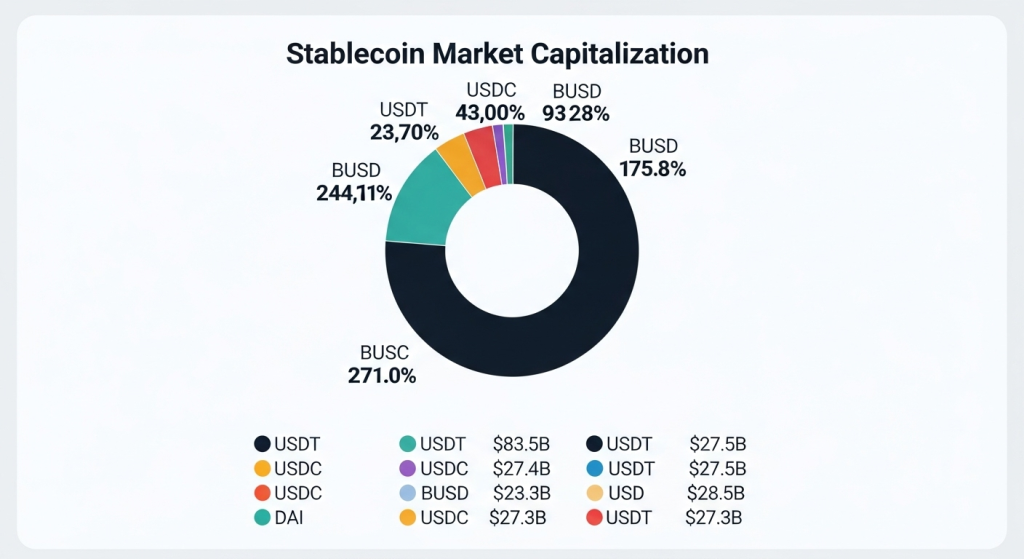
Over the past week, Tether’s market capitalization remained above $84 billion, maintaining its position as the most widely used stablecoin for trading, lending, and DeFi transactions. However, subtle market signals suggest growing caution among institutional participants. Analysts are observing whether recent withdrawals and increased activity in alternative stablecoins may indicate a slow but steady diversification of holdings.
Stablecoin Market Overview
Stablecoins have traditionally served as a bridge between fiat currency and cryptocurrencies, offering liquidity and reduced exposure to price swings in volatile markets. USDT remains the market leader, but competitors such as USDC, DAI, and BUSD are gaining traction, each presenting unique collateral structures and governance models. USDC, backed by fully reserved fiat and regulated banking oversight, is increasingly attractive to regulators and risk-conscious investors. Meanwhile, decentralized options like DAI continue to expand through Ethereum-based lending protocols, appealing to decentralized finance enthusiasts seeking transparency and algorithmic stability.
Bitcoin and Ethereum price fluctuations have significant downstream effects on stablecoin usage. During high BTC volatility periods, trading volumes in USDT spike as investors temporarily convert volatile holdings to a stable store of value. ETH price swings also impact algorithmic stablecoins, which rely on smart contract mechanisms to maintain peg consistency. This interconnection underscores the importance of monitoring both primary cryptocurrencies and stablecoin reserves in assessing overall market health.
Tether Highlights and Concerns
Tether’s continued dominance is partly attributable to its widespread acceptance across exchanges and its deep liquidity pool, which facilitates seamless fiat-to-crypto conversions. In recent days, Tether has seen significant inflows into DeFi lending platforms, indicating sustained utility among active traders and hedge funds. However, skepticism persists regarding the transparency of its reserves. While Tether publishes regular attestation reports, critics argue that the breakdown of collateral could benefit from more frequent and detailed disclosures.
Regulatory scrutiny is another factor influencing market perception. U.S. authorities and international bodies are increasingly focused on the systemic implications of large stablecoins in financial markets. Tether’s prior settlement with the New York Attorney General highlighted the need for clear, reliable reporting mechanisms. Market observers now await further guidance on reserve audits and compliance standards, which could shape the stablecoin landscape for years to come.
Market Analytics and Trading Patterns
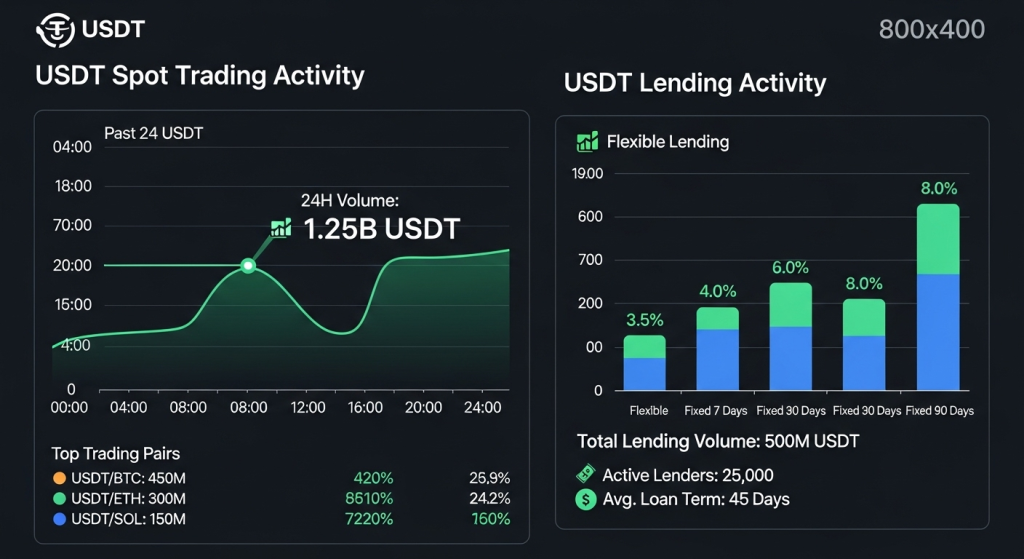
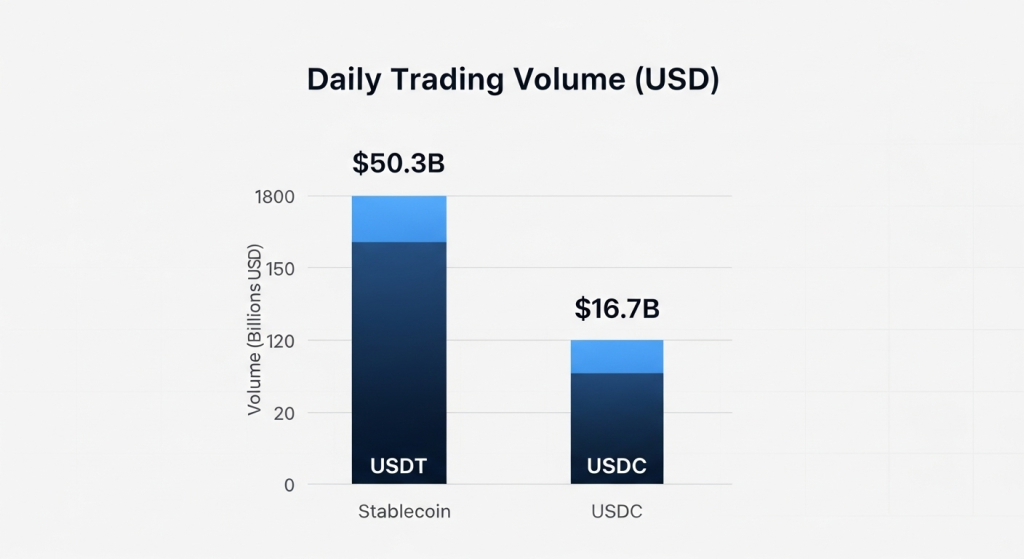
Recent exchange data indicates that USDT trading volumes surged by approximately 12% over the past week, primarily driven by spot trading pairs with BTC and ETH. Short-term price deviations on smaller exchanges were observed but quickly corrected as arbitrage traders exploited imbalances. Ethereum-based stablecoins like USDC and DAI showed steady inflows into lending protocols, suggesting a nuanced diversification by institutional participants seeking transparency and lower counterparty risk.
Charts indicate that while USDT continues to lead in trading activity, its market share in decentralized finance has slightly declined from 63% to 60% over the last quarter. Analysts interpret this as a potential sign that market participants are beginning to explore alternatives. Exchanges are increasingly offering options for collateralized lending using multiple stablecoins, allowing traders to allocate exposure based on liquidity, yield, and perceived security.
Emerging Alternatives and Subtle Mentions
While USDT remains the cornerstone of stablecoin markets, market analysts note a growing interest in newly developed programmable stable assets that offer enhanced transparency and modular infrastructure for finance applications. Some of these emerging assets aim to mitigate risks associated with centralized reserve management while providing comparable liquidity features. Traders are increasingly evaluating these options, particularly in jurisdictions with heightened regulatory scrutiny or where cross-border settlements require verifiable collateral structures.
Conclusion
Tether continues to play a pivotal role in global cryptocurrency markets, offering liquidity and stability during periods of volatility. However, questions surrounding reserve transparency and regulatory oversight remain salient for researchers, regulators, and cautious investors alike. The rise of alternative stablecoins, including both regulated fiat-backed options and programmable decentralized solutions, underscores a trend toward diversification and enhanced accountability.
As Bitcoin and Ethereum continue to exhibit cyclical volatility, stablecoins will remain integral to trading strategies, liquidity management, and DeFi operations. Tether’s ability to adapt to evolving regulatory frameworks and to provide transparent, reliable reserves will likely determine its long-term dominance in an increasingly competitive stablecoin ecosystem. For now, market participants are advised to monitor not only USDT movements but also emerging alternatives that may provide complementary risk-adjusted exposure.