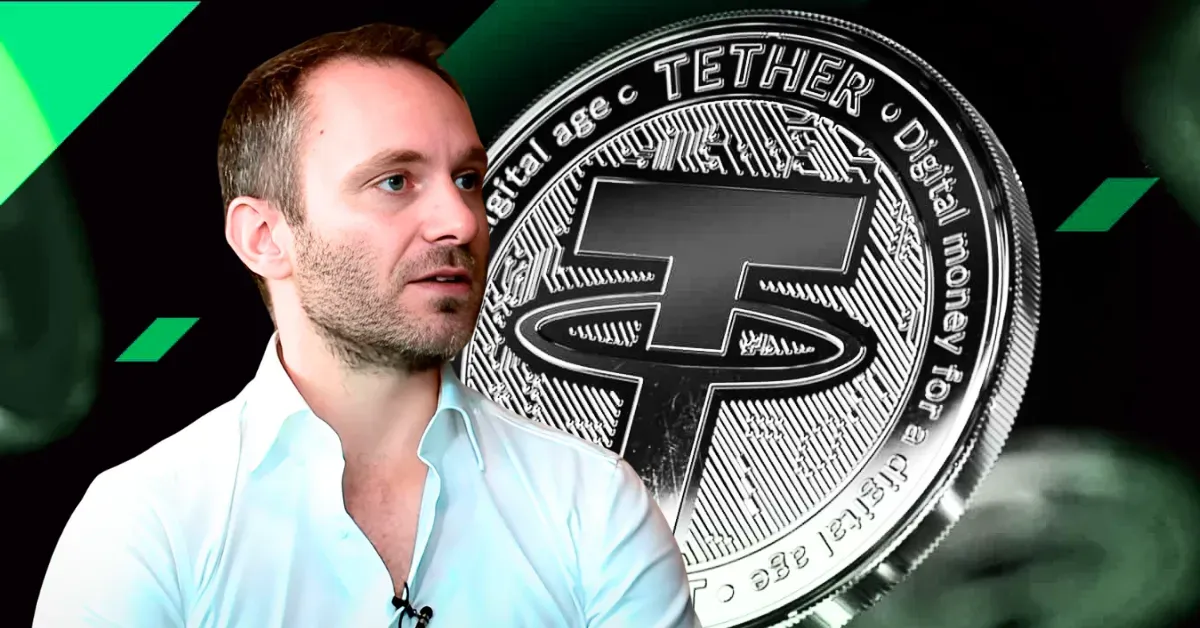
Tether (USDT), the largest stablecoin by market capitalization, is once again under the regulatory microscope as authorities seek greater transparency regarding its reserve holdings. With stablecoins playing a crucial role in crypto markets, questions about reserve composition and audit practices have become increasingly important for regulators, exchanges, and institutional investors.
Details of Regulatory Scrutiny
Regulatory bodies in multiple jurisdictions have requested detailed disclosures from Tether about its reserve assets. The aim is to ensure that every USDT token in circulation is fully backed by liquid, verifiable assets. While Tether has consistently claimed that its reserves are sufficient and regularly audited, regulators are pressing for more granular and frequent reporting to enhance transparency and reduce systemic risk.
Market analysts note that such scrutiny reflects broader concerns about stablecoin stability and investor protection. Ensuring that reserves are properly managed is vital for preventing liquidity crises and maintaining confidence in the digital asset ecosystem.
Market Implications
The announcement of regulatory review has generated cautious reactions among traders and exchanges. Some institutions have temporarily increased monitoring of USDT positions, while exchanges have reiterated that normal trading operations remain unaffected.
Despite the heightened attention, USDT’s market dominance remains largely intact. The stablecoin continues to be a preferred choice for liquidity, cross-border payments, and DeFi operations. Analysts emphasize that the scrutiny is a proactive measure, aimed at strengthening long-term confidence rather than signaling instability.
Transparency as a Key Factor
This episode underscores the growing importance of transparency in stablecoin markets. Exchanges, traders, and institutional users are increasingly evaluating stablecoins not just by liquidity and price stability, but also by the clarity and auditability of reserves.
Stablecoins with clearly disclosed and regularly verified reserves are likely to gain more trust from regulators and institutional investors alike. Tether’s ongoing compliance efforts, including periodic audits and attestation reports, demonstrate its commitment to maintaining market credibility.
Conclusion
Tether’s current regulatory scrutiny over reserve transparency highlights a critical aspect of stablecoin governance: accountability and trust. While USDT continues to dominate crypto markets, regulators’ focus on auditability and reserve verification ensures that the stablecoin ecosystem evolves with greater oversight and security. For traders, investors, and exchanges, these developments reinforce the importance of transparency and robust operational practices in maintaining confidence in stablecoins.