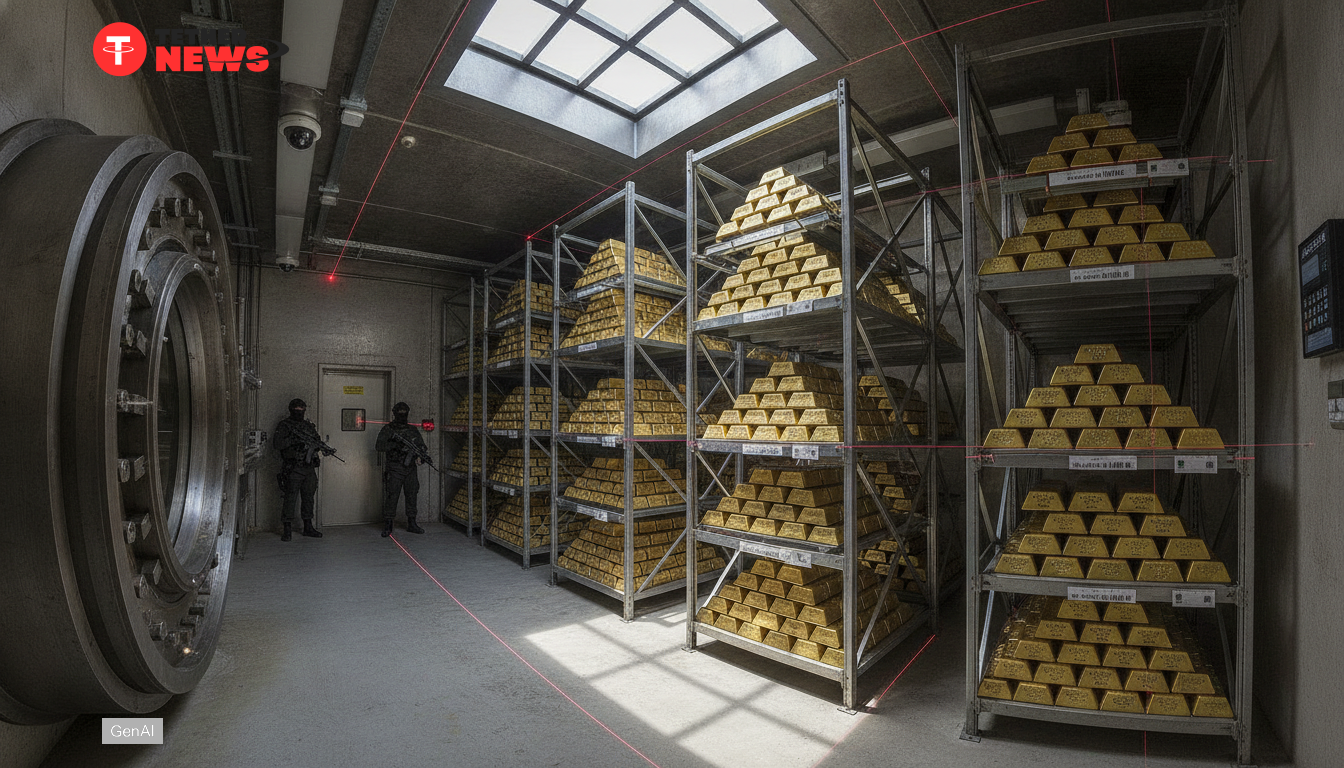
Tether gold reserves increase: what changed in Q2
According to available reports from Tether, it allegedly increased its bullion position in the second quarter by adding 14 tons of gold, based on the company’s stated Q2 disclosures. This move may adjust the composition of collateral behind USDT while keeping the token pegged to the U.S. dollar. The main takeaway is that gold is being presented as a larger share of the reserve mix alongside cash equivalents and short dated government paper, as indicated by Tether’s descriptions. Because stablecoins are valued on redemption confidence, changes in the reserve basket can shape how markets interpret risk controls and liquidity planning. For readers tracking Tether gold reserves, the 14-ton figure provides a specific reference point to compare with future attestations and quarterly updates, assuming subsequent reports use consistent categories.
How the gold reserves fit into USDT backing
Reserve composition tends to matter more for credibility than for short term price movement, because a stablecoin aims to maintain parity. For broader context on stablecoin rails and institutional adoption, see Stablecoin Platform Visa Launch: Aptos, BlackRock. A larger bullion allocation can be understood as diversification, but it also invites questions about custody, valuation methodology, and how quickly assets can be mobilized during heavy redemptions. Related coverage on tokenized cash products at large asset managers is available at CoinDesk, including BlackRock expands tokenized cash with new blockchain-based money market offerings. In practice, confidence still depends on reporting quality and verifiable collateral, not simply the headline mix.
Comparing reserve strategies with rival stablecoin models
Competitor comparisons often focus on liquidity, disclosure frequency, and the proportion held in cash, Treasuries, and other instruments. For background figures and how categories are presented, see Tether Stablecoin Reserves: Gold Holdings and USDT. The reported 14-ton addition is notable in Tether’s narrative because few major issuers emphasize meaningful bullion exposure as part of their reserve stack, based on public reserve summaries. That difference can influence how users evaluate resilience, especially when market stress tests redemption demand. In these comparisons, Tether gold reserves can stand out as a differentiator even if redemptions ultimately settle through fiat rails, and additional context on Q2 performance and reported gold totals is covered in Tether Q2 Profit: $1.5B Gains and 146 Tons of Gold.
Regulatory scrutiny and disclosures tied to bullion holdings
Regulators typically focus less on headlines and more on whether reserves are auditable, properly custodied, and available to meet redemptions under pressure, as reflected in common supervisory discussions around stablecoin oversight. A larger bullion position puts more weight on questions such as where gold is stored, what third parties are involved, and how valuation is marked. CoinDesk has outlined potential downside scenarios tied to legislative progress, including Bernstein sees another leg lower for crypto markets if Clarity Act stalls. Policy risk remains a live variable as lawmakers debate frameworks that could reshape stablecoin collateral rules, reporting standards, and permissible assets. Any tightening requirements could affect how issuers describe reserve strategies and verify holdings.
What to watch next for Tether gold reserves and USDT
Going forward, the key signal will be whether later attestations show continued accumulation, a plateau, or a shift back toward more liquid instruments such as short term Treasuries, based on whatever categories Tether reports in future updates. For further reading on profitability and how Treasuries can lift results alongside reserve positioning, see Tether Q2 earnings hit $1.5B as Treasuries lift profit, and Tether gold reserves may appeal to users seeking diversification within a dollar pegged product, but credibility will be driven by documentation and operational performance during stress events. The 14-ton Q2 change is meaningful mainly because it is measurable and comparable across reporting periods, not because it necessarily changes USDT’s peg mechanics in day-to-day trading.