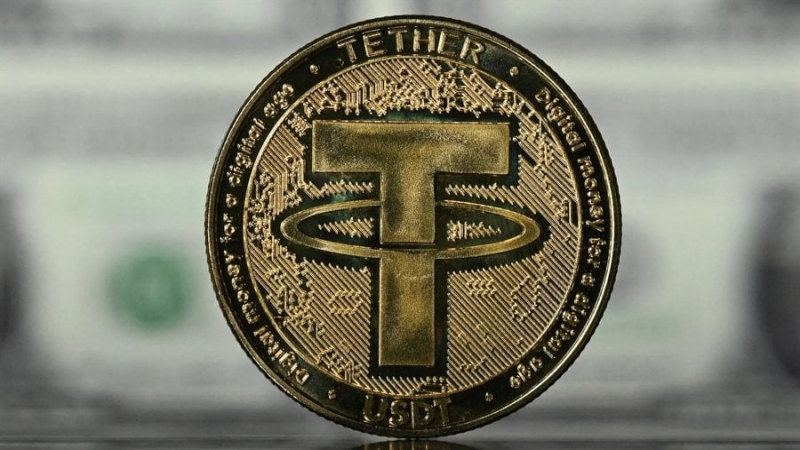
Tether has backed a new infrastructure project aimed at integrating its USDT stablecoin directly into the Bitcoin ecosystem, signaling another step toward expanding stablecoin functionality across major blockchain networks. The initiative comes after startup Utexo raised 7.5 million dollars in a seed funding round led by Tether alongside several digital asset investment firms. The project is focused on enabling native USDT settlements on the Bitcoin blockchain by using specialized payment channels built on the Lightning Network. Supporters say the technology could strengthen Bitcoin’s role as a global settlement layer while allowing stablecoin payments to move faster and more efficiently across decentralized networks.
The funding round attracted participation from several major investment firms and financial institutions, highlighting growing institutional interest in infrastructure that connects stablecoins with Bitcoin based payment systems. Utexo is developing proprietary Lightning Network channels that allow users to send and receive USDT while maintaining fixed transaction costs and extremely fast settlement speeds. According to the developers transactions can be completed in less than a second while remaining consistent with Bitcoin’s underlying security architecture. This approach aims to combine the stability of dollar linked digital assets with the reliability of the Bitcoin network.
Developers say the system is designed to ensure privacy and security during transactions. Instead of publishing full transaction details on the public blockchain the platform records only encrypted information related to transfers. This structure allows participants to complete payments while protecting sensitive data about transaction flows and wallet identities. The system also processes transfers atomically which means the transaction is completed fully or not at all, preventing partial execution or settlement errors. Supporters believe these features could make the system attractive for global payments and financial settlements.
Tether leadership has emphasized that Bitcoin remains a key part of the company’s long term strategy for expanding USDT adoption. Executives believe that combining stablecoins with Bitcoin’s decentralized network can strengthen open financial infrastructure capable of supporting global digital payments. By enabling stablecoin transactions directly within the Bitcoin ecosystem the project aims to expand use cases for both assets and support faster value transfers across borders. The company has repeatedly highlighted the importance of resilient blockchain infrastructure for global financial settlement systems.
The developers behind Utexo believe the integration could also encourage broader adoption of Bitcoin based applications. According to the project team the combination of wallets that support the technology and USDT based payment rails could help expand the user base of both assets. By connecting the liquidity of the world’s largest stablecoin with the security and reach of the Bitcoin network the platform aims to create a scalable system for digital payments that operates independently of traditional banking infrastructure.
Tether’s investment in the project reflects the company’s broader strategy of funding blockchain infrastructure and financial technology initiatives. The stablecoin issuer has generated significant profits in recent years and has increasingly used those funds to invest in emerging blockchain projects. In addition to supporting payment infrastructure the company has recently participated in several strategic investments related to digital asset interoperability, decentralized trading platforms and online technology marketplaces as it expands its influence across the broader crypto ecosystem.
Industry observers say the Utexo initiative highlights a growing trend in which stablecoin issuers are looking beyond traditional blockchain networks to integrate their tokens with different payment layers. As demand for faster and cheaper digital payments continues to increase projects that combine stablecoins with scalable blockchain networks may play a larger role in shaping the future of global financial infrastructure and digital asset adoption.