Tether USDT fuel payment pilot in El Salvador
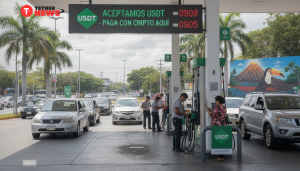
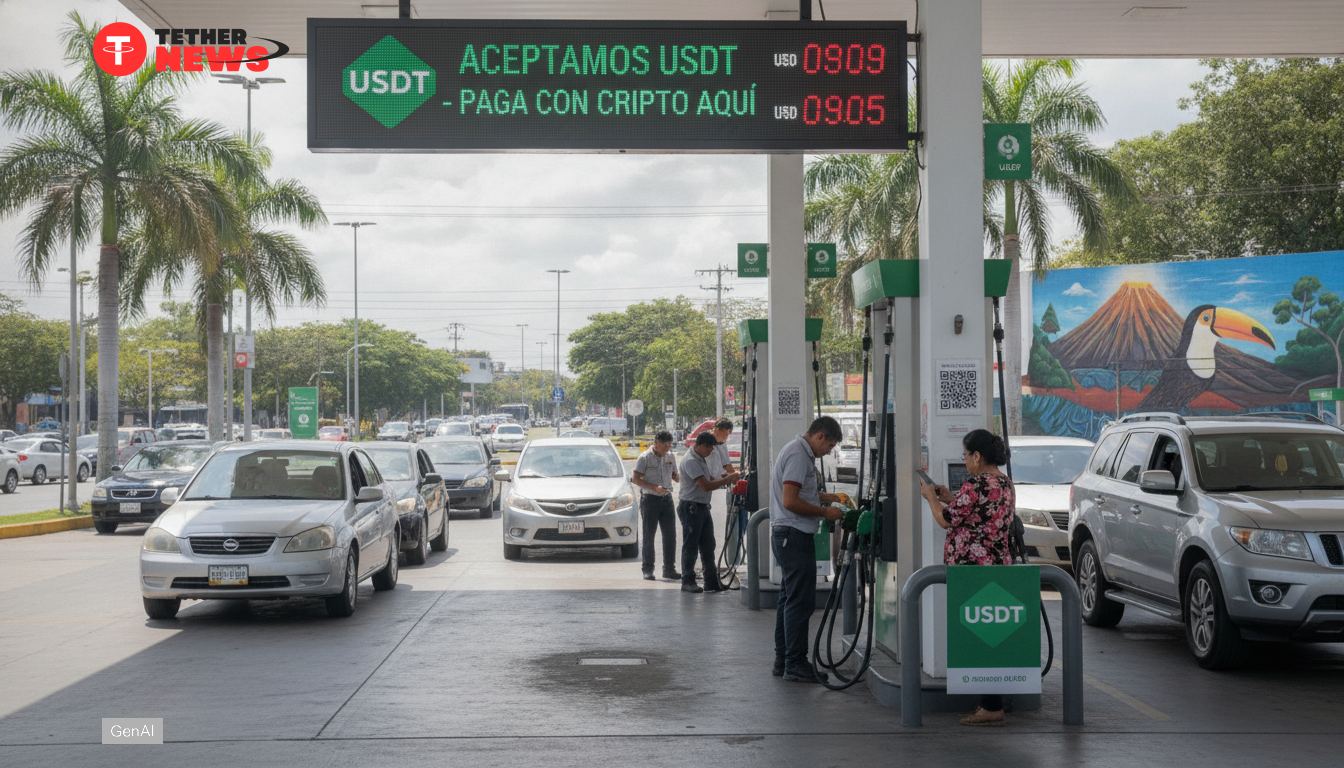
According to available reports, Tether USDT is being tested for fuel payments in El Salvador. This positions the stablecoin for everyday retail settlement instead of primarily exchange trading. The pilot is reportedly targeting a high-frequency purchase category where payment speed, confirmation, and reconciliation matter at every transaction. Tether has not published the merchant partners or transaction volumes, so the scope of any USDT fuel-payments test in El Salvador remains unclear. For consumers and station operators, the key questions concern settlement speed, reliable conversions into local rails, and the practicality of compliance checks at the point of sale.
Why El Salvador matters for stablecoin merchant rails
The El Salvador rollout matters because it frames stablecoin payments as day-to-day merchant infrastructure rather than back-end crypto market plumbing. Fuel pricing volatility can tighten working capital needs for distributors and station operators, making settlement timing and fees more visible than in speculative trading. For context on energy price pressure, see https://usdobserver.com/global-oil-market-brent-hits-100-on-conflict-risk/, and for a related view on how payments are shifting beyond fixed banking hours, CoinDesk reported on the fading 9-to-5 banking day: https://www.coindesk.com/markets/2026/07/29/morgan-stanley-execs-admit-the-traditional-9-to-5-banking-day-is-officially-dying. Settlement timing, fees, and uptime are operational variables that become visible when payment rails are tested in a high-frequency category.
How USDT settlement could work at fuel checkout
At the counter, USDT can function as a dollar-denominated settlement instrument that moves value continuously. This could potentially reduce card processing delays or cross-border frictions for import-dependent fuel supply chains. The practical impact depends on liquidity, wallet uptime, conversion spreads, and whether merchants can reconcile receipts cleanly for accounting and tax reporting. Readers tracking how Tether USDT expands across networks can compare the approach with its multi-chain strategy: https://tethernews.com/tether-omnichain-stablecoin-usdt0-launch-explained/. Additional market context around stablecoin activity shifts can be seen at https://tethernews.com/stablecoin-market-shift-usdc-overtakes-usdt-activity/. A related portal read is https://stable100.com/stablecoin-regulation-hits-binance-app-listings-under-mica/, which helps frame how reporting and listing rules can influence checkout adoption.
Operational risks: disputes, compliance, and pricing
Fuel payments introduce constraints that differ from crypto trading. These include refunds, disputed transactions, and merchant chargeback expectations that must be handled without breaking bookkeeping rules. For day-to-day users, the tracked variable is less intraday price movement and more redemption confidence, cash-out speed, and whether balances can be converted into local banking rails on demand. For merchants, the risk window sits between sale, reconciliation, and supplier payment when liquidity and peg mechanics become tangible for stablecoin settlement. On scaling and infrastructure hurdles across issuers and integrators, CoinDesk cited a protocol effort aimed at removing a major bottleneck: https://www.coindesk.com/business/2026/07/29/stablecoin-firm-brale-says-new-protocol-can-remove-a-major-hurdle-to-scaling-custom-tokens. In El Salvador, these constraints appear at the pump in routine edge cases like partial fills, reversals, and receipt matching.
What could come next if the pilot scales
If the reported El Salvador fuel use case proves workable, expansion into logistics services, wholesale inputs, or cross-border supplier settlement becomes more plausible. In that path, Tether USDT would potentially compete with card networks, local instant-payment schemes, and bank transfers on uptime, fees, and integration effort. Broader rollout will likely be shaped by jurisdictional rules on digital-asset payments, consumer protection standards, and merchant reporting obligations that vary sharply across markets. To gain confidence with larger distributors and regulated payment facilitators, clearer disclosures around onboarding, monitoring, and resolution processes would likely be needed. The pilot signals intent, but adoption depends on measurable reliability in high-frequency commerce.