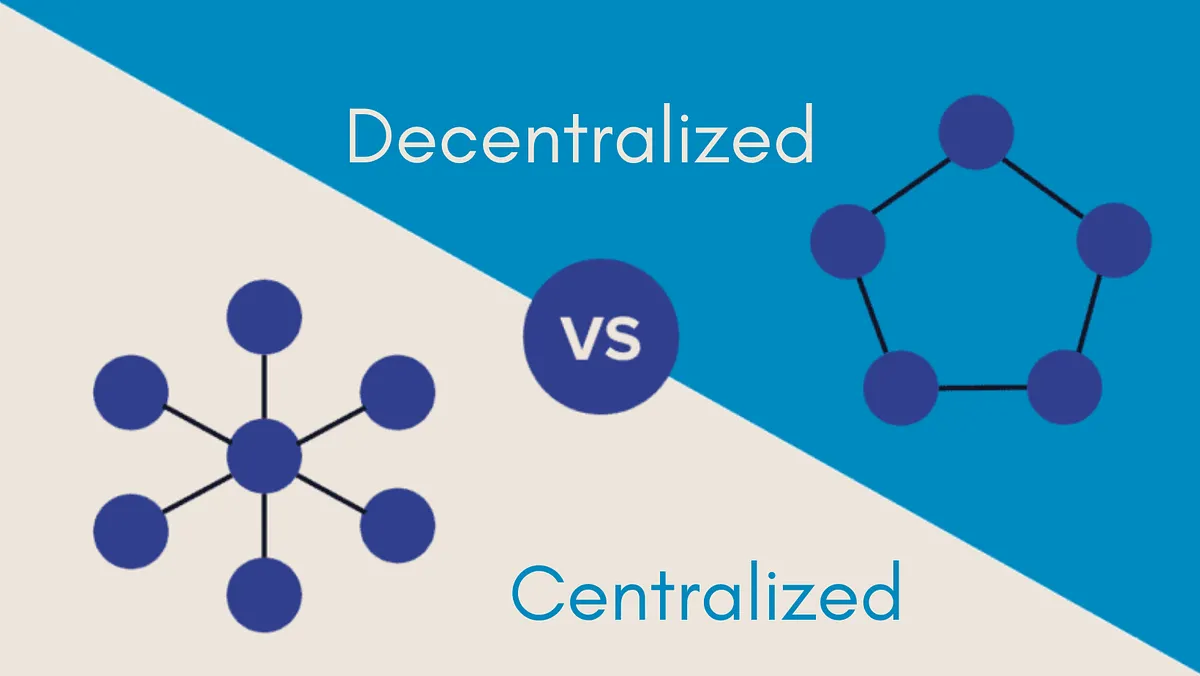
Comparing the world’s largest stablecoin with the leading decentralized alternative.
Two Competing Models
Stablecoins have become the backbone of digital finance, but they are not all built the same way. Tether (USDT) represents the centralized model, backed by reserves managed by a private issuer. DAI represents the decentralized model, backed by overcollateralized crypto assets and governed by the MakerDAO community. Both aim to maintain a one-to-one peg with the U.S. dollar, but their approaches reflect very different philosophies.
Tether’s Centralized Scale
Tether dominates global stablecoin markets with circulation above one hundred twenty billion dollars. It is integrated into nearly every exchange, widely used in decentralized finance, and a preferred currency in emerging markets.
Its strength lies in scale and liquidity. Traders rely on USDT because it is always available, highly liquid, and easy to move across chains. Supporters argue that this dominance proves its resilience and utility.
DAI’s Decentralized Design
DAI takes a different path. It is issued by smart contracts on the Ethereum blockchain and backed by a mix of crypto collateral, including Ethereum and USDC. Governance decisions are made by the MakerDAO community, making it one of the most decentralized stablecoins in existence.
This design appeals to users who value transparency and independence from centralized issuers. Because collateral is visible on-chain, DAI offers a level of openness that centralized stablecoins cannot match.
Supporters of Tether
Supporters of Tether emphasize practical utility. They argue that scale matters more than design. For them, USDT’s global adoption proves that liquidity is the ultimate measure of trust. Billions in redemptions have been processed without breaking the peg, reinforcing its credibility.
They also highlight accessibility. Tether’s availability on multiple blockchains and exchanges makes it easy for users worldwide, from institutions to retail traders, to integrate into their activities.
Supporters of DAI
Supporters of DAI argue that decentralization is the future of finance. They see Tether’s reliance on private issuers and opaque reserves as weaknesses. By contrast, DAI’s open and community-driven system reduces reliance on trust in a single company.
They also point out that DAI aligns with the ethos of crypto by maintaining independence from traditional financial institutions. For them, decentralization is not only safer but also more sustainable in the long run.
Skeptics of Both Models
Skeptics note weaknesses on each side. They argue that Tether’s lack of independent audits leaves questions about reserves. They also caution that DAI’s dependence on centralized assets such as USDC undermines its claim to full decentralization.
From this perspective, neither model is perfect. Tether offers scale but limited transparency, while DAI offers transparency but limited liquidity.
Impact on DeFi
In decentralized finance, both USDT and DAI play important roles. Tether provides deep liquidity for trading and collateral, while DAI supports decentralized lending and governance models. Many protocols integrate both, reflecting the trade-offs between scale and decentralization.
The coexistence of USDT and DAI highlights the diversity of stablecoin demand. Some users prioritize efficiency and liquidity, while others prioritize independence and transparency.
Regulatory Perspectives
Regulators view the two models differently. Tether draws scrutiny because of its offshore structure and limited disclosures. DAI, being decentralized, raises questions about accountability. Policymakers ask who can be held responsible if problems arise in a system governed by a global community.
This contrast shows the difficulty of applying traditional frameworks to new financial models. Both centralized and decentralized approaches face unique regulatory challenges.
Future Outlook
The future may involve greater convergence between these models. Tether may adopt more transparency to satisfy regulators and institutions. DAI may diversify its collateral to reduce dependence on centralized assets. Both may continue to coexist, serving different user needs.
Some analysts believe that stablecoins will evolve toward hybrid systems that combine scale with transparency. Others suggest that central bank digital currencies may eventually replace both models.
Conclusion
Tether and DAI represent two competing visions of stablecoins. One emphasizes centralized scale and liquidity, the other decentralized transparency and governance. Supporters of each see their model as superior, but skeptics highlight the trade-offs.
For now, USDT dominates through size and accessibility, while DAI offers an alternative rooted in the ideals of decentralization. The stablecoin market’s diversity reflects the fact that users want both. The balance between centralized scale and decentralized ideals will shape the next chapter of digital finance.