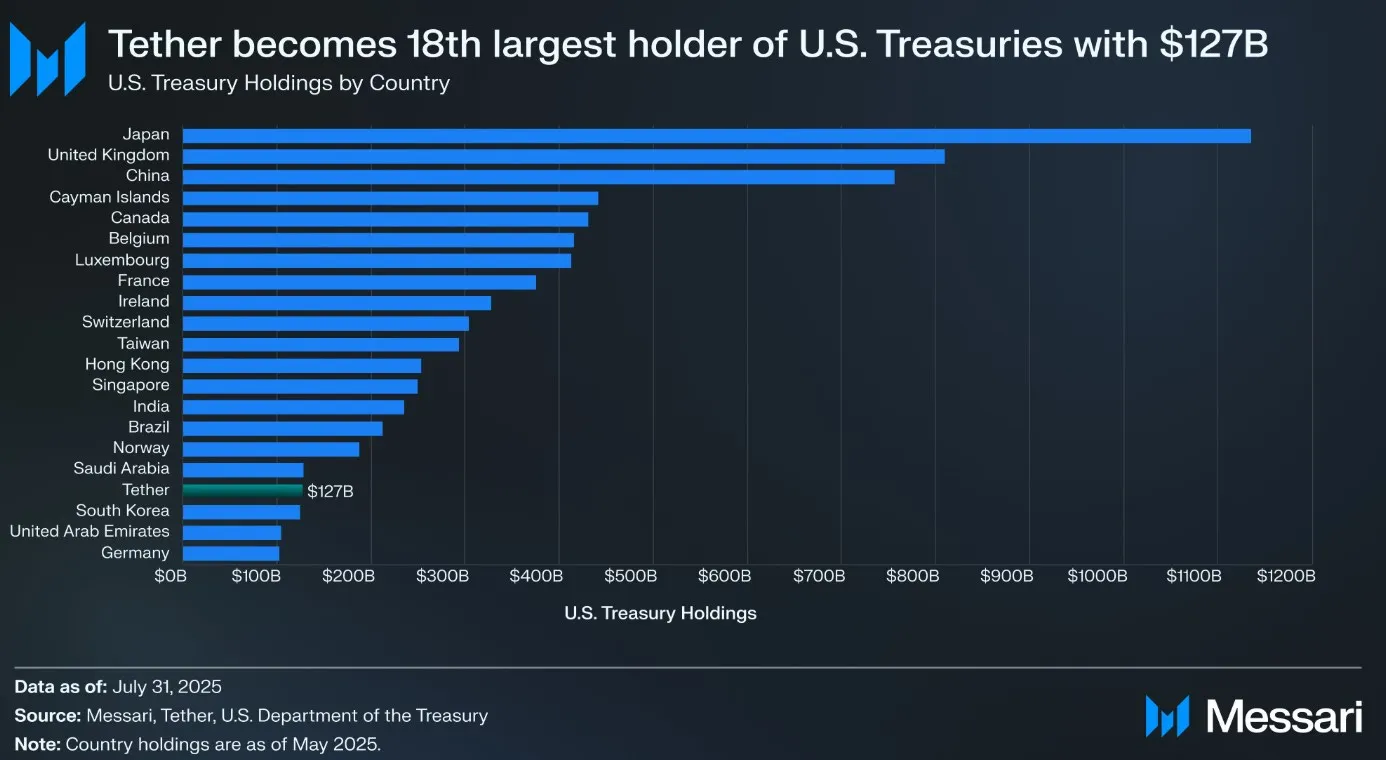
Tether, the issuer of the world’s most widely used stablecoin USDT, has undergone a remarkable evolution in its approach to compliance and regulatory engagement. From facing criticism and skepticism over its reserve transparency to establishing cooperative relationships with global financial authorities, Tether’s journey illustrates the growing intersection of cryptocurrency markets and regulatory oversight.
Understanding this evolution is essential for investors, traders, and institutions, as it highlights how stablecoin issuers can navigate regulatory scrutiny while maintaining market dominance and user trust.
Early Controversies and Market Skepticism
When USDT first gained popularity, concerns about Tether’s reserve backing and transparency quickly emerged. Critics questioned whether each USDT token was fully collateralized by U.S. dollars or equivalent assets. The company faced scrutiny from regulators and market analysts, and rumors of depegging events created volatility in crypto markets.
This period of controversy underscored the risks associated with unregulated or minimally regulated stablecoins. Traders, exchanges, and investors were cautious, recognizing that market confidence in Tether depended on the credibility of its reserve management practices.
Initiatives Toward Transparency
In response to criticism, Tether implemented several initiatives to enhance transparency. The company began publishing regular reserve attestations, detailing the composition of assets backing USDT. These reports include information about cash holdings, U.S. Treasuries, and other approved financial instruments, providing stakeholders with verifiable insights into Tether’s financial health.
By proactively disclosing reserve details, Tether aimed to rebuild trust among investors, exchanges, and institutional participants. Transparency became a cornerstone of Tether’s strategy, signaling that the company was committed to operating responsibly within the crypto ecosystem.
Collaboration with Global Regulators
Tether’s compliance evolution gained momentum as it began engaging with regulators across the United States, Europe, and Asia. The company has participated in hearings, submitted detailed reports, and cooperated with inquiries regarding stablecoin operations.
These collaborations demonstrate Tether’s shift from defensive posturing to proactive regulatory engagement. By working alongside authorities, Tether seeks to shape industry standards, clarify operational practices, and ensure that USDT remains a reliable and legally compliant digital asset.
Market Impact of Compliance Measures
The evolution of Tether’s compliance practices has had significant effects on market dynamics. Improved transparency and regulatory cooperation have bolstered investor confidence, resulting in greater institutional adoption and stable usage across exchanges.
Traders now view USDT as a dependable medium of exchange and a safe haven during periods of market volatility. Exchanges and DeFi platforms benefit from the stability and credibility of Tether, which underpins liquidity pools, lending protocols, and trading pairs across cryptocurrency markets.
Challenges and Ongoing Regulatory Scrutiny
Despite progress, Tether continues to face scrutiny from regulators concerned with financial stability, reserve adequacy, and systemic risk. The global regulatory landscape is evolving, with authorities emphasizing reserve audits, compliance reporting, and risk mitigation measures.
Tether’s challenge is to balance operational flexibility with regulatory expectations, ensuring that USDT remains fully collateralized, transparent, and compliant while supporting large-scale market operations.
Future Outlook
Looking ahead, Tether is likely to continue refining its compliance frameworks, exploring additional audits, and expanding collaboration with regulators worldwide. This ongoing evolution positions Tether as a model for other stablecoin issuers seeking legitimacy and market trust.
As global regulators establish clearer standards for stablecoins, Tether’s proactive approach may help shape the regulatory environment, fostering stability and transparency across the cryptocurrency ecosystem.
Conclusion
Tether’s journey from controversy to regulatory cooperation highlights the critical importance of transparency, reserve management, and proactive engagement in the stablecoin market. By addressing early skepticism and working closely with global authorities, Tether has strengthened USDT’s credibility, ensured market stability, and fostered investor confidence.
The company’s compliance evolution serves as a blueprint for how stablecoin issuers can navigate complex regulatory landscapes while maintaining operational excellence and supporting the growth of digital finance worldwide.