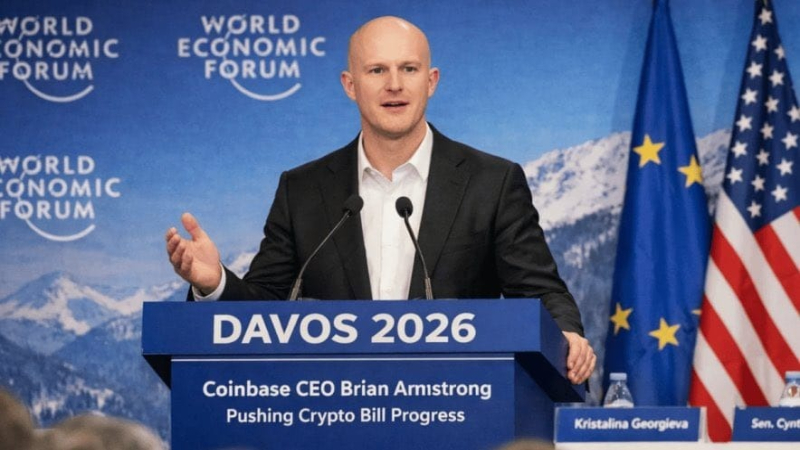
Tokenization moved beyond theory at the World Economic Forum in Davos, emerging as a practical discussion point across panels focused on money, capital markets, and financial infrastructure. Conversations around tokenized money, including stablecoins and blockchain based recordkeeping for securities, reflected growing recognition that digital representations of assets are becoming part of mainstream finance. Participants highlighted use cases ranging from digitization and fractional ownership to faster settlement and improved market access. At the same time, speakers repeatedly stressed that technology alone is not sufficient, with value depending on whether tokenization improves efficiency, transparency, or accessibility for end users. Despite the momentum, the consensus in Davos was that tokenization remains constrained by unresolved issues such as fragmented regulation, limited liquidity, jurisdictional barriers, and the absence of consistent market structure across regions.
Regulatory clarity was a central theme, particularly in the context of the United States. Recent guidance from the Securities and Exchange Commission reinforced that tokenization changes the format of an asset, not its legal status, keeping tokenized securities firmly within existing securities law. However, panelists noted that other forms of tokenized financial instruments, including tokenized deposits, fall under the authority of different regulators, creating gaps and overlaps that complicate adoption. Lawmakers have attempted to address some of these issues through market structure legislation, but progress has been uneven, leaving uncertainty around how tokenization will be treated across asset classes. The regulatory contrast was evident when compared with jurisdictions that have taken a more coordinated approach, positioning themselves as early hubs for tokenized finance through clearer frameworks and regulatory engagement.
Emerging markets featured prominently in Davos discussions as real world examples of tokenization’s potential impact. Countries in Africa, Latin America, and the Middle East showcased how digital finance and stablecoins are already improving cross border payments and financial access. Industry leaders described how blockchain based money movement can reduce settlement times from days to seconds, particularly in regions underserved by traditional banking rails. These developments highlight why tokenization resonates strongly in the Global South, where financial infrastructure gaps remain significant. While global interest continues to grow, the message from Davos was clear: tokenization is no longer hypothetical, but its long term success will depend on regulatory clarity, interoperable market structures, and a focus on solving tangible economic problems rather than deploying technology for its own sake.