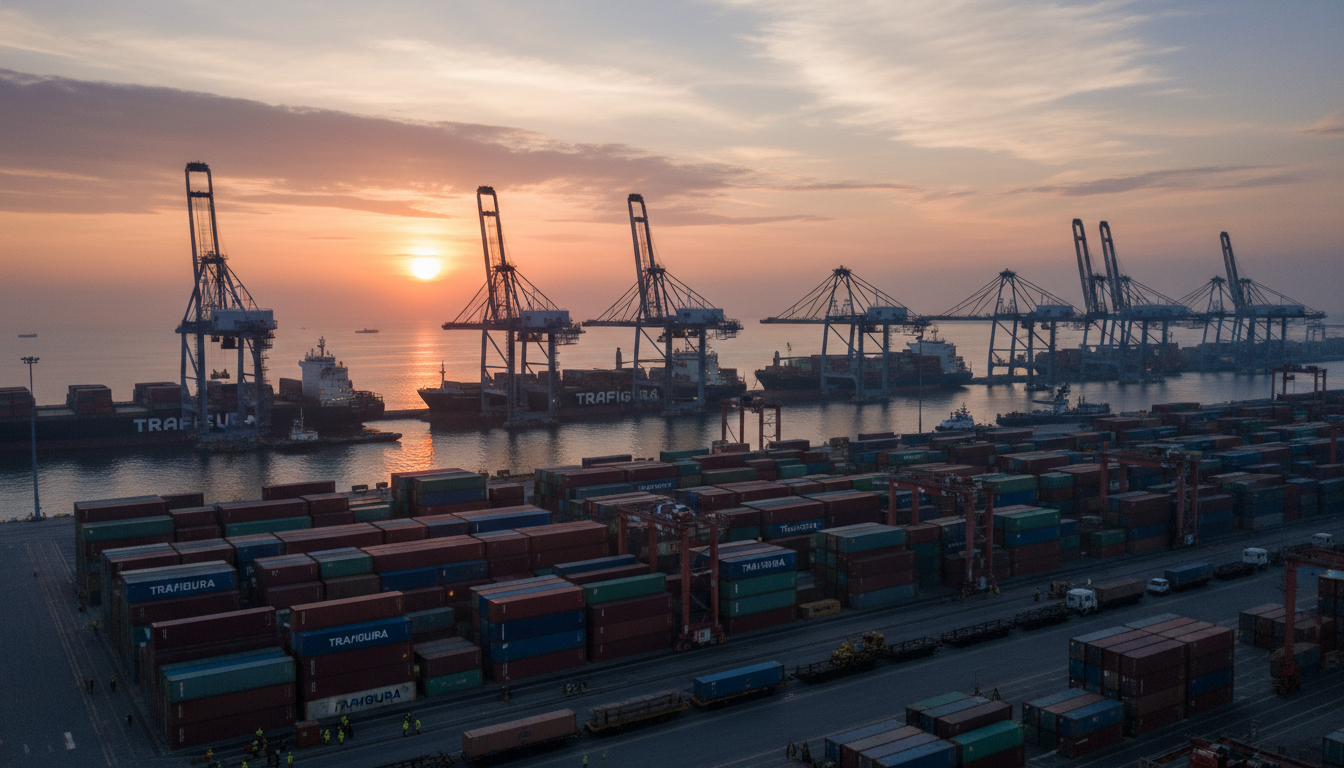
Trafigura’s Strategic Alliance with Tether
Trafigura is moving to trial stablecoin settlement alongside conventional banking rails, positioning digital dollars as a tool for faster commodity payments. Today, market participants are watching how the trader structures workflows that still meet sanctions, KYC, and counterparty risk policies. In the middle of those preparations, Trafigura is evaluating Tether-issued USDT for selected flows where intraday funding costs matter. The company has not published volumes or corridors, and any operational details remain tightly scoped. Live conversations among banks, insurers, and clearing agents now center on whether stablecoins can reduce settlement friction without weakening controls. The first tests also put a spotlight on how traders document ownership, payment finality, and reconciliation across systems.
Potential Impacts on the Commodities Market
If the pilot scales, the immediate effect could be tighter timing between invoice, payment, and title transfer, which can matter when cargoes change hands quickly. An Update from desks in energy and metals has emphasized that settlement speed can lower exposure to price swings and reduce working capital locked in transit. The link between macro volatility and payment preferences is also in focus, as described in Petrol Prices Jump as Iran Conflict Shakes Markets in the middle of ongoing coverage. For regulatory context, CoinDesk detailed U.S. policy debate in Senator Warren critique of crypto bank approvals. Live trading desks will judge the idea by operational uptime, dispute handling, and whether counterparties accept the same settlement terms across jurisdictions.
Advancements in Stablecoin Adoption
Stablecoin usage in cross border payments is already being integrated into corporate processes, and commodity trading is now testing similar mechanics for large value transfers. Today, treasury teams are mapping where programmable settlement can reduce manual steps, especially when different banks observe different cutoffs. In the middle of this shift, Tether is being discussed as a liquidity layer because USDT is widely distributed across exchanges and wallets used by trading intermediaries. Internal market education has also drawn on examples outside commodities, including KB Financial Group stablecoin pilot hits offline pay as a reference point for how payments can work under constrained connectivity. Another Update many compliance teams seek is how stablecoin providers document reserves, redemption, and wallet screening at enterprise scale.
Challenges and Considerations in USDT Use
Using USDT for commodity settlement introduces a different risk profile than bank transfers, even when the commercial contract stays the same. Live implementation details include wallet governance, segregation of duties, key management, and what happens if a counterparty cannot receive funds due to exchange or custodian restrictions. In the middle of operational planning, Tether related controls often focus on address screening and audit trails, since traders must show who paid, when, and under what authority. Legal teams also need clarity on dispute resolution, applicable law, and whether payment finality is recognized the same way across courts. An Update from risk committees is that any rollout must align with insurers and lenders that finance cargoes, because loan covenants can specify acceptable payment methods.
Future Directions for Tether in Global Commodities
The next phase for the industry is whether stablecoin settlement remains a niche tool for specific routes or becomes a broader feature of trade finance platforms. Today, large traders and their banks are likely to test tokenized workflows that integrate invoicing, collateral, and payment confirmation in near real time, including during 2026 budget cycles. In the middle of that roadmap, Tether could benefit if counterparties prefer a familiar stablecoin rather than building fragmented closed loop systems. Policy direction will also matter, since rules on custody, reporting, and capital treatment can make adoption easier or harder for regulated firms. Live monitoring will focus on how pilots handle outages, reversals, and compliance escalations without delaying cargo release. The strongest signal of durability will be repeat usage that survives volatile markets and routine audits.