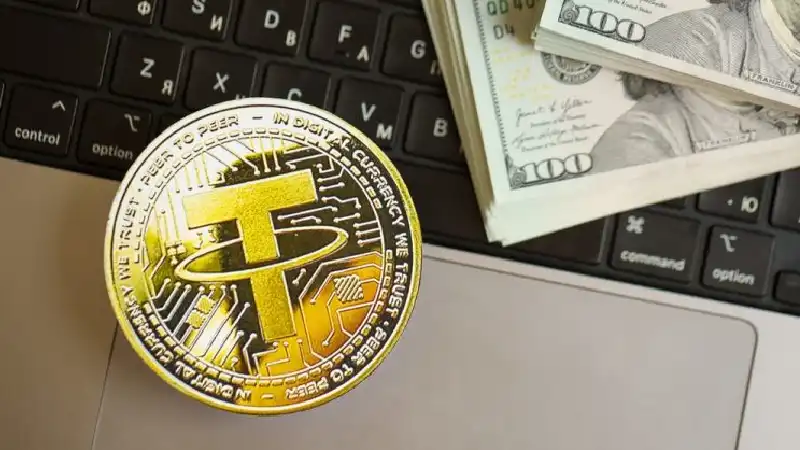
Stablecoins have become a fundamental component of global cryptocurrency markets, providing traders and institutions with a digital representation of fiat currency that can move quickly across blockchain networks. As adoption has expanded, the focus of regulators and market participants has increasingly shifted toward the assets that support these tokens. In 2026, one of the most significant trends shaping stablecoin credibility is the growing reliance on reserves backed by short term U.S. Treasury securities. This development is gradually redefining how analysts assess the risk profile of stablecoin issuers and how policymakers evaluate the stability of digital dollar systems.
Treasury Backed Reserves Strengthen Stability Frameworks
Treasury securities issued by the United States government are widely regarded as some of the most liquid and reliable financial instruments in global markets. Because these securities can be easily traded and converted into cash, they provide a strong foundation for assets that promise redemption at a fixed value. Stablecoin issuers increasingly rely on short duration Treasury bills as a primary component of their reserve structures.
This shift reflects the need for high quality liquid assets capable of supporting large scale redemption requests. When users convert stablecoins back into traditional currency, issuers must provide funds quickly without creating instability in reserve portfolios. Treasury backed reserves allow issuers to meet these redemption demands efficiently because government securities can be sold rapidly in global financial markets.
The move toward Treasury based reserves also improves transparency. Government securities have clear pricing benchmarks and established trading markets, which makes it easier for analysts and regulators to evaluate the composition and liquidity of stablecoin reserves.
Evolution of Reserve Composition
In the early stages of stablecoin development, reserve portfolios sometimes included a broader range of financial instruments such as commercial paper or other short term credit assets. While these assets could generate returns, they also introduced additional credit risk and complexity. Over time, stablecoin issuers began simplifying their reserve structures to improve confidence among users and regulators.
The growing allocation to Treasury securities reflects this evolution. By holding assets with minimal credit risk and strong liquidity characteristics, issuers demonstrate a commitment to maintaining stability during periods of market stress. This transition has become particularly important as stablecoins have expanded beyond retail trading into institutional and cross border payment use cases.
As circulation grows, the reliability of reserve assets becomes even more important. Stablecoins that support billions of dollars in trading activity must maintain reserves capable of handling sudden shifts in demand. Treasury backed reserves help ensure that redemption obligations can be fulfilled without significant disruption.
Macroeconomic Context in 2026
The broader macroeconomic environment has also influenced the increasing use of Treasury securities in stablecoin reserves. Higher global interest rates have made short term government debt more attractive as an investment. Treasury bills now generate measurable returns while maintaining strong liquidity characteristics.
For stablecoin issuers managing large reserve pools, this environment offers a practical balance between stability and income generation. Reserve portfolios backed by Treasury securities can earn interest while still maintaining the liquidity necessary to support redemption requests. This dynamic has reinforced the trend toward Treasury based reserve strategies across the stablecoin sector.
At the same time, policymakers have emphasized the importance of reserve quality as digital asset markets mature. Authorities want to ensure that stablecoins maintain assets capable of supporting their peg even during financial turbulence. Treasury backed reserves align closely with these regulatory expectations because they represent highly secure government obligations.
Implications for Market Confidence
Reserve transparency and asset quality have become central to how stablecoins are evaluated by traders and institutional investors. Tokens supported by highly liquid government securities tend to inspire greater confidence because users understand that reserves can be mobilized quickly if necessary.
For widely used stablecoins such as USDT, reserve composition plays a crucial role in maintaining market trust. As stablecoins serve as settlement assets across exchanges and decentralized finance platforms, the stability of their backing assets becomes an important factor in the overall health of digital markets.
The increasing use of Treasury backed reserves also reflects the maturation of the stablecoin sector. Issuers are adapting their strategies to align with the expectations of regulators, institutional investors and global financial markets. By emphasizing highly liquid assets, they strengthen the reliability of the infrastructure that supports digital trading activity.
Future Regulatory Considerations
Regulatory frameworks for stablecoins continue to evolve across major financial jurisdictions. Policymakers are exploring requirements related to reserve transparency, redemption rights and liquidity management. As these rules develop, reserve structures backed by government securities may become a widely accepted standard for stablecoin stability.
Stablecoin issuers that adopt conservative reserve strategies are likely to find it easier to operate within emerging regulatory frameworks. Transparent reporting and high quality liquid assets help demonstrate that stablecoins can function as reliable digital representations of fiat currency rather than speculative instruments.
These developments suggest that the future of stablecoins will depend not only on technological innovation but also on the strength of the financial assets supporting them. Treasury backed reserves therefore represent an important bridge between digital asset markets and traditional financial stability standards.
Conclusion
The increasing use of U.S. Treasury securities in stablecoin reserves is redefining risk standards for issuers, reinforcing liquidity strength, improving transparency and strengthening confidence in the digital dollar infrastructure that supports global cryptocurrency markets.