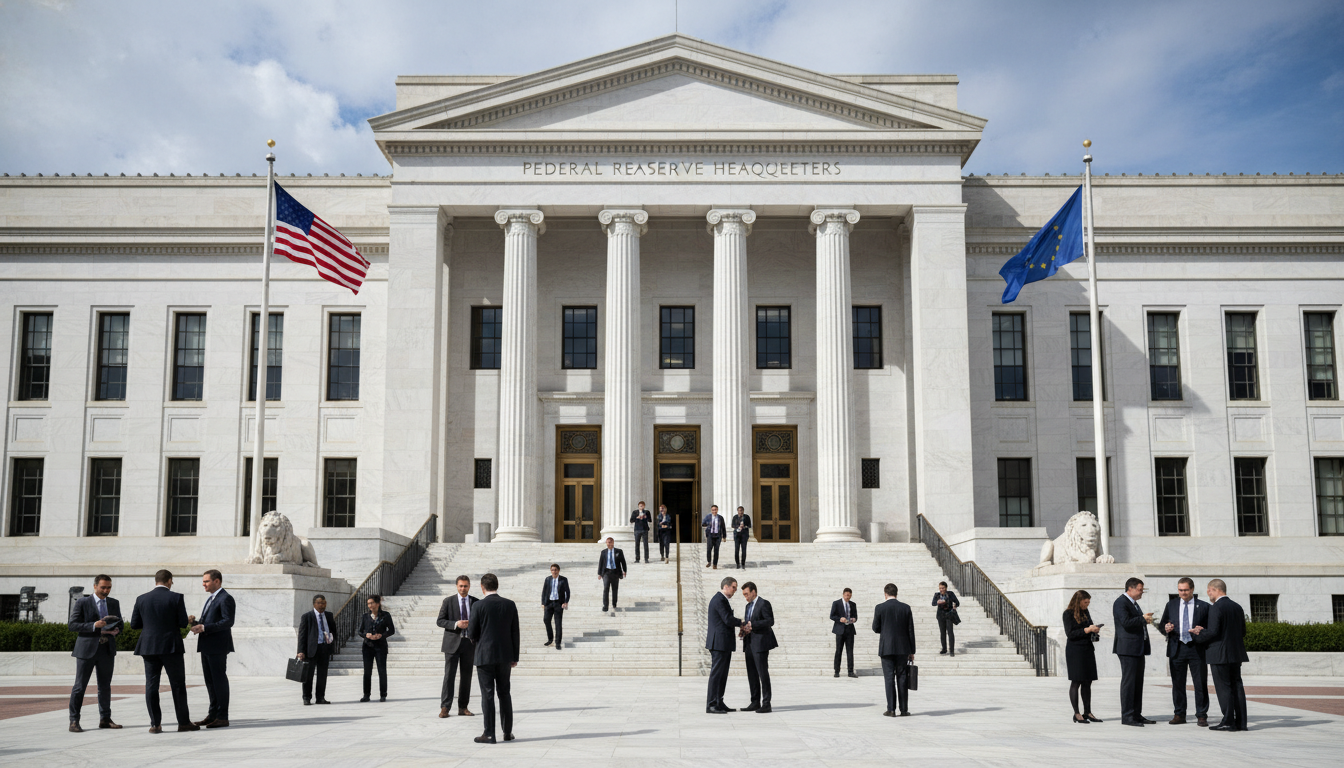
Trump’s Directive Aims for Regulatory Clarity
President Donald Trump has ordered a new review of how nonbank financial technology companies interact with the central bank’s payment plumbing. The White House directive, described in administration communications, frames the effort as an attempt to align oversight with risk and competition goals. In Today’s market, the practical concern is whether existing approvals and supervisory expectations match the scale of modern digital finance. The review places fintech regulation squarely inside a broader argument about who can connect to critical infrastructure and on what terms. Officials said agencies will examine the current process for access decisions and the safeguards applied to participating institutions. The next step is an interagency scoping phase before recommendations are drafted.
Impact on Fintech Firms Seeking Fed Access
For fintech firms that want a direct route into the U.S. payment system, the review introduces immediate uncertainty about timelines and standards. A Live issue for applicants is whether the bar for risk management will change, or whether the government will push for clearer, faster decisions. The Federal Reserve has long controlled access to certain payment services through Reserve Banks, and it publishes guidance for evaluating accounts and services. Market participants will also compare the review’s direction with ongoing debates about stablecoin payments and tokenized settlement, as policy shifts affect funding conditions in Fed Rate Shift Puts Markets on Alert for Next Move. An Update from agencies is expected once the review’s scope is formally set.
Potential Changes to Payment Service Policies
The policy questions reach beyond any one applicant and into how payment services are governed across the financial system. The Federal Reserve’s public framework for account access emphasizes legal eligibility, risk to the payments system, and operational readiness, and the review could revisit how those factors are weighted. Today, compliance teams are watching for signals on expectations around liquidity, cybersecurity, and anti money laundering controls. Regulators may also examine whether novel business models, including stablecoin settlement or bank sponsored fintech partnerships, should face additional conditions before connecting to Fed operated rails. The administration has not released draft language, but a policy Update could include revised criteria or more consistent disclosure about decisions. Firms will watch for any shift in how Reserve Banks apply the framework.
Reactions from the Financial Industry
Banks and payments companies are parsing what the review means for competition and systemic safeguards. Industry groups typically argue that direct connectivity should not weaken prudential standards, while some technology firms argue that clear rules would reduce uncertainty and improve resilience through modernized infrastructure. A Live point of comparison is international rulemaking, since payments policies can shape cross border flows and compliance design. CoinDesk highlighted how regulators are reopening rule discussions in Europe, and the same attention to process is visible in U.S. debates about access and accountability, as seen in EU opens MiCA consultation. Separately, stablecoin adoption remains relevant to payments competition, with USDT widens lead as stablecoins top $300B cap tracking market structure shifts. The industry is now waiting for a formal Update on review milestones.
Future Outlook for Fintech Regulations
The most immediate outcome may be procedural, with agencies clarifying who decides, what evidence is required, and how long an application should take. That matters for fintech regulation because access to central bank infrastructure can shape business viability, pricing, and partnerships. Today, compliance officers are preparing for heavier documentation requests, including more granular operational testing and third party risk management evidence. The administration may also encourage coordination among bank supervisors and payments regulators so that firms do not face conflicting instructions across agencies. Over the next several months, Live market conditions will pressure policymakers to balance innovation claims against safety standards, especially as real time payments expand. A credible Update will require public criteria, an appeals process, and consistent disclosures that reduce arbitrary outcomes while protecting system integrity.