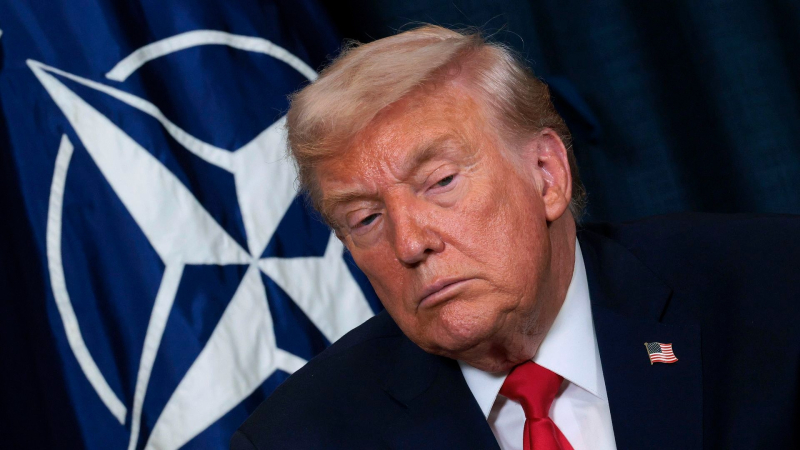
U.S. President Donald Trump has filed a lawsuit seeking five billion dollars in damages against JPMorgan, accusing the bank of improperly closing accounts linked to him and his businesses in 2021. The lawsuit was filed in Miami Dade County, Florida, and alleges that the bank engaged in trade libel, breached obligations of good faith and fair dealing, and violated Florida consumer protection laws. The case centers on claims that the account closures were carried out without legitimate justification and caused financial and reputational harm. The filing follows public statements by Trump in recent days indicating his intention to pursue legal action related to what he has described as politically motivated debanking during the period following the 2020 election.
JPMorgan has rejected the allegations, stating that the lawsuit lacks merit and that account decisions are based on legal and regulatory risk rather than political considerations. In a public response, the bank said it respects the president’s right to bring the case and intends to defend itself through the courts. The bank emphasized that it does not close accounts for political or religious reasons, but may do so when regulatory expectations or compliance obligations require it. The dispute revives a broader debate around access to banking services, particularly for high profile individuals and companies operating in politically sensitive environments, an issue that has also affected crypto firms and digital asset platforms in recent years.
The lawsuit comes amid renewed scrutiny of debanking practices in the United States. Since returning to office, Trump has taken steps aimed at curbing what his administration views as the weaponization of the banking system. Federal regulators appointed under his administration have issued warnings to banks about actions that could be interpreted as unjustified account closures. Members of the crypto industry have welcomed these signals, citing past challenges with banking access. The outcome of the case could have wider implications for how banks manage reputational and regulatory risk, as well as how policymakers balance compliance enforcement with fair access to financial services.