US Senate housing bill and the CBDC ban explained
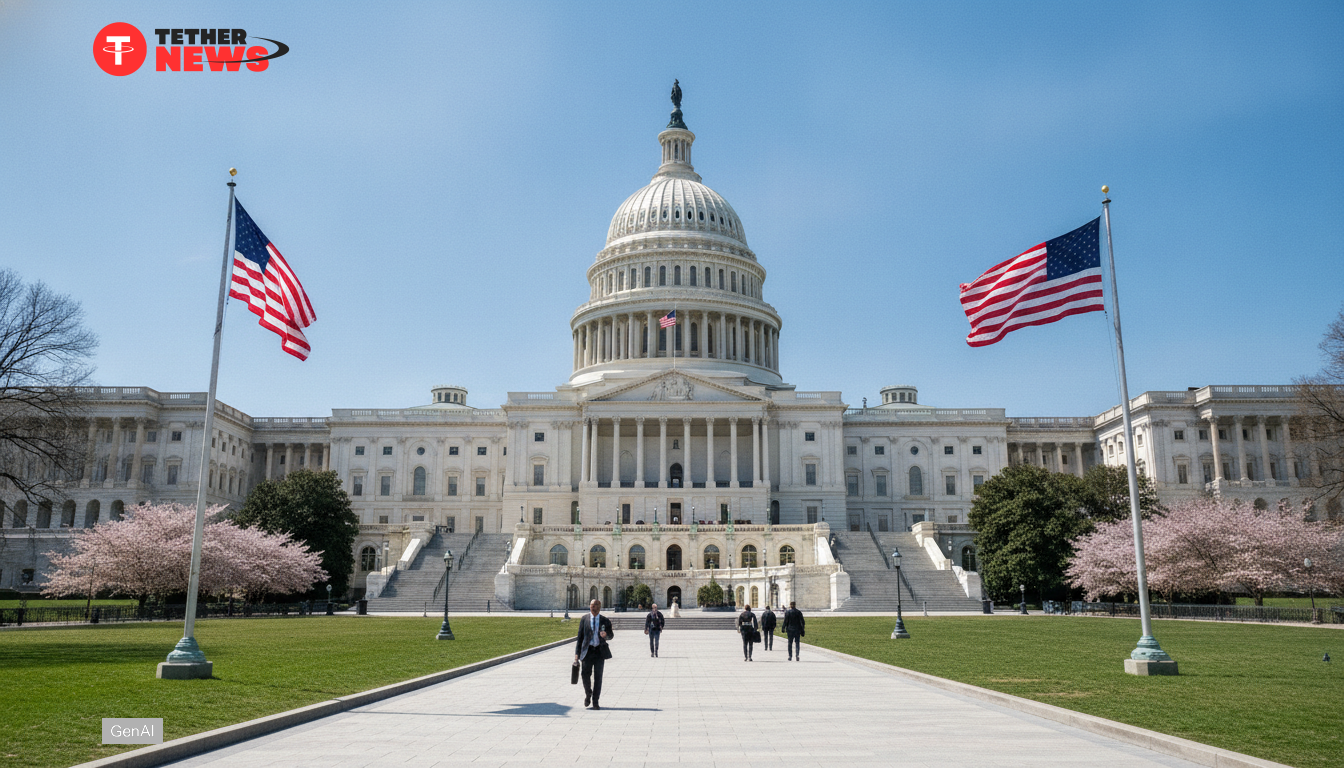
The US Senate advanced a housing bill that reportedly includes language described by supporters as a CBDC ban through 2030, which would restrict any retail central bank digital currency rollout during that window if enacted. Supporters framed the CBDC ban as a policy guardrail attached to broader housing and financial provisions rather than a standalone rewrite of monetary law, according to statements made during Senate debate. A comparable legislative framework can be seen in the European Union’s approach to digital currency that emphasizes strict regulatory oversight and the integration of digital currencies within existing financial systems. During floor debate, backers said the language would block a direct Federal Reserve account model for households and limit a government-run retail wallet. Procedural steps and text updates typically appear in the Congressional Record published by the Government Publishing Office, and the final scope would ultimately depend on the enacted text. The vote also sets up bicameral negotiations, where conference talks could adjust the final wording and reach before enactment.
How the CBDC ban reshapes digital dollar planning
For the Federal Reserve, the immediate effect would likely be reduced optionality around any consumer-facing issuance pathway, while leaving research and wholesale settlement experimentation less clearly defined based on how the provision is ultimately interpreted. Fed officials, including Chair Jerome Powell, have said in public remarks that a US digital dollar would require authorization from Congress; the proposed CBDC ban seeks to translate that stance into a time-bound statutory restriction. As payments modernization continues, banks and asset managers are expanding tokenized rails designed to coexist with stablecoins, as described in US Banks Launch Tokenization Network for Deposits. For additional context on how tokenization can function as an alternative to some retail-CBDC goals, see Tokenization in finance: stablecoins and banks, while the CBDC ban remains a live constraint in that policy window. Depending on the final bill text, this could steer more experimentation toward bank deposits and regulated stablecoin models rather than a government retail wallet.
Financial sector reactions and market positioning
Large financial institutions may interpret the vote as a signal that some lawmakers prefer private-sector-led digitization under existing supervisory frameworks, rather than a public retail wallet, though market reaction will depend on whether the CBDC ban survives conference and final passage. Trade groups such as the American Bankers Association have argued in testimony and public commentary that a direct central bank liability for consumers could disintermediate banks. If a CBDC ban limits near-term retail public options, stablecoin issuers and market makers could see increased interest in fiat-backed tokens used in trading and cross-border settlement. Market infrastructure efforts have also accelerated, and CoinDesk reporting on BNY tokenized funds highlights how traditional firms are building alternatives. For readers tracking stablecoin plumbing amid this CBDC ban debate, USDT dominance: Stablecoin Lead, Liquidity, and Risk details how liquidity can concentrate around major tokens during policy uncertainty, a dynamic that can matter for execution and spreads.
What it means for oversight and future monetary policy
The policy fight may shift from technical feasibility to governance, because the housing bill would attach a time-bound prohibition rather than creating a comprehensive payments charter, according to how supporters have characterized the approach in debate. Federal Reserve leadership, including Chair Jerome Powell in prior press conferences, has said the Fed would not proceed with a CBDC without explicit approval from Congress, and the Senate vote aims to reflect that political condition in legislation. A CBDC ban through 2030 also keeps active debates raised by lawmakers, civil-liberties advocates, and industry groups about privacy, surveillance risk, and the role of intermediaries in any future digital dollar design. The Treasury Department has emphasized in prior reports and public messaging the importance of preserving the role of commercial banks in credit creation, and some lawmakers align the restriction with that goal. Any near-term monetary policy implications would likely be indirect, with attention moving to how stablecoins and tokenized deposits transmit liquidity during stress events.
Global repercussions and cross-border payments
Internationally, the US legislative posture could influence how other jurisdictions weigh interoperability and standards when designing cross-border settlement systems. The Bank for International Settlements has documented multi-CBDC and tokenization experiments that rely on coordinated legal and technical frameworks, and a US pause on retail issuance tied to a CBDC ban could slow alignment on consumer-focused corridors, depending on how global counterparts interpret the signal. At the same time, private networks continue expanding links among banks, and CoinDesk coverage of the Chainlink bank transfer initiative shows how industry rails can progress even when public-sector plans stall. For dollar-based stablecoins such as USDT, global usage could rise if regulated on-ramps remain available, particularly in markets that already rely on token settlement for trade and remittances, though outcomes vary by jurisdiction. Related coverage on policy direction is available in Stablecoin regulation: BoE eases rules, sets 40B cap, which provides a comparative reference point for how caps and permissions are being set elsewhere.