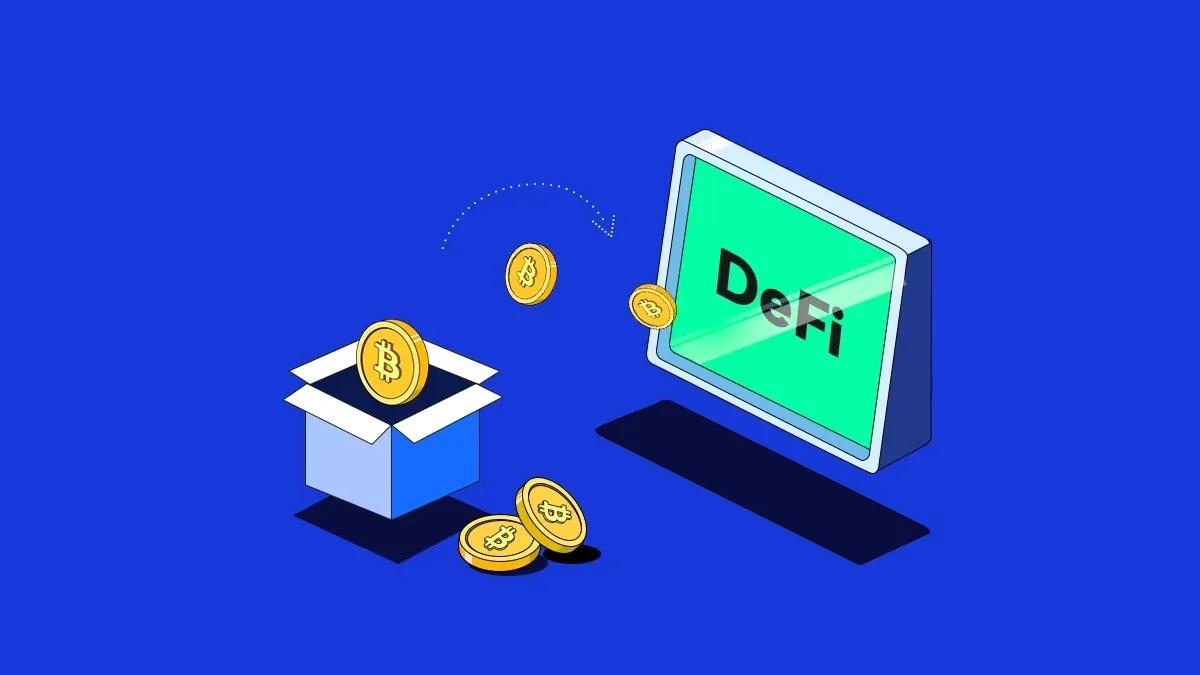
As decentralized finance continues to expand, one asset stands at the center of its liquidity engine: Tether’s USDT. In 2025, USDT has become the most used stablecoin across lending and borrowing protocols, surpassing competitors by a wide margin. Its dominance reflects not only market confidence in Tether’s reserves but also the maturity of decentralized markets that now depend on stable, dollar-denominated liquidity for yield generation and collateral efficiency.
The integration of USDT into every major DeFi protocol has turned it into the foundation for decentralized credit markets. From Aave and Compound to emerging cross-chain lending platforms, USDT provides the liquidity backbone that enables borrowing, leverage, and stable yield creation across the blockchain economy.
The Central Role of USDT in DeFi Liquidity
Stablecoins form the core of decentralized finance, but none have achieved the scale of Tether’s USDT. With over $130 billion in circulation, USDT is the largest source of on-chain liquidity across both centralized and decentralized markets. Its presence on multiple networks, Ethereum, Tron, Avalanche, Arbitrum, and Polygon, gives it unparalleled accessibility for users and protocols alike.
In DeFi lending markets, USDT is preferred because of its deep liquidity and high velocity. Lenders deposit USDT to earn competitive yields, while borrowers use it as collateral or a source of leverage. On major platforms such as Aave and Compound, USDT consistently ranks among the top three assets by total value locked, often accounting for more than one-third of all lending activity.
This dominance is reinforced by its role in liquidity pools and yield farming strategies. DeFi participants rely on USDT as a base currency to pair with volatile assets, reducing exposure to market swings while maintaining access to yield opportunities. The result is a more stable and efficient credit system built entirely on blockchain rails.
Institutional Integration and Yield Optimization
Institutional investors have increasingly turned to DeFi for on-chain yield generation, and USDT has become their preferred instrument for liquidity management. Hedge funds, family offices, and fintech firms are deploying stablecoin capital into automated lending strategies, where smart contracts manage risk, interest rates, and collateral ratios transparently.
USDT’s integration with institutional-grade custodians and DeFi gateways has made it easier for traditional capital to flow into decentralized ecosystems. These connections bridge regulatory compliance with blockchain efficiency, allowing institutions to access yields that often outperform traditional fixed-income instruments.
The demand for USDT in lending protocols has also been fueled by tokenized assets and on-chain treasury products. As more real-world collateral enters DeFi, such as tokenized bonds and treasuries, USDT serves as the settlement asset that ensures consistent valuation and predictable returns. This expanding utility positions Tether as a central liquidity provider not just for crypto-native products, but also for the emerging world of tokenized finance.
Stability, Transparency, and Market Confidence
Tether’s sustained dominance in DeFi lending stems from the growing transparency of its reserve management. Regular attestations and detailed reports confirm that the majority of Tether’s backing is held in short-term U.S. Treasuries and other highly liquid instruments. This has helped rebuild confidence after years of scrutiny and positioned USDT as a trusted source of stable liquidity.
For DeFi users, trust in reserve integrity translates directly into confidence in protocol solvency. Unlike uncollateralized or algorithmic stablecoins, USDT provides predictable redemption value and minimal volatility risk. Its ability to maintain parity with the U.S. dollar even during periods of market stress has solidified its reputation as the anchor asset of decentralized markets.
Moreover, Tether’s cross-chain distribution ensures redundancy and resilience. In case of network congestion or high transaction fees, users can move USDT seamlessly between chains without disrupting liquidity. This flexibility allows lending protocols to remain efficient and accessible across market cycles.
DeFi Lending as a Core Component of the Digital Economy
DeFi lending has evolved into one of the most important segments of blockchain finance, handling billions in daily transaction volume. Its success depends on assets that combine stability, liquidity, and trust, all qualities embodied by USDT.
By acting as both collateral and settlement currency, USDT enables DeFi to operate as a self-sustaining credit market. Borrowers gain access to capital without intermediaries, and lenders earn yield through automated, transparent mechanisms. The liquidity generated by these interactions extends into every corner of DeFi, from perpetual futures to decentralized exchanges and real-world asset tokenization.
USDT’s expanding role also influences DeFi’s monetary structure. Many protocols now denominate yields, collateral ratios, and performance metrics in stablecoin terms, effectively using USDT as a unit of account. This normalization underscores how deeply stablecoins have penetrated financial logic on the blockchain.
Conclusion
USDT’s dominance in DeFi lending is more than a sign of market preference, it represents the foundation of decentralized liquidity itself. As blockchain finance matures, Tether’s stablecoin continues to bridge the gap between traditional markets and decentralized systems, providing a reliable base for yield generation, collateral management, and capital efficiency.With rising institutional participation, clearer regulation, and increasing integration with tokenized assets, USDT’s influence in decentralized lending is set to deepen further. It is no longer just a trading instrument; it is the digital reserve currency of the DeFi economy.Stable, liquid, and globally accessible, USDT has become the heartbeat of decentralized finance, powering the next generation of financial innovation.