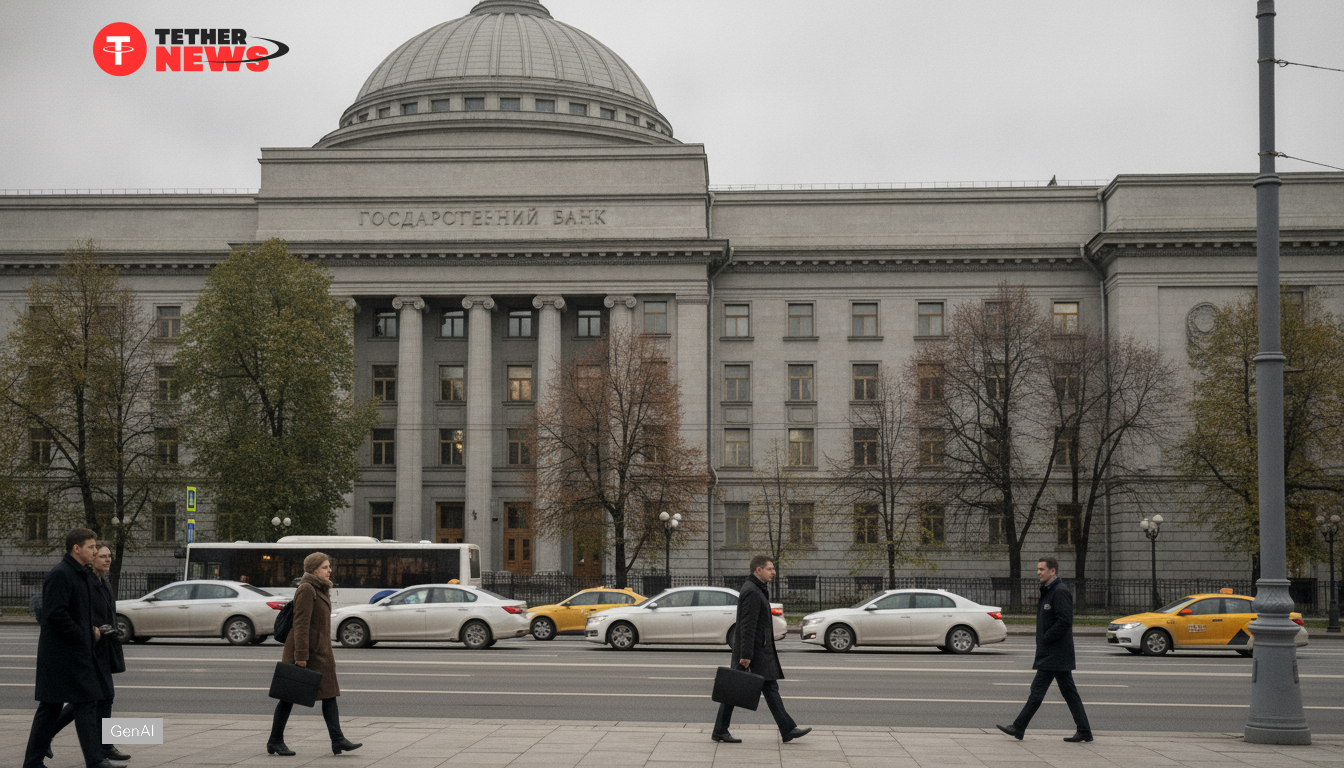
Russia crypto trading: regulated exchange access for USDT
Russian policymakers have opened a new lane for stablecoin activity by backing a framework that would allow regulated exchange trading of USDT alongside other major cryptoassets, reports indicate. In this policy shift, Russia crypto trading may be routed toward venues that can meet supervision, custody, and disclosure requirements set by domestic regulators, as indicated by available sources. The initiative appears to be part of a proposal to allow exchange trading in Bitcoin, Ether, and Tether’s USDT under defined rules. The stated aim is to pull more transactions into visible channels for monitoring, tax clarity, and compliance. For market participants, the change matters because USDT is widely used for pricing, settlement, and crypto-to-fiat bridging in day-to-day activity, according to industry practice.
Impact on the Russian crypto market and compliance rails
For local brokers and exchanges, the immediate effect could potentially offer a clearer path to list USDT in a compliant format, which may shift some activity away from informal marketplaces, depending on final implementation. Market structure matters because stablecoin liquidity often anchors ruble-paired trading and cross-border settlement behavior, according to market participants. In a related policy environment, regulators elsewhere have used targeted enforcement to reshape access points, and CoinDesk documented how an Australian watchdog action pushed 96 crypto ATMs offline in a compliance dispute via Australian watchdog suspends Cryptolink, forcing 96 ATMs offline, while a parallel summary is covered in Australia halts Cryptolink Bitcoin ATMs after AUSTRAC. By contrast, the proposal seemingly emphasizes supervised exchange rails rather than distribution kiosks, which could concentrate volume in fewer, more controllable entities while raising onboarding and reporting standards.
How Russia compares on USDT regulation and stablecoins
Russia’s approach appears to sit between permissive markets and jurisdictions that require extensive issuer-level disclosures, reserve attestations, and strict marketing rules, based on how stablecoin frameworks are commonly structured. The USDT regulation debate globally often turns on how authorities define a stablecoin and whether it is treated like e-money, a security, or a settlement instrument, depending on local law. For context on macro drivers, the IMF has discussed how digital dollar demand can shape stablecoin adoption and risk management, a theme covered in Digital dollars drive stablecoin demand, IMF cautions. Issuance and liquidity events are also cited in policy discussions as factors that can influence how regulators view market impact, including Tether USDT issuance: 1B mint and liquidity shift. The proposal puts emphasis on trading access through supervised exchanges rather than broad retail circulation via informal channels, though the scope will depend on final rules.
What it means for liquidity, sanctions screening, and global desks
Allowing USDT trading on regulated Russian exchanges may affect how counterparties price compliance risk across venues, particularly when stablecoins are used to bridge fiat and crypto liquidity. CoinDesk has tracked real-economy integration efforts, including stablecoin rails linking crypto and cash services, as described in MoneyGram expands on Solana with global crypto-to-cash service. In the middle of these adjustments, Russia crypto trading could become a test case for how a large jurisdiction integrates a widely used dollar-pegged token without fully embracing open retail circulation, depending on eligibility and enforcement. Compliance teams will also watch enforcement signals tied to sanctions controls, including OFAC Sanctions Iran-linked Exchanges, Crypto Fallout, because screening expectations can change routing decisions, spreads, and settlement choices across the market.
Next steps for exchange rules and USDT access
The next phase will hinge on licensing details, surveillance standards, and how exchanges document counterparties and transaction provenance under domestic rules, based on how such regimes typically operate. Current reports suggest officials are prioritizing oversight, which implies stricter reporting and risk controls tied to AML and sanctions compliance. Participants in Russia crypto trading will also watch localized order-book depth and slippage across major venues, because access changes can shift short-term liquidity and arbitrage patterns. A broader question is whether the new Russia crypto trading rules remain limited to certain investors or evolve into a more general market-access regime for compliant participants. If implementation proves consistent over time, USDT could become more institutionalized inside Russia’s regulated market perimeter and potentially reduce reliance on informal stablecoin settlement paths.