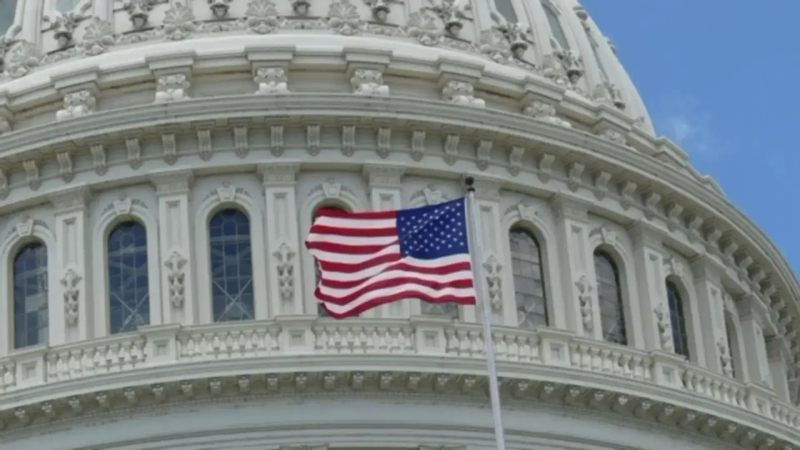
Analysts at Bernstein say the opportunity to pass a comprehensive US crypto market structure bill is narrowing quickly, with unresolved disagreements over stablecoin rewards emerging as the main obstacle. In a note to clients, the firm said progress now depends less on technical debates around token classification and more on whether lawmakers can bridge a growing divide between banks and crypto platforms. Banking groups have raised concerns that reward programs tied to stablecoin balances could draw deposits away from traditional accounts, while the crypto industry argues such incentives are essential for competition and innovation. With Senate committees preparing for markup sessions, Bernstein warned that failure to resolve the dispute could delay or derail legislation intended to provide long sought regulatory clarity for digital asset markets.
The proposed Clarity Act is designed to establish a unified framework for crypto oversight in the United States by dividing responsibilities between the Securities and Exchange Commission and the Commodity Futures Trading Commission. It would classify most tokens as digital commodities, set standards for exchanges, and limit regulatory burdens on decentralized protocols while maintaining anti fraud enforcement. The bill has already cleared the House and is now being finalized in the Senate, where both the Banking and Agriculture Committees must approve their respective sections before a full floor vote. Bernstein said most structural elements of the bill are broadly agreed upon, making the stablecoin rewards issue the critical fault line that could determine whether the legislation advances on schedule.
Political timing adds urgency to the debate, with analysts noting that the bill must move forward by the second quarter of 2026 to avoid being overshadowed by midterm election dynamics. The issue gained further attention after Coinbase signaled it could reconsider support for the legislation if broader limits on stablecoin rewards are imposed. Industry advocates argue that reopening provisions settled under earlier stablecoin laws would undermine competitiveness and push innovation offshore. Bernstein said the current administration’s supportive stance toward crypto provides momentum, but cautioned that delays over rewards could still stall progress. The firm described the current moment as decisive, warning that the window to enact meaningful crypto market reform is now closing.