Brazil Tightens Crypto Regulations
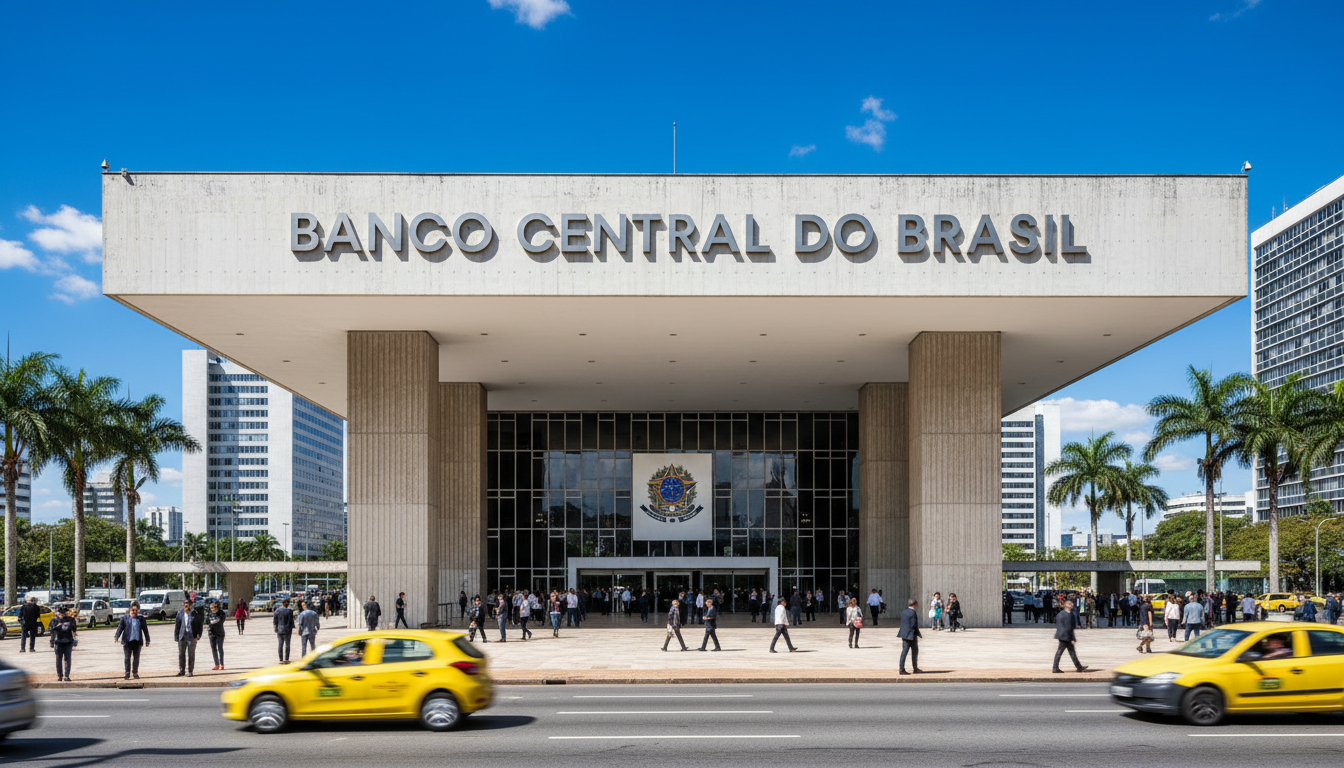
Brazilian financial institutions are adjusting compliance workflows after the Banco Central do Brasil moved to block crypto settlement on regulated cross-border payment rails. In Today’s monitoring calls with compliance heads, the Brazil central bank position is being interpreted as a clear line between regulated money movement and virtual asset transfer. The policy focus is on settlement finality and AML controls inside authorized arrangements, as outlined in central bank communications cited by Reuters. Live legal teams at several payment providers are mapping which corridors and products must be re-papered to keep crypto tokens outside settlement layers. An Update from counsel to fintechs is that the change targets how payments are settled, not consumer access to exchanges.
Impact on Cross-Border Payment Systems
For banks and licensed payment institutions, the immediate operational effect is redesigning cross-border payments routes that previously relied on token-based netting or on-chain settlement at the back end. In Today’s corridor reviews, treasury desks are prioritizing FX execution and prefunding to avoid any crypto leg touching regulated rails, in line with the Brazil central bank direction. For context on how policy shifts can ripple across dollar-linked flows, see Dollar Dominance in 2025: Reserves, Trade, Policy, as a Live compliance note circulated across the sector points teams to heightened transaction monitoring for indirect exposure to virtual assets. An Update from a major processor is that partners will need new attestations on settlement methods before reconnecting corridors.
Reactions from the Crypto Community
Market participants are reacting by separating messaging about user access from messaging about settlement plumbing, because regulated rails are where the prohibition bites. CoinDesk’s May 1 market coverage provides context on broader sentiment as bitcoin volatility continues, via Bitcoin bounces as big tech earnings fuel optimism, and traders watching prices Live are treating the Brazilian move as a signal of stricter crypto regulation around institutional payment channels, not a blanket ban on trading. In Today’s exchange briefings, several operators said they will emphasize fiat settlement paths for deposits and withdrawals. A separate Update across OTC desks is that counterparties are requesting clearer documentation on how USDT and other tokens are used, if at all, in post-trade processes.
Comparative Analysis with Other Countries
Brazil’s approach resembles a growing pattern where authorities tolerate trading while restricting how regulated entities can integrate tokens into payment settlement. In comparisons discussed Live by compliance advisers, eu crypto regulation under MiCA is often cited as a framework that standardizes issuance and conduct rules, while still demanding strict controls on payment use cases. Enforcement teams are also focusing on illicit flow risks tied to stablecoins, a theme covered in Tether Freezes $180M as Crime Flows Shift to Coins, and the Brazil central bank stance similarly tightens the perimeter around regulated cross-border payments and requires clearer segregation between banking money and crypto tokens. Today’s takeaway for multinationals is that corridor design must be jurisdiction-specific. An Update from compliance consultants is that audit trails for settlement assets will become a standard supervisory ask.
Future Implications for Digital Transactions
The next phase is likely to be supervisory exams that test whether institutions can prove, transaction by transaction, that regulated settlement never touches a token leg. In Today’s project plans, banks are allocating budget to rebuild reconciliation and reporting so that cross-border payments remain compliant even when customers interact with exchanges separately. Live product teams are also considering whether instant payment systems can carry more load to reduce demand for alternative settlement methods, including shifts tied to the Brazil central bank decision. The Brazil central bank decision will push providers to document counterparties, custody arrangements, and messaging standards more tightly, especially where virtual assets are part of customer flows. An Update from industry lawyers is that contract language will harden around prohibited settlement mechanisms, with penalties for partners that route via crypto intermediaries.