
Markets
The year 2025 marks a pivotal moment in the evolution of stablecoins. Once confined to crypto trading platforms and decentralized finance protocols, stablecoins have now

The year 2025 marks a pivotal moment in the evolution of stablecoins. Once confined to crypto trading platforms and decentralized finance protocols, stablecoins have now

Tether, the world’s largest stablecoin issuer and one of the most influential entities in the digital asset ecosystem, is entering a transformative phase. Once regarded

A new metric is emerging at the center of digital finance analysis the Stablecoin Velocity Index. Designed to measure how rapidly stablecoins circulate across exchanges,
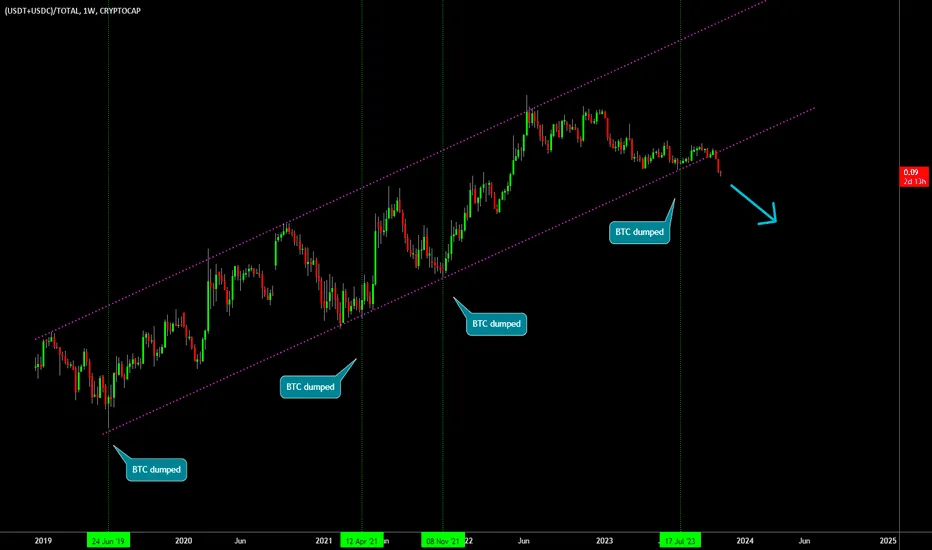
The global stablecoin market is undergoing a structural transformation as institutional adoption, regulatory differentiation, and regional liquidity patterns reshape its competitive landscape. Between 2025 and

Tether’s USDT, the world’s largest stablecoin by market capitalization, is entering a new phase of adoption one dominated by institutional activity. Recent blockchain analytics reveal

Global liquidity patterns are shifting rapidly, and nowhere is this more evident than in the stablecoin market. Once dominated by Western trading desks and crypto

The transparency of blockchain technology allows analysts to track the flow of billions of dollars in digital assets across public ledgers. Nowhere is this visibility
Tether has established itself as the undisputed leader in the global stablecoin market, reaching a circulation of more than 170 billion dollars in late 2025
Asia is rapidly emerging as the global center of stablecoin adoption and innovation. From Singapore’s regulated digital asset frameworks to Hong Kong’s pilot programs and

The digital asset market of 2025 has entered a new era of maturity, driven by one key development: the explosive growth of stablecoin usage. Global