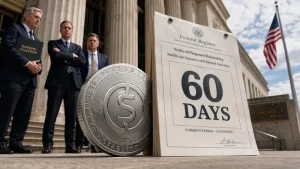
Speculation around deeper government involvement in digital assets resurfaced after Cathie Wood suggested the United States may soon begin actively purchasing bitcoin to build a national reserve. Speaking in a recent discussion, the Ark Invest founder said the government’s current bitcoin holdings are limited to confiscated assets and argued that future accumulation could involve direct market purchases. Wood framed crypto as a politically significant issue ahead of upcoming US elections, noting that continued engagement with the sector could remain a priority for policymakers. She also pointed to efforts by federal agencies to explore budget neutral ways of expanding bitcoin holdings, alongside state level initiatives aimed at building their own digital asset stockpiles.
The comments come amid broader signs of regulatory and institutional engagement with crypto markets. In a separate development, payments firm Ripple secured authorization from the UK’s Financial Conduct Authority, obtaining approval for an Electronic Money Institution license and crypto asset registration. The move clears the path for Ripple to expand its payments platform in the UK under a regulated framework and reflects the country’s gradual push toward comprehensive crypto oversight by 2027. UK regulators have indicated that stablecoin payments and market integrity will be early focus areas, signaling a more structured environment for blockchain based financial services. Ripple said the authorization supports a transition from pilot programs to full scale deployment of blockchain infrastructure for cross border payments.
Elsewhere, regulatory scrutiny continues to intensify in emerging markets. Colombia’s tax authority has introduced new rules requiring crypto exchanges and digital asset platforms to report detailed user and transaction data, aligning the country with international reporting standards. The measures are aimed at improving transparency and reducing tax evasion as crypto adoption grows. Together, the developments highlight a maturing policy landscape in which governments are balancing tighter oversight with selective engagement in digital assets. From potential bitcoin reserves to regulated payment expansion, the latest signals suggest crypto is increasingly being treated as a strategic component of financial and economic policy rather than a peripheral market.