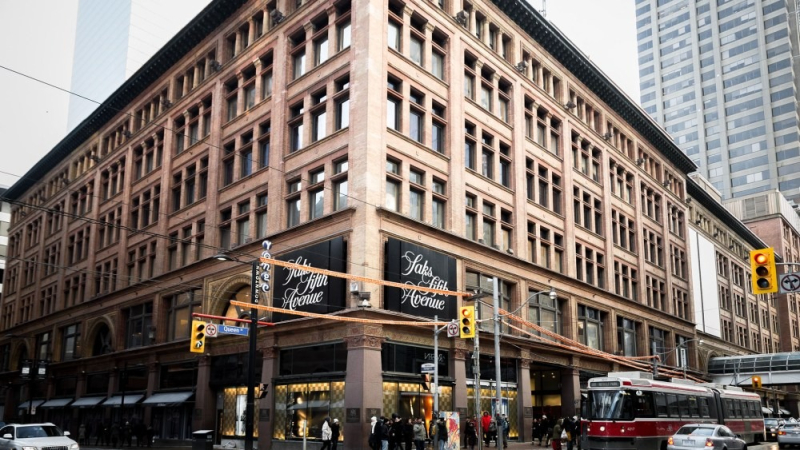
Department stores across major global cities are reworking their strategies as mounting pressures expose structural weaknesses in the traditional retail model. The challenges facing Saks Global have sharpened attention on a sector already squeezed by the rise of e-commerce, mass market value retailers, and luxury brands that increasingly favor their own boutiques. In response, department stores are doubling down on curated shopping experiences designed to draw customers back into physical spaces. From architectural restorations to in-store dining, cultural events, and exclusive product launches, retailers are attempting to transform stores into destinations rather than simple points of sale. Analysts say the shift reflects changing consumer expectations, where atmosphere and engagement now play a central role in luxury purchasing decisions.
Several high profile examples illustrate this pivot toward experiential retail. Newly opened and renovated stores are blending shopping with lifestyle elements such as wine tastings, designer talks, fine dining, and immersive design concepts that highlight brand heritage. In Europe, significant investment in historic store refurbishments has helped lift foot traffic in some locations, although results remain uneven. While certain flagship renovations have boosted visits, others have struggled to translate architectural ambition into sustained profitability. Research suggests that growth in luxury over recent years has been driven less by traditional retail formats and more by experience driven sectors such as hospitality, underscoring both the opportunity and the risk for department stores betting heavily on transformation.
Saks’ difficulties have become a cautionary signal for the industry. Falling revenues, mounting losses, and missed bond payments have highlighted vulnerabilities tied to debt, inventory management, and an eroding value proposition. Analysts argue that these issues extend beyond one company, pointing to a broader erosion of the department store model as consumers gravitate toward either lower priced chains or more exclusive brand controlled environments. In response, some retailers are exploring concession based models, deeper brand collaborations, and selective partnerships as ways to reduce risk and refresh offerings. Despite these efforts, forecasts remain bleak, with global department store sales expected to stagnate through the end of the decade. The sector now faces a defining test of whether experiential retail can offset long term shifts in how and where consumers choose to shop.