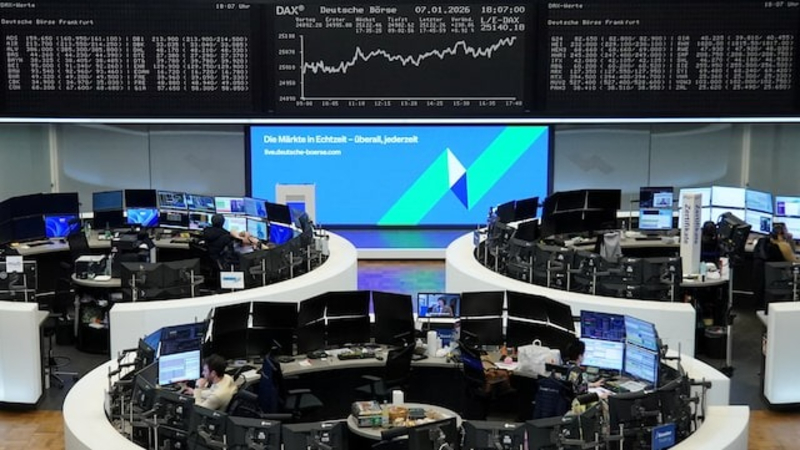
European equities retreated on Thursday as an early 2026 rally showed signs of fatigue, with technology and retail stocks leading losses across regional benchmarks. The pan-European STOXX 600 slipped 0.2 percent, marking its second straight day of declines after reaching record highs at the start of the year. Investors grew more cautious as weaker updates from major retailers and softer commodity prices weighed on sentiment. Technology shares were the biggest drag, falling more than two percent, while mining stocks declined as gold and copper prices eased. The pullback highlighted growing sensitivity to earnings signals as markets transition from optimism driven by year-start positioning to scrutiny of corporate performance and consumer demand across key European economies.
Retail stocks also reversed course, ending a four-day winning streak as earnings updates pointed to a fragile consumer backdrop. Several major UK retailers reported subdued demand beyond essential purchases, raising concerns about discretionary spending amid lingering inflation pressures. Shares in large supermarket and apparel groups fell sharply following profit warnings and softer sales data, reinforcing fears that higher living costs continue to shape consumer behavior. While some premium food segments showed resilience during the holiday period, broader retail sentiment remained cautious. The developments underscore the challenge for European companies navigating slowing demand alongside elevated costs, at a time when investors are reassessing how much growth is already priced into equity valuations.
In contrast to the broader weakness, defence stocks provided a bright spot, with the aerospace and defence sector reaching record levels amid renewed calls for higher military spending. This divergence highlighted a shift toward selective positioning as investors balance geopolitical risks with slowing economic momentum. With the first earnings season of 2026 now underway, markets are increasingly focused on guidance rather than macro optimism alone. Analysts note that uncertainty around fiscal policy, geopolitics, and global growth is encouraging a more defensive stance. As a result, European equity indices may face further consolidation as traders weigh whether earnings can justify the strong gains recorded at the start of the year.