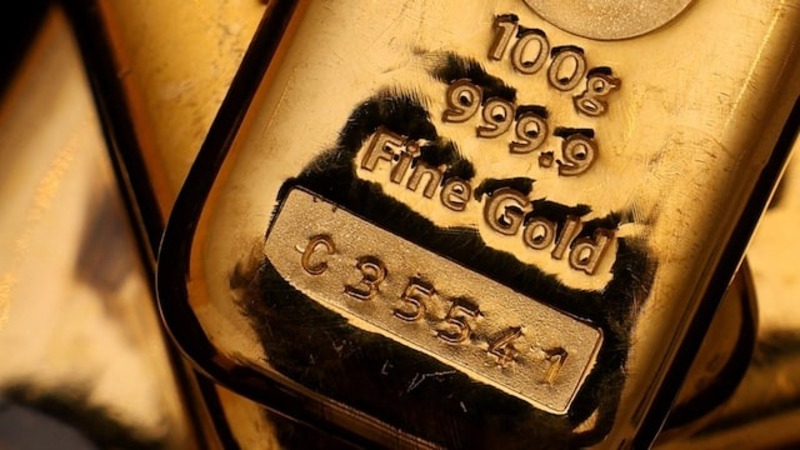
Gold is back at the center of global macro debate as forecasts point to a possible surge toward $5,000 an ounce in the first half of 2026, driven by geopolitical risk and rising sovereign debt. Analysts argue that persistent global tensions, fiscal strain in major economies, and ongoing demand for safe haven assets have created conditions that could push prices to new highs. After a historic rally in 2025, when gold logged its strongest annual gain in decades, momentum has carried into the new year with prices holding near record territory. The metal’s appeal continues to be reinforced by uncertainty around global growth, conflict risk, and long term confidence in fiat currencies, making gold a central hedge in diversified portfolios.
At the same time, outlooks are becoming more nuanced as institutions warn that extreme price levels may introduce downside risks later in the year. While near term upside remains supported, analysts caution that any easing in geopolitical stress or a shift in monetary policy expectations could trigger a meaningful correction. Gold’s performance remains closely tied to interest rate dynamics, particularly decisions by the U.S. Federal Reserve. If rate cuts pause or reverse, the opportunity cost of holding non yield bearing assets like gold could rise. This creates a wide forecast range for 2026, with expectations spanning from sharp upside scenarios to pullbacks that would still leave prices historically elevated.
Beyond short term price action, the longer horizon outlook reflects a structural shift in how gold is viewed within the global financial system. Forecasts for subsequent years suggest sustained strength rather than a return to pre rally norms, driven by elevated debt burdens and diversification efforts by central banks. High volatility is expected to remain a defining feature, reinforcing gold’s dual role as both a hedge and a speculative asset in uncertain times. As investors weigh inflation risks, monetary policy credibility, and geopolitical stability, gold’s trajectory in 2026 is shaping up to be less about a single price target and more about navigating a broader regime of persistent uncertainty.