Gulf equity markets closed mixed on January 8 as investors remained cautious ahead of key U.S. labor market data that could influence expectations for Federal Reserve interest rate policy. Regional sentiment was shaped by firmer oil prices, a critical driver for Gulf economies, as Brent crude climbed above $60 a barrel amid developments linked to Venezuela and potential changes to U.S. sanctions policy. Saudi Arabia’s benchmark index edged slightly higher, supported by gains in energy, financial, and technology shares, helping offset earlier pressure from heavyweight industrial names. Elsewhere, market performance reflected selective buying rather than broad risk appetite, with traders balancing improved commodity prices against global macro uncertainty. The mixed close underscored how closely Gulf stock indexes remain tied to external signals, particularly U.S. monetary policy expectations and energy market trends.
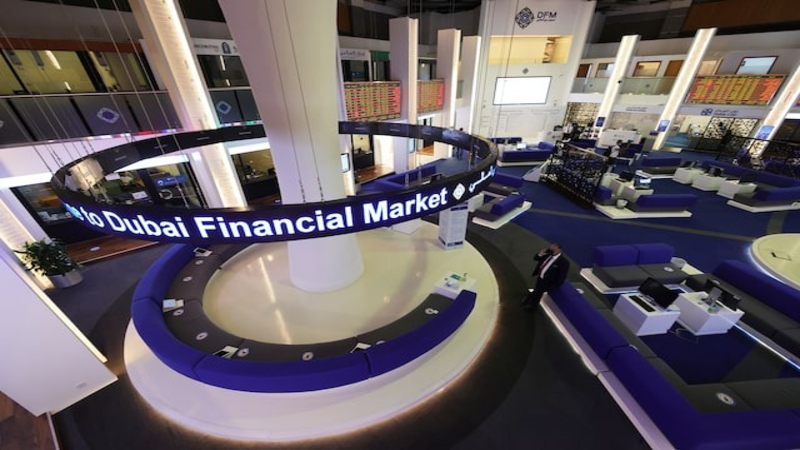
In the United Arab Emirates, Dubai’s main index extended its rally for a sixth consecutive session, hovering near levels last seen in 2008 as gains in communications, utilities, and industrial stocks supported sentiment. Abu Dhabi’s benchmark, however, slipped modestly after snapping a two day winning streak, weighed down by losses in energy related names despite strength in select property stocks. Qatar’s benchmark index fell sharply, with broad based declines across banking and industrial shares dragging performance lower. Kuwait and Bahrain also posted mild losses, while Oman’s market ended higher. The divergence across Gulf indexes highlighted differing sector exposures and domestic catalysts, even as markets across the region shared a common focus on global interest rate expectations.
Outside the Gulf, Egypt’s blue chip index continued its upward momentum, rising for another session as telecom and banking stocks led gains. Investors in the region are now looking ahead to the release of U.S. non farm payrolls data, which is expected to play a key role in shaping near term market direction. Because most Gulf currencies are pegged to the U.S. dollar, shifts in Federal Reserve policy outlooks often have a direct impact on regional liquidity and equity valuations. Until greater clarity emerges, analysts expect Gulf stock indexes to remain range bound, with oil prices and global macro data continuing to drive short term movements.