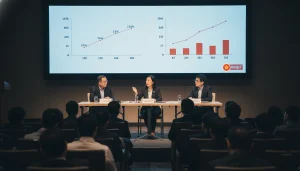
Hong Kong’s insurance regulator has begun reviewing its risk based capital framework as part of a broader effort to ensure the regime remains competitive while adapting to new financial instruments, including stablecoins and crypto assets. The review examines how recent developments in digital asset regulation should be reflected in capital requirements for insurers, particularly as exposure to tokenized assets and blockchain related activities expands. Officials have indicated that the goal is not to impose immediate changes but to assess whether existing capital definitions and quality thresholds remain fit for purpose. The framework only came into force in mid 2024, yet authorities are already testing how it performs under evolving market conditions. This early reassessment reflects growing awareness that stablecoins and crypto linked investments could gradually move from peripheral considerations into more formal balance sheet planning for insurers operating in Asia’s largest financial hubs.
Capital treatment sits at the core of the review, with attention on how different asset types affect solvency strength and risk sensitivity. The existing structure categorizes capital into tiers with defined limits designed to preserve loss absorbing capacity, while risk charges are applied across market, insurance, counterparty, and operational exposures. Regulators are now evaluating how stablecoins and other digital assets should be classified within this structure, especially given their varying risk profiles and liquidity characteristics. Alongside this, the review considers capital incentives tied to infrastructure investments, reflecting an effort to encourage diversification while supporting domestic economic priorities. By aligning incentives with balance sheet behavior, authorities aim to influence long term capital allocation without undermining prudential safeguards. Industry feedback is currently being gathered, with consultation expected before any formal adjustments are proposed.
Beyond numerical requirements, the review also reinforces the importance of governance, disclosure, and internal risk processes. Insurers are required to maintain robust enterprise risk management practices and conduct regular solvency assessments that are submitted directly to the regulator. Reporting and transparency obligations remain under development, with further guidance expected as the framework matures. The timing of the review signals a proactive stance rather than a reaction to stress, acknowledging that asset innovation is accelerating faster than traditional regulatory cycles. While stablecoins and crypto exposures remain limited for most insurers, authorities appear intent on ensuring the capital regime can accommodate a wider range of investment patterns if adoption grows. This approach positions Hong Kong to respond quickly as financial markets continue to evolve.