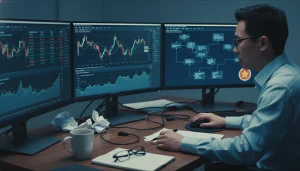
Rising geopolitical tensions linked to the Iran conflict are reshaping how investors access commodity markets, with a sharp increase in trading activity shifting toward decentralized platforms. Volatility in oil prices has exposed the limitations of traditional market hours, pushing traders toward platforms that offer continuous access. As a result, decentralized exchange Hyperliquid has seen a significant surge in oil related trading, highlighting a growing demand for round the clock exposure during periods of global uncertainty.
The surge in activity has been particularly notable during periods when traditional markets were closed. Traders seeking to react to rapid developments over weekends and outside standard trading hours have increasingly turned to perpetual futures contracts on decentralized platforms. These instruments allow investors to maintain continuous positions without expiry, using funding mechanisms to track underlying price movements. This flexibility has made them especially attractive during fast moving geopolitical events where timing is critical.
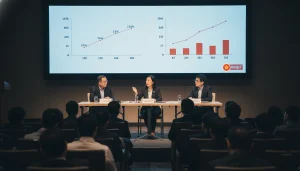
Trading volumes on Hyperliquid have expanded rapidly as a result of this shift. Oil linked contracts on the platform have reached daily volumes in the billions, with substantial open interest building alongside. This growth reflects participation not only from crypto native traders but also from a broader set of market participants looking for uninterrupted access to price discovery. The ability to trade at any time has become a key differentiator as traditional systems struggle to keep pace with global events.
The underlying driver of this trend is the gap between how quickly markets move and the limited hours of conventional trading venues. When major geopolitical developments occur outside of exchange hours, investors are often left unable to adjust positions until markets reopen. This delay can lead to sharp price adjustments once trading resumes. Decentralized platforms are filling this gap by offering continuous liquidity and allowing traders to respond instantly to new information.
This shift is also contributing to the broader growth of decentralized finance infrastructure. Platforms that enable peer to peer trading without intermediaries are gaining traction as users seek more control and flexibility. The non custodial nature of these exchanges allows participants to manage their own assets while accessing global markets at any time. As a result, decentralized trading venues are beginning to capture market share from smaller centralized exchanges that operate within fixed trading windows.
The expansion of 24 7 trading is not limited to crypto assets but is increasingly extending into traditional markets such as commodities. Oil has emerged as a key example of how digital asset infrastructure can support new forms of market access. By enabling continuous trading, decentralized platforms are redefining how price discovery occurs and how investors manage risk during volatile periods.
As geopolitical uncertainty continues to influence global markets, the demand for uninterrupted trading is expected to remain strong. The recent surge in activity on platforms like Hyperliquid suggests that the integration of traditional assets into decentralized systems is accelerating. This trend points toward a future where financial markets operate without time constraints, driven by technology that allows constant access and real time response to global events.