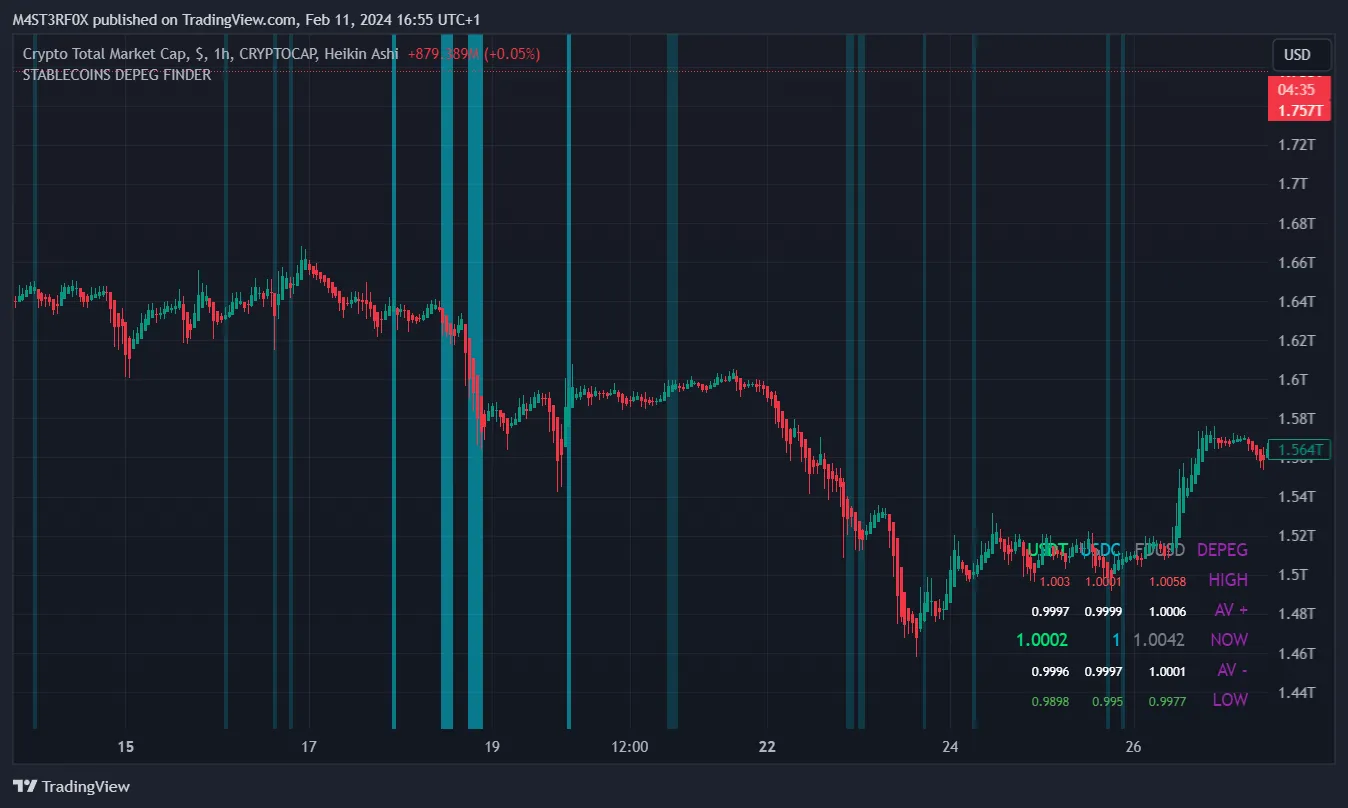
The market volatility index has declined as traders increasingly move capital into stablecoins. This shift reflects a defensive but controlled response to recent market uncertainty. Rather than exiting crypto markets entirely, participants are choosing stability while remaining positioned for future opportunities.
In 2025, volatility indexes are closely linked to capital flows. When traders allocate more funds to stablecoins, price fluctuations across major assets often moderate. The current decline suggests that risk is being actively managed rather than avoided.
Stablecoin Rotation Reduces Market Swings
The primary driver behind the lower volatility index is capital rotation into stablecoins. As traders close high risk positions, funds are parked in stable assets. This reduces rapid buying and selling pressure on volatile tokens.
Stablecoins act as shock absorbers during uncertain periods. They allow traders to pause exposure without triggering forced exits. This behavior smooths price movements and contributes to calmer market conditions.
The result is a more orderly market environment. Volatility declines not because activity stops, but because capital is temporarily stabilized.
Trading Strategies Favor Capital Preservation
Trading strategies in 2025 increasingly emphasize capital preservation. Many participants use stablecoins to manage drawdowns and wait for confirmation signals. This disciplined approach contrasts with earlier cycles marked by aggressive risk taking.
Algorithmic and systematic traders also contribute to this trend. Automated strategies often rebalance into stablecoins when volatility thresholds are breached. These rules based adjustments reinforce broader market stability.
As more traders adopt structured risk management, volatility becomes less extreme. Stablecoins play a central role in enabling this behavior.
Exchange Liquidity and Stablecoin Pairs
Exchange liquidity conditions support the shift toward stablecoins. Most major trading pairs are denominated in stablecoins, making transitions efficient and low cost. This infrastructure encourages rapid reallocation during changing conditions.
High liquidity in stablecoin pairs reduces slippage and execution risk. Traders can adjust positions without exacerbating price swings. This efficiency contributes directly to lower volatility readings.
In addition, derivatives platforms use stablecoins for margin and settlement. This further concentrates liquidity in stable assets during periods of uncertainty.
Investor Psychology During Risk Off Phases
Investor psychology also influences volatility trends. When uncertainty rises, traders seek clarity and control. Stablecoins provide a sense of stability without disconnecting from the market.
This behavior reduces panic selling. Instead of liquidating positions at unfavorable prices, investors move into stablecoins and reassess. This measured response helps prevent cascading losses.
In 2025, market participants are more experienced and data driven. Their reactions to uncertainty are increasingly strategic rather than emotional.
Implications for Short Term Market Direction
A declining volatility index often signals consolidation. Markets may enter a range bound phase as participants wait for new catalysts. Stablecoin accumulation can indicate readiness rather than retreat.
Historically, periods of low volatility following risk off moves have preceded renewed activity. Capital held in stablecoins can quickly reenter the market when conditions improve. As a result, stablecoin trends are closely monitored for directional cues.
The current environment suggests patience and positioning rather than fear. Traders are preparing rather than withdrawing.
Conclusion
The decline in the market volatility index reflects a strategic shift into stablecoins as traders manage risk. This behavior is calming price movements while keeping capital within the crypto ecosystem.
In 2025, stablecoins are essential tools for volatility control. Their growing role supports more stable market dynamics and reduces the likelihood of extreme price swings.