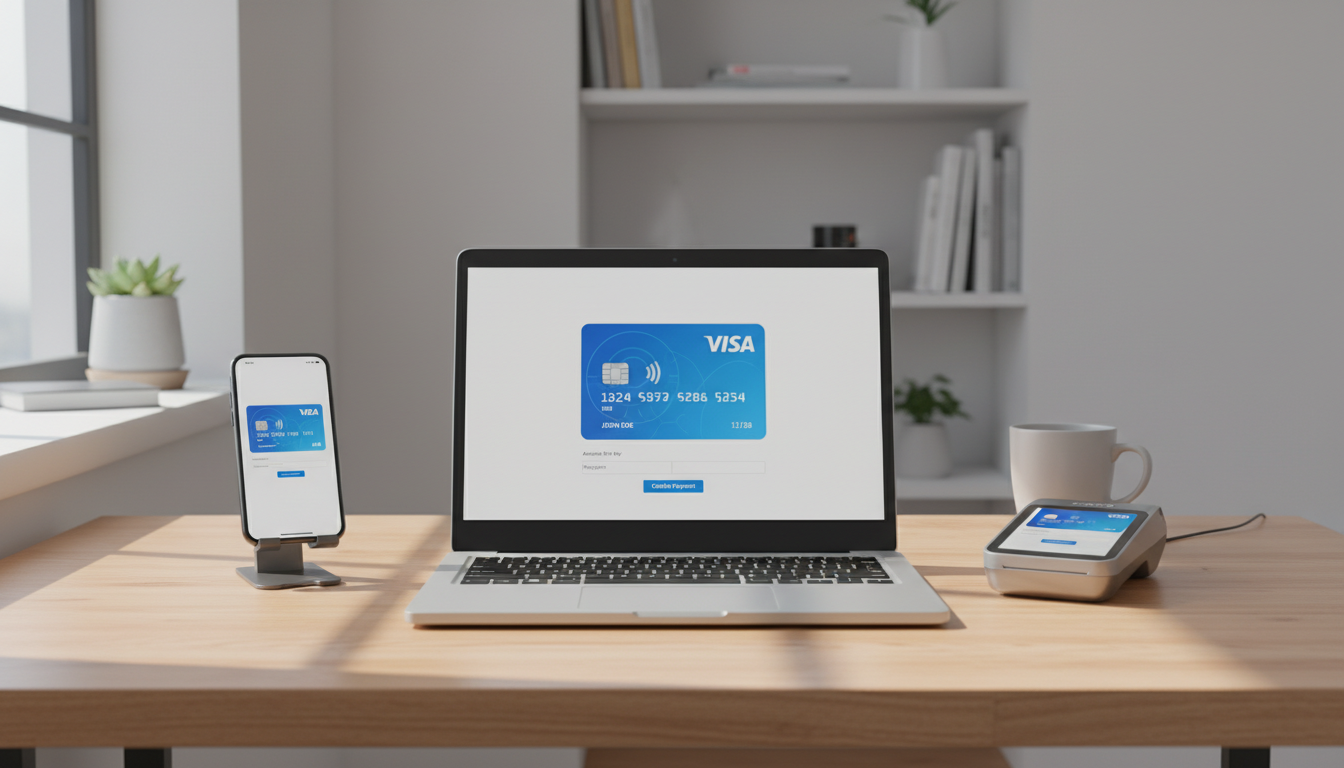
Oobit Revolutionizes USDT Spending
Oobit has launched a new product line that lets customers spend USDT using virtual Visa credentials, positioning the rollout as a payments upgrade rather than a trading feature. Today, the company framed the move as a practical bridge between stablecoins and everyday card acceptance. In its announcement, Oobit described USDT virtual Visa cards as a tool for faster checkout while keeping settlement in digital dollars. The Live availability of virtual issuance means users can start paying without waiting for a physical card to arrive. The company also said an Update cadence will follow as more regions, limits, and issuer configurations are added through its partners. The product is aimed at routine commerce, not on chain speculation.
How Virtual Visa Cards Work with USDT
The launch is built around the idea that a stablecoin balance can be presented to merchants as a standard card payment, while the user experience stays familiar. Today, Oobit said the virtual card details can be provisioned quickly and used online where Visa is accepted, with the stablecoin conversion handled behind the scenes through its payments stack. A related Live theme is AI agent commerce, where automated software can initiate small, repeat purchases under controlled rules, and CoinDesk detailed this broader AI agent push in crypto markets, providing context for Oobit’s timing in CoinDesk coverage of an AI agent forming a company. For macro context on dollar rails, see how How Trump-era Decisions Shook Dollar Stability frames the stability debate. Oobit said an Update process will refine controls and merchant category handling.
Implications for Stablecoin Transactions
The immediate implication is that stablecoin payments can move into more standard merchant flows without requiring the merchant to integrate blockchain settlement. Oobit’s messaging emphasized compatibility and consumer style protections that are familiar in card ecosystems, while the value side remains in Tether denominated units. In practice, USDT virtual Visa cards can reduce friction for users who already hold stablecoins and want to spend rather than cash out through exchanges. Live payment authorization still relies on the card network’s risk checks, even if the funding source is digital dollars. Oobit also signaled an Update roadmap around compliance tooling, including monitoring and controls aligned with card program requirements. The company did not publish new transaction volume figures in its launch statement, even as it described the rollout as available today.
Market Impact of Oobit’s New Offering
The market signal is that payment oriented stablecoin products are competing on distribution, not just yields or chain choice. Today, Oobit is effectively betting that Visa acceptance and virtual issuance can widen usage beyond crypto native merchants, while preserving the speed users expect. Coverage of stablecoin adoption trends has highlighted retail usage in certain corridors, including Stablecoins Overtake Bitcoin in Latin Purchases, which helps frame why card wrappers are gaining attention. For Live market context on risk appetite around crypto assets broadly, CoinDesk’s market desk noted shifting sentiment in CoinDesk Daybook on bitcoin and macro pressures. An Update for pricing, fees, and limits will determine whether this becomes a daily spend tool.
Future of Digital Payments with USDT
The longer term significance is the normalization of stablecoin payments inside mainstream checkout experiences, with card credentials acting as the interface layer. Oobit’s product also points to automated commerce, where software agents can execute payments under predefined constraints while keeping balances in stable value units. Today, that model depends on clear program rules, robust fraud controls, and transparent disclosures on how conversions and authorizations occur. The Live question for the sector is whether stablecoin spending will be measured by repeat merchant use, not downloads or wallet counts. Oobit said its next Update will focus on expanding usability and operational coverage through additional partners. The company’s framing suggests the goal is routine purchasing utility rather than speculative exposure.