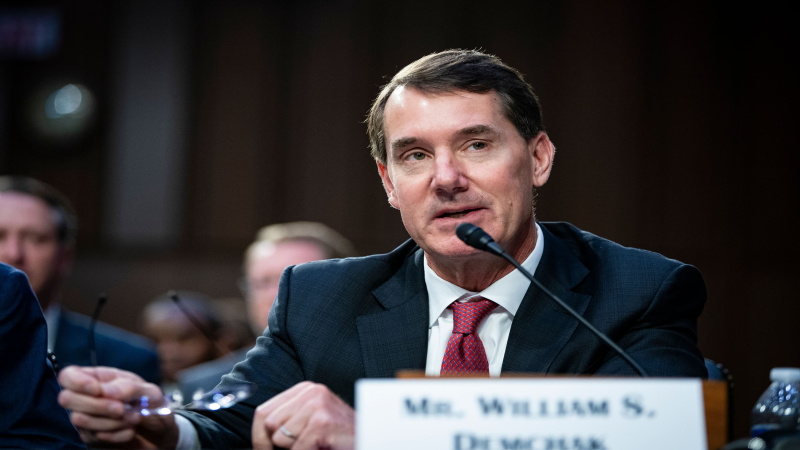
Crypto focused debate over stablecoin regulation intensified after comments from PNC Bank chief executive Bill Demchak, who warned that digital tokens cannot function simultaneously as payment instruments and investment products without stronger oversight. Speaking during the bank’s fourth quarter earnings call, Demchak argued that stablecoins were originally designed to move money efficiently rather than generate returns for holders. He cautioned that offering yield blurs that original purpose and creates regulatory risks that traditional financial institutions would not be permitted to take. As lawmakers continue to shape federal frameworks for digital assets, Demchak emphasized that clarity is essential to protect consumers and financial stability. His remarks reflect growing concern among large banks that some stablecoin models challenge long established boundaries between transactional money and regulated investment vehicles, particularly as adoption expands across payments, remittances, and digital commerce.
Demchak pointed specifically to ongoing legislative discussions in Washington, where proposals seek to define whether rewards or yield offered on stablecoins should be treated as interest. He said that once a stablecoin begins paying returns, it closely resembles a money market fund and should be regulated under comparable standards. In his view, allowing issuers to combine payment functionality with yield generation would give them an unfair advantage over banks and asset managers that operate under strict compliance rules. The debate has intensified as lawmakers attempt to balance innovation with safeguards, while parts of the crypto industry push for more flexible definitions. Demchak maintained that financial products performing similar economic functions should face consistent regulatory treatment regardless of whether they are issued by banks or blockchain based firms.
The comments highlight broader tension between traditional financial institutions and crypto companies as stablecoins grow in scale and influence. Banks have generally supported clearer distinctions between payment mechanisms and investment products, arguing that each serves a different role within the financial system. Demchak said institutions are not opposed to innovation but want a framework that prevents regulatory arbitrage and protects users. While PNC has explored blockchain applications for institutional clients in recent years, it has remained cautious about consumer facing crypto offerings. As stablecoin legislation evolves, industry leaders expect further debate over how these assets should be categorized, supervised, and integrated into the broader financial ecosystem.