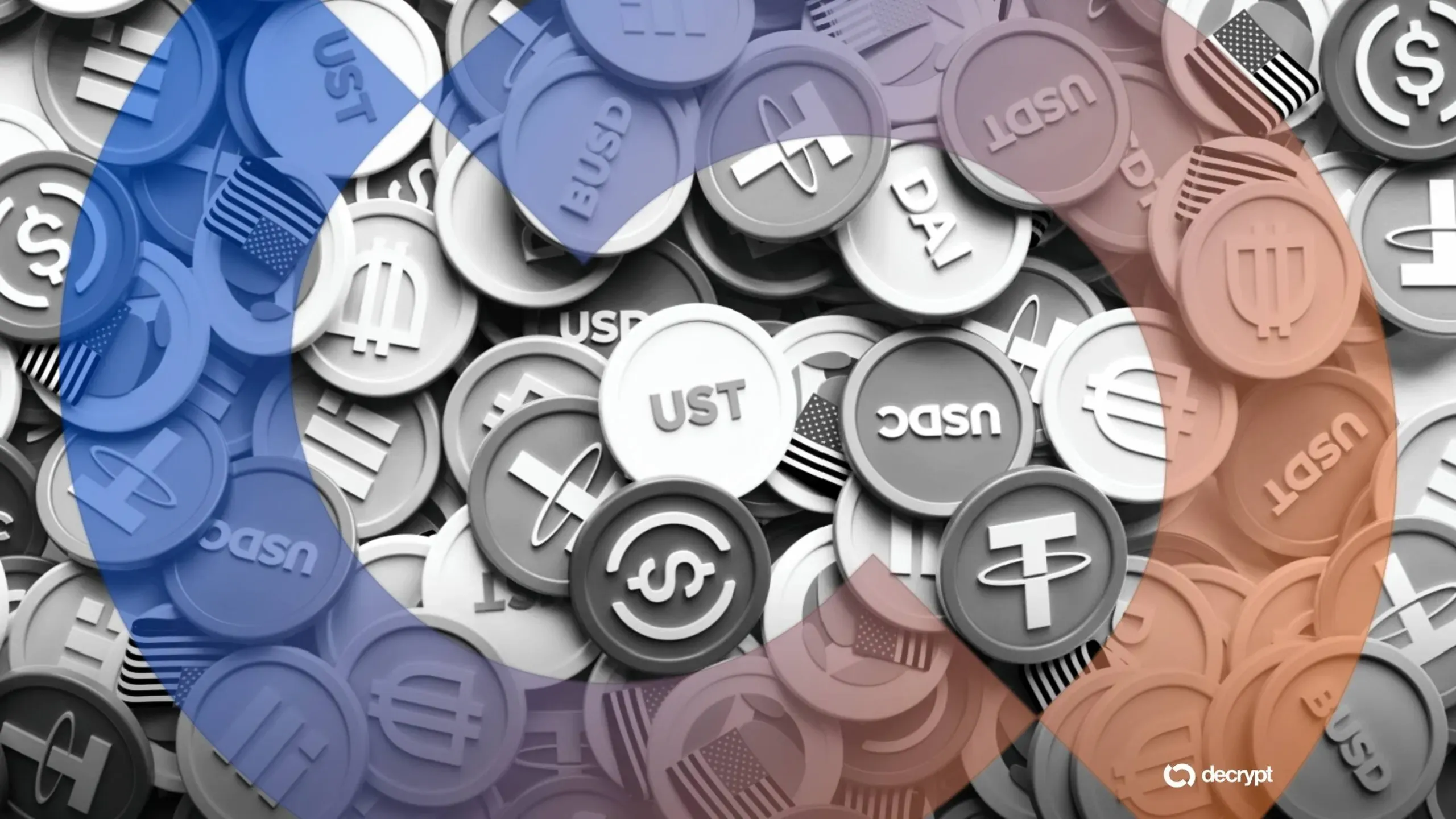
The global stablecoin supply surged to $314bn in 2025, rising by around $100bn over the year, as transaction activity rather than market capitalisation emerged as the key measure of influence in the sector.
Data from multiple blockchain analytics firms shows Tether remained the most active stablecoin by transaction volume, reinforcing its position at the centre of global crypto payments and trading. Despite ongoing regulatory scrutiny in some jurisdictions, USDT continued to dominate on-chain usage across multiple blockchains.
Behind Tether, Ripple’s RLUSD emerged as one of the fastest-growing stablecoins by activity, reflecting increasing adoption in payments and settlement use cases linked to Ripple’s enterprise network. Analysts said RLUSD’s rise highlighted growing demand for alternatives tied to established payment infrastructure.
Circle’s USDC also remained among the most widely used stablecoins, benefiting from its positioning as a regulated, transparent digital dollar. While USDC’s overall market share has fluctuated, its transaction volumes stayed strong in decentralised finance and institutional settlement.
One of the most notable developments of 2025 was the rapid rise of USD1, a stablecoin backed by entities linked to former US president Donald Trump. Launched in April, USD1 entered the top five stablecoins by transaction growth within months, according to industry data, marking one of the fastest adoption curves seen in the sector.
Analysts say USD1’s growth was driven by aggressive distribution strategies and political branding that attracted attention beyond traditional crypto audiences. However, questions remain about its long-term role as regulators continue to scrutinise politically affiliated financial products.
Overall, the data suggests that transaction velocity is becoming a more important indicator than headline market capitalisation. Several stablecoins with smaller supplies processed disproportionately high volumes, reflecting their integration into payments, remittances and on-chain commerce.
The rapid expansion of stablecoins in 2025 comes as regulators in the US, Europe and Asia move closer to formal frameworks governing issuance, reserves and disclosures. Industry participants say clearer rules could further accelerate adoption, particularly among institutions.
With stablecoins now deeply embedded in global crypto infrastructure, competition is increasingly focused on speed, cost and real-world usability rather than size alone. As 2026 approaches, analysts expect further consolidation alongside continued experimentation from both established issuers and new entrants.