Global stablecoin transaction volumes climbed to an all-time high of $33 trillion in 2025, marking a major milestone for digital dollar usage across payments, trading, and on-chain settlement. The surge represents a 72% increase from the previous year and reflects accelerating adoption of stablecoins as functional financial instruments rather than niche crypto tools. Market participants increasingly relied on stablecoins for moving value efficiently across borders, exchanges, and decentralized platforms, driven by improved infrastructure and growing institutional participation. A more favorable policy backdrop in the United States also played a role in boosting confidence, encouraging broader experimentation and usage of dollar-linked digital assets across both retail and enterprise applications.
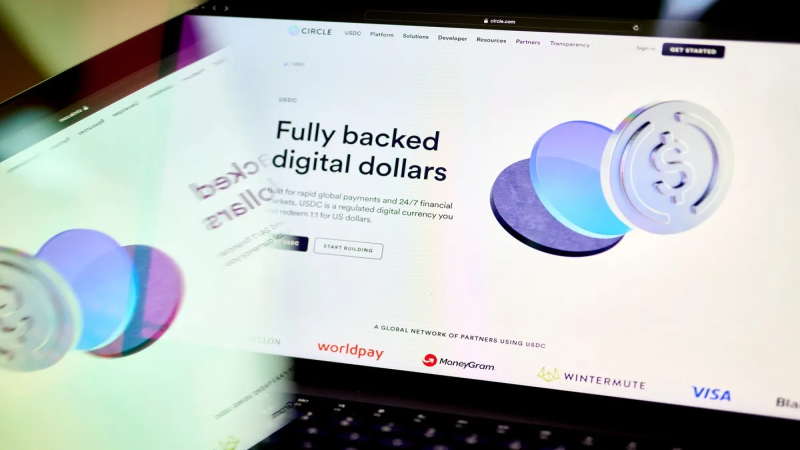
Data compiled by Artemis Analytics shows that USDC emerged as the most actively used stablecoin by transaction volume during the year. The digital dollar issued by Circle Internet Group processed approximately $18.3 trillion in transactions, reflecting its expanding role in regulated markets and institutional settlement flows. Tether Holdings’s USDT followed closely with $13.3 trillion in transaction volume, maintaining its dominance across global exchanges and emerging markets. Together, the two stablecoins accounted for the majority of activity, underscoring a market increasingly concentrated around a small number of highly liquid, widely accepted digital dollars.
The record transaction levels highlight how stablecoins are becoming embedded within the global financial system as neutral settlement layers operating alongside traditional rails. Analysts note that beyond trading activity, usage has expanded into remittances, treasury management, and real-time payments, particularly in regions facing currency volatility or limited banking access. As transaction volumes grow, attention is shifting toward scalability, transparency, and regulatory alignment, factors expected to shape the next phase of stablecoin development. The data suggests that stablecoins are no longer peripheral to crypto markets but are evolving into core infrastructure supporting digital commerce and cross-border capital flows.