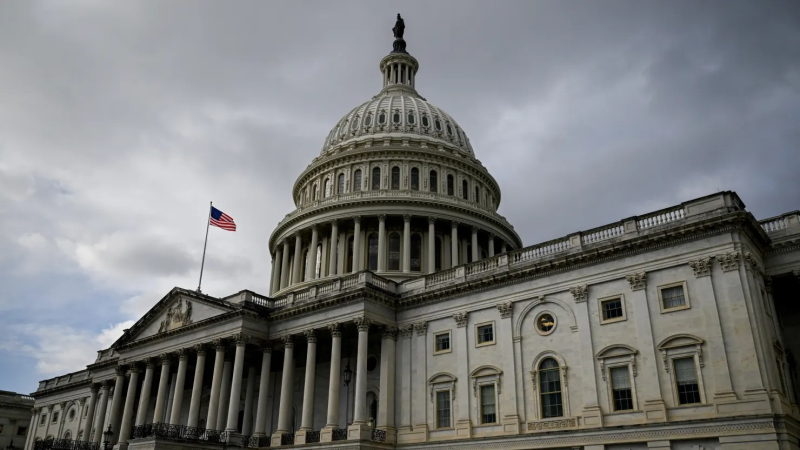
US lawmakers are preparing to revive efforts to pass a comprehensive crypto market structure bill as congressional committees reopen debate on digital asset regulation. The Senate Agriculture Committee and Senate Banking Committee are expected to hold hearings this week to refine their respective sections of the legislation, which aims to establish clearer regulatory boundaries for the crypto sector. The proposed framework, often referred to as the Clarity Act, is designed to define the roles of the Securities and Exchange Commission and the Commodity Futures Trading Commission while introducing more precise classifications for crypto tokens. Supporters argue that clearer rules would provide certainty for exchanges, issuers, and service providers, encouraging companies to expand operations in the United States rather than shifting activity offshore. The renewed effort follows stalled progress last year and reflects growing recognition in Washington that digital assets require tailored oversight rather than reliance on existing securities and commodities laws.
A central focus of negotiations is the treatment of stablecoins, particularly whether issuers or affiliated platforms should be allowed to offer rewards or yield like features to users. Lawmakers from both parties have signaled that stablecoin incentives will be directly addressed in the bill, following pressure from banking groups concerned about competition with traditional deposits. Industry advocates say the outcome will shape how dollar pegged tokens integrate into the broader financial system. The bill is also expected to address decentralized finance, including whether developers could face liability when open source protocols are used for illicit purposes. Crypto policy groups have pushed for language that protects software developers and preserves the right to self custody, arguing that compliance obligations should apply to intermediaries rather than neutral code.
If committee drafts advance, the two versions would be merged into a single bill and sent to the Senate floor for debate, a process that could extend over several weeks. Backers of the legislation see early 2026 as a critical window, with midterm elections later in the year potentially reshaping congressional priorities. Some lawmakers have also raised concerns about elected officials profiting from crypto ventures while in office, signaling that ethics provisions could be folded into the final text. While the bill’s exact impact will depend on its final language, its passage would mark a significant step toward a unified federal framework for digital assets, influencing market confidence, investment decisions, and the future role of crypto and stablecoins in the US financial system.