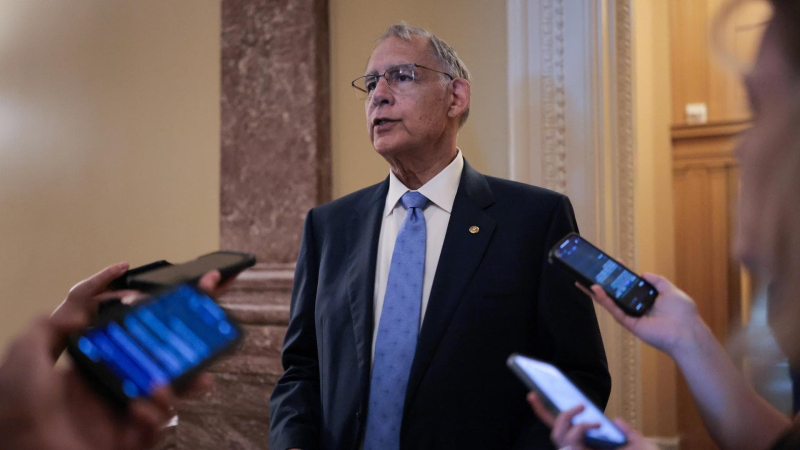
US lawmakers are preparing to unveil a new draft of crypto market structure legislation, with industry participants expecting a proposal that largely favors the digital asset sector but may lack bipartisan backing. The upcoming draft from the Senate Agriculture Committee is anticipated to include provisions shielding crypto developers from being treated as regulated financial institutions, a long standing demand from the industry. However, insiders familiar with the discussions say the bill may advance primarily with Republican support, raising concerns about its ability to clear the Senate as a whole. Under Senate rules, broad bipartisan backing is typically required for major legislation to move forward. While negotiations between lawmakers are still ongoing, the expectation of a partisan rollout has prompted renewed lobbying efforts from crypto advocates who fear that a divided Congress could delay or dilute years of work aimed at achieving regulatory clarity.
The Agriculture Committee is scheduled to hold a markup hearing next week, a critical step in determining whether the bill advances to the full Senate. This committee oversees commodities markets and is handling aspects of crypto regulation that differ from securities focused discussions held by the Senate Banking Committee. A separate banking focused draft stalled recently after disagreements among Democrats, Republicans, regulators, and industry participants, highlighting the complexity of aligning interests across jurisdictions. The agriculture version is expected to avoid some of the most contentious issues raised in earlier negotiations, including stablecoin yield restrictions and illicit finance provisions. Still, passing through two committees remains mandatory before any unified bill can reach the Senate floor, making coordination between competing drafts essential for progress.
Democratic lawmakers have continued to push for stronger consumer protections, ethics safeguards, and clearer regulatory appointments, arguing that these elements are necessary to legitimize the crypto market. Some Republicans have also raised concerns, particularly around liability protections and the role of additional committees in shaping the final text. Industry observers note that even if the agriculture draft advances quickly, further negotiations are likely once both committee versions need to be merged. The bill’s trajectory will also depend on how lawmakers resolve debates around decentralized finance, stablecoins, and oversight authority. While political momentum around crypto regulation has increased, the path forward remains complex, with timing and bipartisan compromise set to determine whether the legislation delivers meaningful certainty or extends regulatory uncertainty into another year.