USDT Premium in India: What the 8.5% Spike Signals
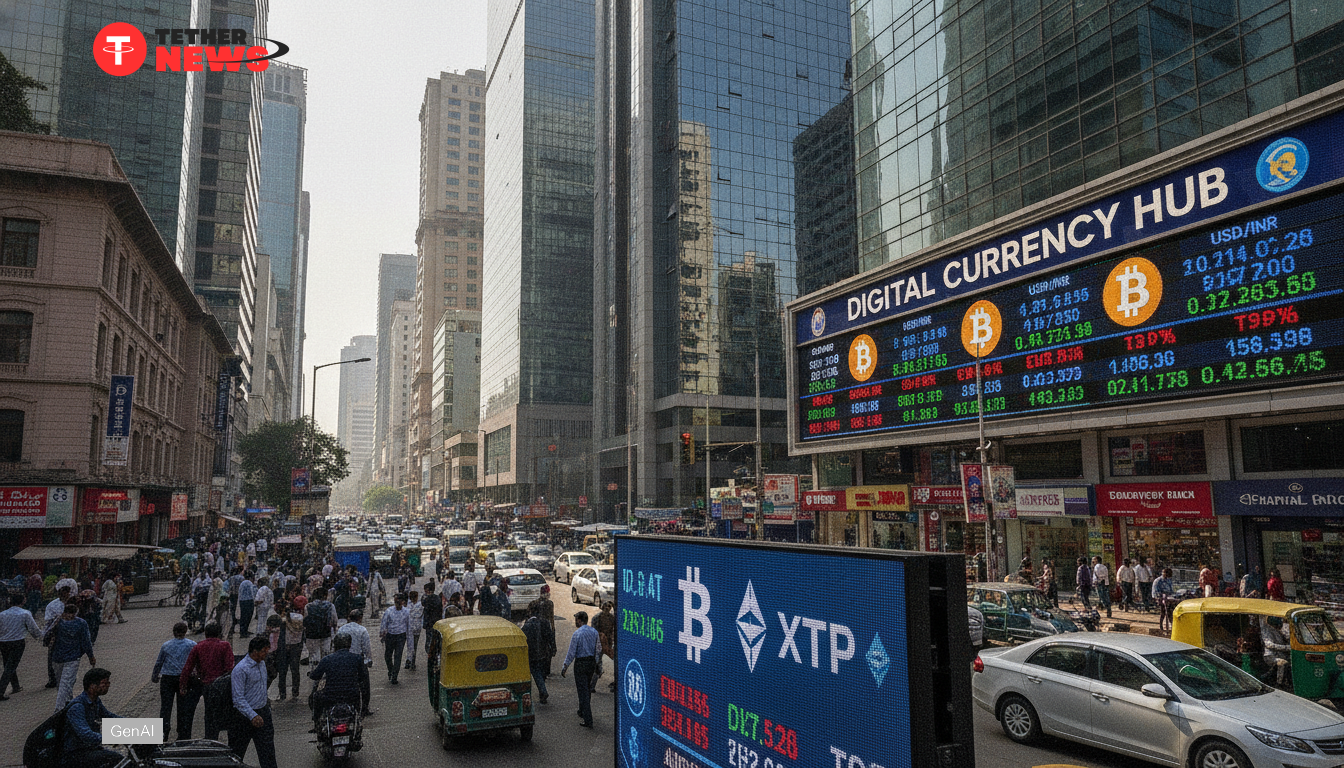
The USDT premium in India has surged as access to dollar-linked liquidity tightened on local crypto rails. In a note cited by The Block, the premium briefly topped 8.5%, meaning buyers paid materially more for USDT than offshore benchmarks. That gap matters because USDT is widely used as a dollar proxy for settlement, pricing, and short-horizon hedging. Local desks tracking the btc usdt price reported wider spreads and thinner depth versus global venues, raising effective conversion costs from rupees into a stablecoin. For import payments, gig payouts, and small cross-border transfers, the spike turns a normally low-friction token into a more expensive input for routine commerce.
Why Remittance Checks Tightened and Supply Thinned
According to available reports from The Block, the pricing move may be tied to tighter compliance scrutiny around crypto-linked remittance flows, which could have reduced how quickly stablecoins were replenished domestically. When inflows slow, market makers might need to ration inventory and reprice risk, potentially lifting quotes for USDT and related pairs. This appears to be the mechanism behind the USDT premium in India: demand stays steady while the sell-side becomes intermittent. For broader context on how macro and liquidity shocks can ripple into crypto pricing, see Bitcoin Price Drop to $58K Amid US PCE Inflation Surprises. Participants also reported more frequent gaps during active trading windows, with conversions taking longer and settlement certainty becoming a differentiator.
How Trading Desks Price the Premium Across Major Pairs
With replenishment less predictable, intermediaries have had to bake execution risk into quotes. That shows up as higher offered prices for USDT, plus more dispersion across liquid pairs when order books thin. Traders cited episodes where the eth usdt price and xrp usdt price on local markets diverged more from global indices than usual, particularly during bursts of demand. The USDT premium in India can persist even if offshore dollar liquidity is stable, because the constraint is local convertibility and inventory turnover. Larger buyers may split orders or accept worse fills, while smaller users face a higher all-in cost just to obtain a dollar-linked settlement asset.
Regulatory Pressure Points and Market Spillovers
Regulators typically focus on fiat on-ramps and off-ramps, where compliance can be enforced most directly. The Block’s framing of the remittance crackdown suggests the premium may reflect constraints on inflows more than a sudden wave of speculation. This dynamic is not isolated to India: regulatory deadlines elsewhere have potentially redirected stablecoin liquidity. CoinDesk has described Europe’s changing platform access in MiCA’s looming deadline could leave 10 million crypto users without a platform in the EU, while related coverage notes how compliance can shift USDT availability in USDT delisting in EU: MiCA shifts liquidity to USDC. As oversight increases, stablecoin pricing often becomes a real-time proxy for regulatory friction.
Outlook: When the Premium Could Normalize
Whether the premium remains elevated depends on how quickly compliant liquidity channels scale relative to ongoing demand from businesses and individuals seeking dollar-linked settlement. If access stays constrained, the market may keep pricing a buffer for settlement delays, counterparty checks, and replenishment uncertainty. Any normalization would likely appear first as tighter spreads and closer tracking between local and global indices for major pairs like the btc usdt price. Over time, users may diversify into other regulated options where redemption and access are more consistent, and the USDT premium in India will likely be watched closely after June 2026’s 8.5% print. Meanwhile, growth in USDT usage globally continues to influence flows, as outlined in Tether USDT Volume Tops $100B, Redefining Stablecoins and USDT High Transaction Volume Tops $100B in 525 Days.