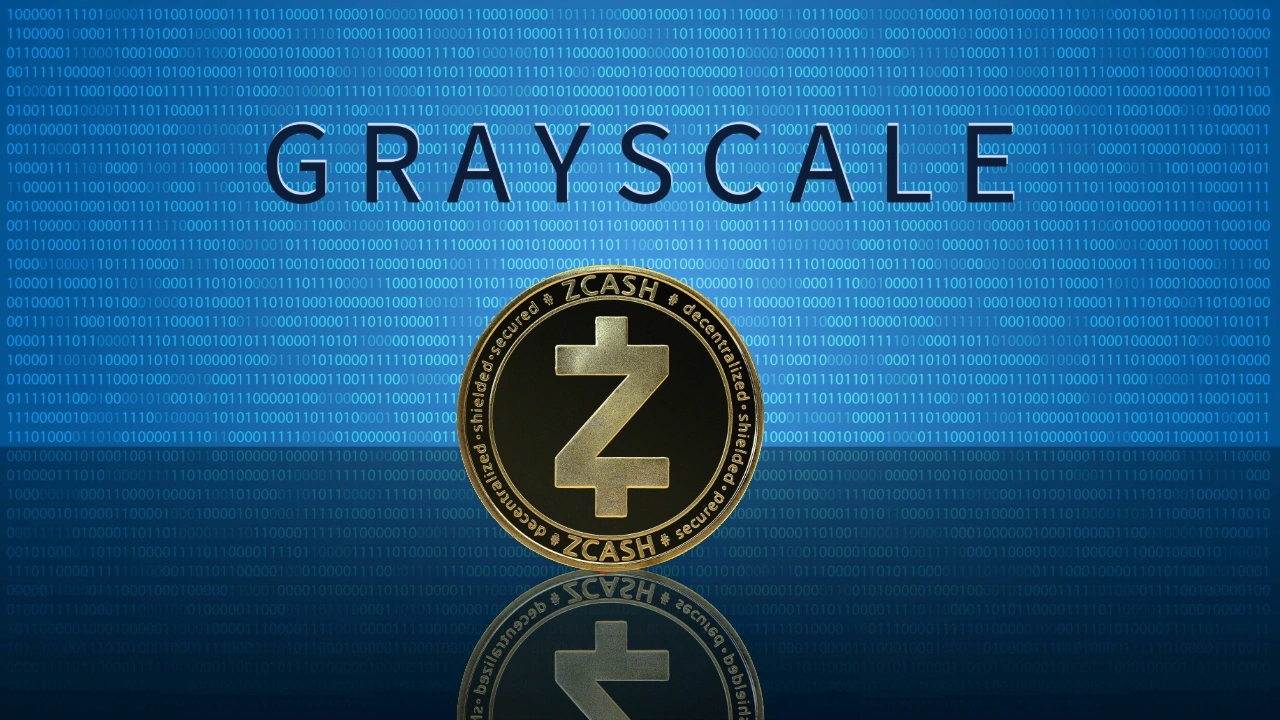
Grayscale Investments has identified Zcash as a potentially undervalued digital asset, arguing that rising artificial intelligence driven surveillance and increasing blockchain transparency could elevate financial privacy into a core feature of digital finance. The firm suggests that the current market does not fully reflect the growing importance of confidential transactions, particularly as global financial systems become more data intensive. This positioning frames Zcash as a strategic exposure to a structural shift where privacy becomes a primary consideration rather than a niche requirement.
Zcash operates using advanced cryptographic techniques, including zero knowledge proofs, allowing users to shield transaction details such as sender, receiver, and amount while maintaining network integrity. This capability differentiates it from more transparent blockchain systems, positioning it as a closer representation of digital cash in an otherwise traceable ecosystem. The asset has existed for nearly a decade, but recent increases in shielded transaction usage and renewed capital allocation toward development and mining infrastructure indicate a potential resurgence in its adoption cycle.
Market performance for Zcash has historically been tied to narrative driven cycles, with strong rallies during periods when privacy becomes a focal point for investors. In late 2025, the asset experienced a sharp surge, significantly outperforming broader market benchmarks before retracing more than 60 percent as momentum shifted back toward larger assets such as bitcoin. Despite this volatility, the asset continues to maintain active onchain usage, suggesting that underlying demand for privacy focused transactions remains present even during periods of reduced market attention.
Grayscale highlights that Zcash currently represents a very small share of the overall cryptocurrency market, accounting for only a fraction of the total value attributed to digital currency assets. This limited market share reflects prevailing assumptions that privacy will remain a secondary feature within crypto ecosystems. However, if regulatory environments and technological trends shift toward prioritizing confidentiality, even marginal changes in perception could lead to significant repricing. The firm points to increasing use of shielded transactions as evidence that privacy demand is already embedded within user behavior.
The broader context includes a growing intersection between artificial intelligence, data surveillance, and financial systems, where transparency can create unintended exposure for users and institutions. In such an environment, assets designed with built in confidentiality may gain strategic importance. While the outlook presents upside potential, risks remain tied to regulatory uncertainty, technical complexity, and evolving security considerations. As the digital asset landscape adapts to these pressures, privacy focused cryptocurrencies may play a more defined role in shaping the next phase of decentralized finance.