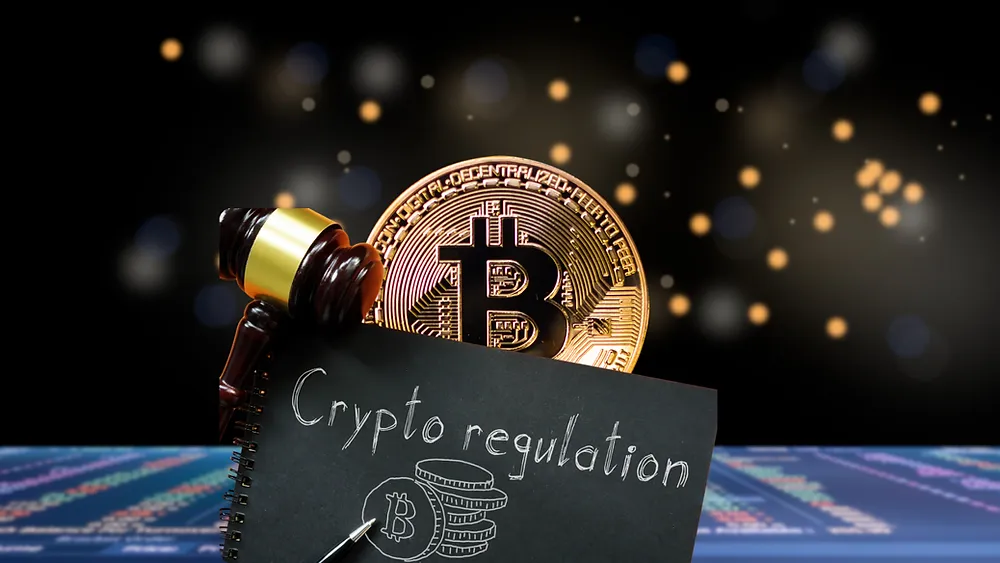
As blockchain technology continues to evolve, regulation has quickly become one of the most important topics for newcomers entering the crypto space. Governments around the world are introducing new rules to keep up with rapid innovation, and understanding these changes is essential for anyone using or investing in digital assets. While the regulatory landscape may seem complex at first, learning the basics can help beginners stay safe, compliant and informed.
Crypto markets are no longer operating in a regulatory vacuum. Exchanges, wallets, stablecoin issuers and decentralized projects all face growing oversight. This shift aims to protect consumers, reduce financial crime and create a safer environment for adoption. For beginners, knowing the foundational elements of blockchain regulation helps build confidence and improves decision-making.
Regulation Isn’t Meant to Kill Crypto — It’s Meant to Protect Users
The most important thing beginners should know is that regulation is not designed to shut down the crypto industry. Instead, it’s meant to create safer conditions for users and reduce risks associated with scams, fraud and unregulated markets. Governments recognize the potential of digital assets and want to ensure that they can operate within secure, transparent frameworks.
Regulation helps establish standards for how exchanges operate, how tokens are issued and how customer funds are protected. These rules promote trust within the ecosystem and encourage more people and institutions to participate. Without regulation, users could face higher risks from unverified projects or platforms with weak security controls.
In many countries, the introduction of clear crypto rules has helped legitimize the industry. Exchanges with proper licensing and compliance practices are becoming more reliable, and stablecoin issuers are now required to maintain transparent reserves. For beginners, this means safer options and better protection.
KYC and AML Rules Are Standard Across Most Platforms
Know-Your-Customer (KYC) and Anti-Money-Laundering (AML) checks are now required on most centralized platforms. These procedures verify user identity to help prevent illegal activities such as money laundering or fraudulent transactions. Beginners should expect to submit identification when signing up for major exchanges or financial services built around crypto.
KYC may seem inconvenient, but it adds an important layer of security. By verifying users, exchanges can better protect accounts, comply with the law and offer safer trading environments. It also helps prevent identity theft and ensures platforms operate responsibly.
AML rules require platforms to monitor suspicious transactions and report them when necessary. These measures help ensure stable and lawful operations in the digital asset space. For beginners, this means choosing platforms that comply with regulatory standards is often the safest path.
Tax Obligations Apply to Crypto in Most Countries
Another key element of blockchain regulation is taxation. In many places, crypto transactions are subject to capital gains or income tax depending on how the assets are used. Beginners should understand that buying, selling, trading or earning crypto may create taxable events.
The specifics vary by country, but most tax authorities require users to report crypto-related profits. This means keeping records of transactions is essential for staying compliant. Exchanges often provide transaction histories to help users file accurate tax reports.
Learning the basics of crypto taxation early on prevents headaches later. Many users rely on crypto tax software or professional assistance to ensure they meet their obligations. Following tax rules also helps establish crypto as a legitimate financial sector.
Regulations Differ Across Countries, So Always Check Local Laws
Crypto regulation is not uniform around the world. Some countries embrace digital assets with open frameworks, while others impose strict limitations or bans. Beginners must be aware of the rules in their own region to ensure they are using crypto legally.
In countries with progressive crypto frameworks, users benefit from clearer rules regarding trading, custody, stablecoins and decentralized finance. These environments tend to support innovation while maintaining consumer protection. In more restrictive regions, access to exchanges or certain assets may be limited.
Because the regulatory environment continues to evolve, it’s important for beginners to stay updated. Following credible news sources, official announcements and local regulatory guidance helps users navigate these changes responsibly.
DeFi Is More Challenging for Regulators, but Oversight Is Increasing
Decentralized finance operates differently from centralized platforms, making it harder for regulators to apply traditional rules. DeFi protocols run on smart contracts and do not rely on intermediaries, which challenges established compliance models.
However, regulators are exploring ways to introduce transparency and consumer safeguards without disrupting decentralization. This includes encouraging audits, promoting risk disclosures and requiring certain gateways—like centralized interfaces—to follow compliance standards.
For beginners entering DeFi, understanding risks is crucial. DeFi may offer exciting opportunities, but users must take responsibility for security, research and decision-making. Regulatory oversight is growing, but it has not yet reached the level of centralized platforms.
Conclusion
Blockchain regulation is rapidly evolving, but beginners who understand the basics can navigate the crypto space with confidence. From user protection and KYC requirements to tax obligations and regional differences, regulations play a major role in shaping safe and reliable digital markets. As governments refine their frameworks, staying informed will help users take advantage of opportunities while avoiding unnecessary risks.