Tether Ventures into European Robotics
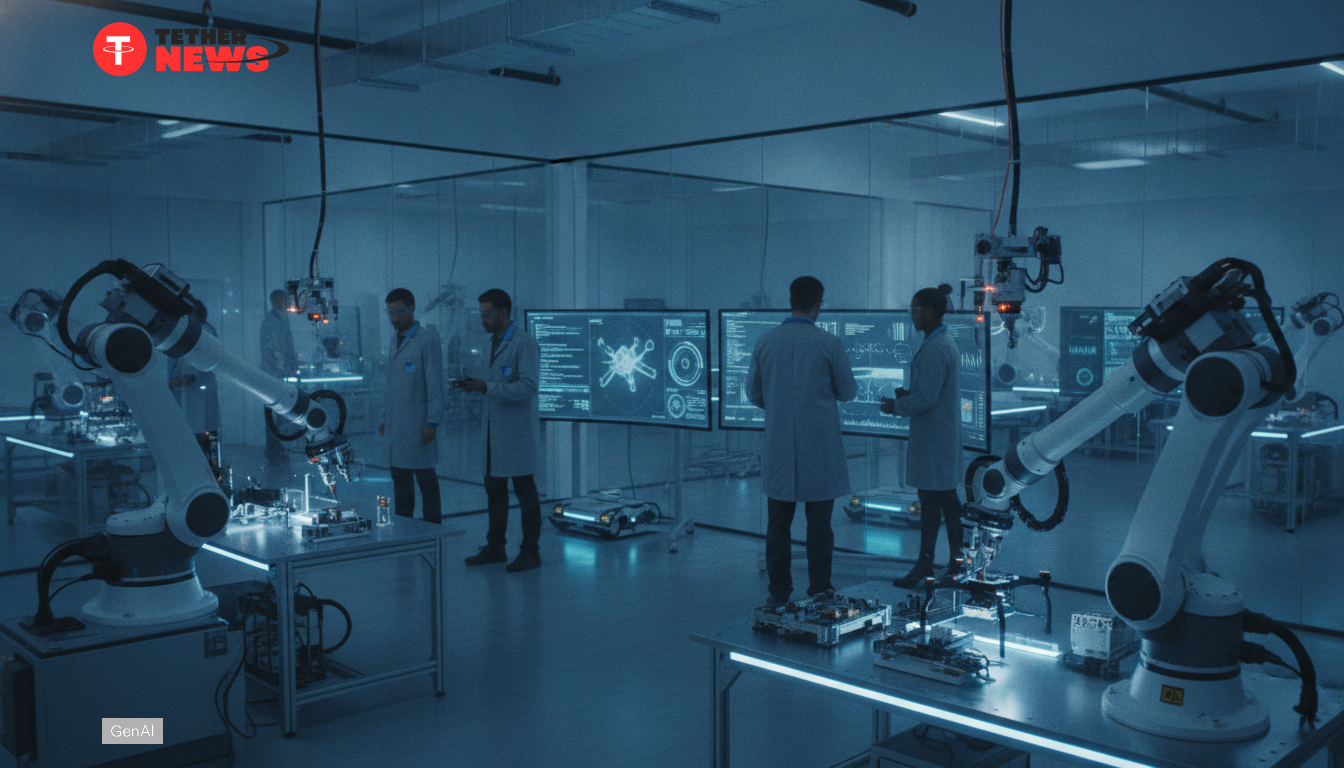
The Tether commitment to German robotics firm Neura is reported to be one of the largest by a stablecoin issuer into industrial automation. According to CoinDesk, Tether led a $1.4 billion funding round for Neura, marking a shift from token markets to manufacturing scale, hardware deployment, and enterprise sales execution. Rather than acting as a passive holder of financial assets, this investment positions Tether as a lead backer linked to commercialization milestones and potential long-term operating outcomes. The report focused on the headline size and Tether’s lead involvement, while specific valuation details remain undisclosed.
Potential Impact of the $1.4 Billion Round on Robotics
The substantial funding could impact how swiftly Neura progresses from limited deployments to widespread enterprise adoption in warehouses, hospitals, and factories. A raise of this scale may support hiring, supplier contracts, testing capacity, and production ramp decisions that smaller late-stage rounds might struggle to cover, particularly when liquidity tightens during high-demand periods as noted in SpaceX IPO Demand Tightens Crypto and Tech Liquidity. For the broader robotics sector, the involvement of nontraditional sponsors like crypto-linked firms suggests they may contend with strategic investors and late-stage ventures for shares in industrial automation leaders. Funding competition across tech categories remains significant.
Stablecoin Capital and Tether’s Strategy
This financing round highlights stablecoin expansion as a strategy where cash flows and reserves-linked profits might be redirected towards long-term technology ventures. According to CoinDesk’s report, Tether’s role as lead investor suggests governance involvement and possibly a higher standard for reporting and performance compared to minority stakes. For more context on Tether’s position in the stablecoin market, readers can review market comparisons in Stablecoin season: Tether passes Ethereum in market cap. Regulatory and compliance factors also influence issuer operations across different regions, as outlined in EU MiCA architect weighs tokenization, DeFi regulation, emphasizing licensing and governance as firms expand beyond crypto-centric initiatives.
Neura’s Innovations and Market Expectations
Neura’s appeal to investors is linked to product development, safety systems, and integration into existing industrial workflows rather than requiring entirely new setups. While the CoinDesk report did not outline a comprehensive technical roadmap, the scale of Tether’s backing may heighten scrutiny on measurable milestones like manufacturing throughput, warranty performance, service coverage, and operational uptime. In Europe, compliance expectations can dictate how robotics telemetry and operational data are managed, and EU crypto regulation targets 11 Russia-linked platforms demonstrates how rapidly regulatory attention can escalate across tech sectors. Neura’s subsequent disclosures will probably be evaluated against industrial KPIs as much as demonstrations.
Global Financial Considerations for Crypto-Linked Investors
A $1.4 billion lead round illustrates how capital formation might be evolving as stablecoin-linked firms invest in traditional industries. Tether’s involvement could influence competitive dynamics for other robotics firms seeking growth capital on similar timelines, as a substantial new entrant may realign expectations around pricing, follow-on capacity, and deal terms. For those interested in primary source details on the round, CoinDesk’s report offers further insights. It might also increase attention on risk management, disclosures, and governance standards for entities with a core product being a globally used dollar-pegged instrument.