Bitcoin miners around the world are accelerating infrastructure upgrades as the network approaches a projected difficulty increase in 2025. With mining becoming more competitive each year, operators are investing in new hardware, energy efficient facilities, and advanced optimization tools to maintain profitability. The push for modernization reflects a broader shift in the mining sector as rising energy costs and global competition drive miners toward more sophisticated strategies.
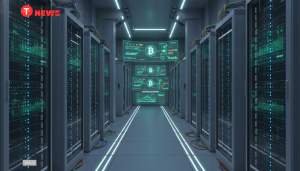
These upgrades also highlight the growing industrialization of Bitcoin mining, transforming what was once a hobbyist activity into a capital intensive global business. Companies are expanding data centers, integrating smarter power management systems, and enhancing cooling technology to cope with increasing hardware demands. As difficulty rises, miners must adapt quickly or risk falling behind in an increasingly demanding environment.
Next generation hardware adoption accelerates ahead of rising difficulty
One of the biggest developments in the mining sector is the rapid adoption of next generation ASIC hardware designed to deliver higher efficiency at lower energy costs. Manufacturers have released new models capable of performing significantly more hashes per watt, giving mining farms a crucial advantage as difficulty climbs.
Operators are replacing older machines that are no longer profitable under current network conditions. The transition is driving a global upgrade cycle that affects both large scale industrial sites and smaller operations. By adopting cutting edge hardware early, miners gain a competitive edge that may determine long term survival in a tightening market.
Energy optimization becomes essential for profitability
Energy efficiency is now one of the most important factors determining mining success. With electricity costs fluctuating worldwide, miners are turning to renewable power agreements, advanced grid management solutions, and localized energy sourcing to stabilize operating expenses. Solar, wind, and hydroelectric installations are becoming more common among large mining facilities.
Some operators are integrating AI driven energy management tools that optimize power usage in real time. These systems adjust machine performance based on grid conditions and market pricing, reducing unnecessary consumption. As environmental regulations tighten and energy markets remain volatile, miners that prioritize sustainable operations are positioning themselves for long term resilience.
Cooling and infrastructure upgrades improve operational stability
As hardware becomes more powerful, maintaining stable temperatures is increasingly challenging. Miners are investing heavily in upgraded cooling systems, including immersion cooling technologies that submerge hardware in specially designed liquids. This method reduces heat more efficiently than traditional air cooling and can extend the lifespan of high performance ASICs.
Infrastructure improvements also include redesigned facility layouts, optimized airflow systems, and advanced monitoring tools that track machine health. These upgrades reduce downtime and minimize hardware failures, ensuring consistent hash rate delivery. For miners facing rising difficulty, operational stability is essential to maintaining profitability and avoiding unexpected losses.
Mining pool diversification grows as competition intensifies
Another major trend shaping the mining landscape is the increasing diversification of mining pool participation. Operators are spreading hash power across multiple pools to reduce risk and improve payout consistency. This diversification helps protect miners from pool outages, fee changes, or unfavorable reward structures.
The shift also reflects a broader emphasis on decentralization within the Bitcoin network. Many miners are choosing pools that support transparent reporting, fair share distribution, and community oriented governance. As competition rises, mining pools are introducing better incentives and improved user tools to attract long term participants.
Regulatory awareness strengthens as governments monitor mining activity
Governments and regulatory bodies continue to monitor mining operations more closely as Bitcoin becomes increasingly integrated into global financial systems. Some jurisdictions are introducing clearer guidelines on energy usage, environmental impact, and data center compliance. Miners are responding by enhancing reporting practices and aligning operations with emerging standards.
Regulation remains a key factor influencing where mining facilities choose to operate. Regions with stable energy pricing, supportive policies, and strong infrastructure are attracting new investments, while areas introducing restrictive rules are seeing miners relocate. As difficulty rises and competition tightens, regulatory stability plays a crucial role in shaping the global distribution of mining power.
Conclusion
Bitcoin miners are entering a critical phase as they prepare for the projected difficulty increase in 2025. With new hardware, upgraded facilities, smarter energy systems, and improved operational strategies, the industry is adapting to maintain profitability in a more competitive environment. These advancements highlight the ongoing evolution of Bitcoin mining and its growing importance within the digital asset ecosystem.