Brazil’s Regulatory Actions Against Crypto
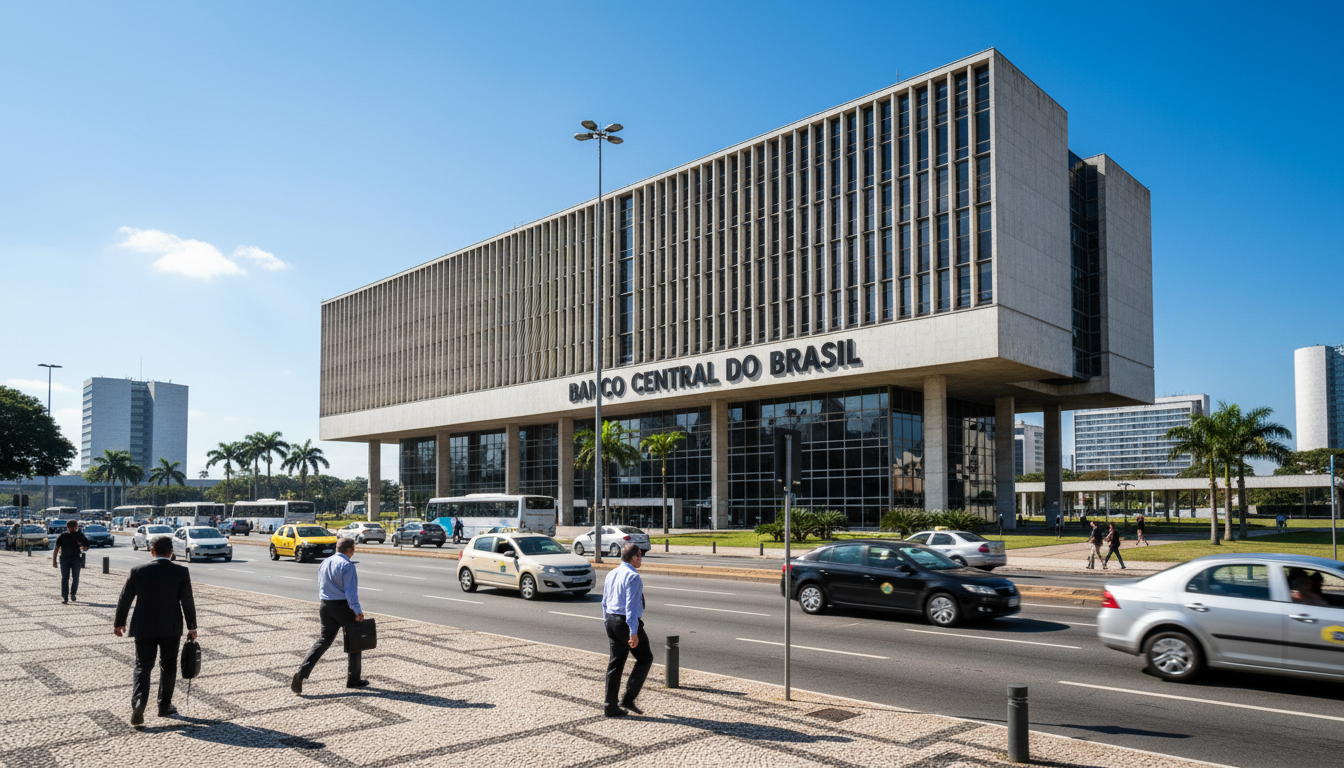
Regulators in Brasilia moved to block the use of crypto assets for settlement inside regulated cross-border payment infrastructure, tightening how licensed institutions can route international transfers. The Brazil central bank framed the step as a prudential boundary that separates supervised payment rails from volatile tokens and privately issued instruments. Today, compliance teams at banks and payment institutions are reviewing settlement workflows to ensure no crypto leg sits inside the regulated chain, and Live monitoring is being expanded for correspondent activity. The authority said the restriction targets settlement within the regulated system, not lawful crypto trading on separate venues, and institutions must adjust controls quickly.
Implications for Cross-Border Transactions
For firms that had been experimenting with token-based settlement to speed cross-border payments, the immediate impact is operational, not theoretical, because regulated rails now need fiat finality end to end. An Update circulated to payment participants emphasized that licensed entities must keep crypto outside regulated settlement, pushing some pilots back toward traditional correspondent banking and onshore FX conversion. Today, treasury desks are recalculating costs and cut off times for remittances and B2B flows, while Live incident response teams are checking whether any vendor stacks touch prohibited settlement paths. The policy context is also intersecting with broader dollar plumbing debates such as Dollar Dominance in 2025: Reserves, Trade, Policy, which payment executives cite when stress-testing liquidity needs.
Impact on the Crypto Market in Brazil
The restriction lands as local exchanges and brokers keep courting retail demand, but it narrows the role that crypto can play inside supervised payment plumbing, particularly for institutions that wanted faster settlement between jurisdictions. Market volatility remains a parallel concern, and CoinDesk noted shifting risk sentiment in global crypto pricing in Bitcoin bounces as big tech earnings fuel optimism; short-term pressures remain, a backdrop that supervisors often cite when drawing bright lines around settlement. Live price action can still pull liquidity toward tokens like USDT, but regulated entities must avoid using those assets for final settlement on supervised rails. An Update from compliance units is already prioritizing transaction screening, recordkeeping, and vendor attestations.
Comparative Analysis with Other Countries
Brazilian officials are signaling a familiar supervisory posture, allowing crypto activity in defined channels while protecting systemically important payments from settlement risk, a stance mirrored in other jurisdictions debating crypto oversight. Europe’s eu crypto regulation under MiCA sets conduct and reserve expectations for certain issuers and service providers, yet payment supervisors still emphasize clarity on what constitutes final settlement in regulated systems. Today, cross-border firms operating in multiple regions are mapping rule conflicts and building separate rails for token activity versus regulated payment legs. Live regulatory tracking has become a day to day function at multinational fintechs, particularly where stablecoin use overlaps with consumer remittances. For context on enforcement style around stablecoins and controls, see Tether donation scrutiny tests UK crypto oversight, which highlights the scrutiny regulators apply to governance and compliance signals.
Future Prospects and Industry Reactions
Industry reaction in Brazil has been pragmatic, with banks and payment institutions focusing on rewriting contracts, updating settlement instructions, and documenting how any crypto exposure is ring-fenced from regulated rails. The Brazil central bank is expected to press for demonstrable controls, including audit trails and vendor due diligence, and supervisors may request evidence through targeted examinations. Today, legal teams are drafting new policy language for treasury and payments operations, and Live dashboards are being tuned to flag any prohibited routing patterns in real time. An Update from risk committees is also reshaping product roadmaps, steering innovation toward compliant messaging layers, FX transparency, and faster domestic settlement while leaving token settlement to unregulated or separately regulated venues.