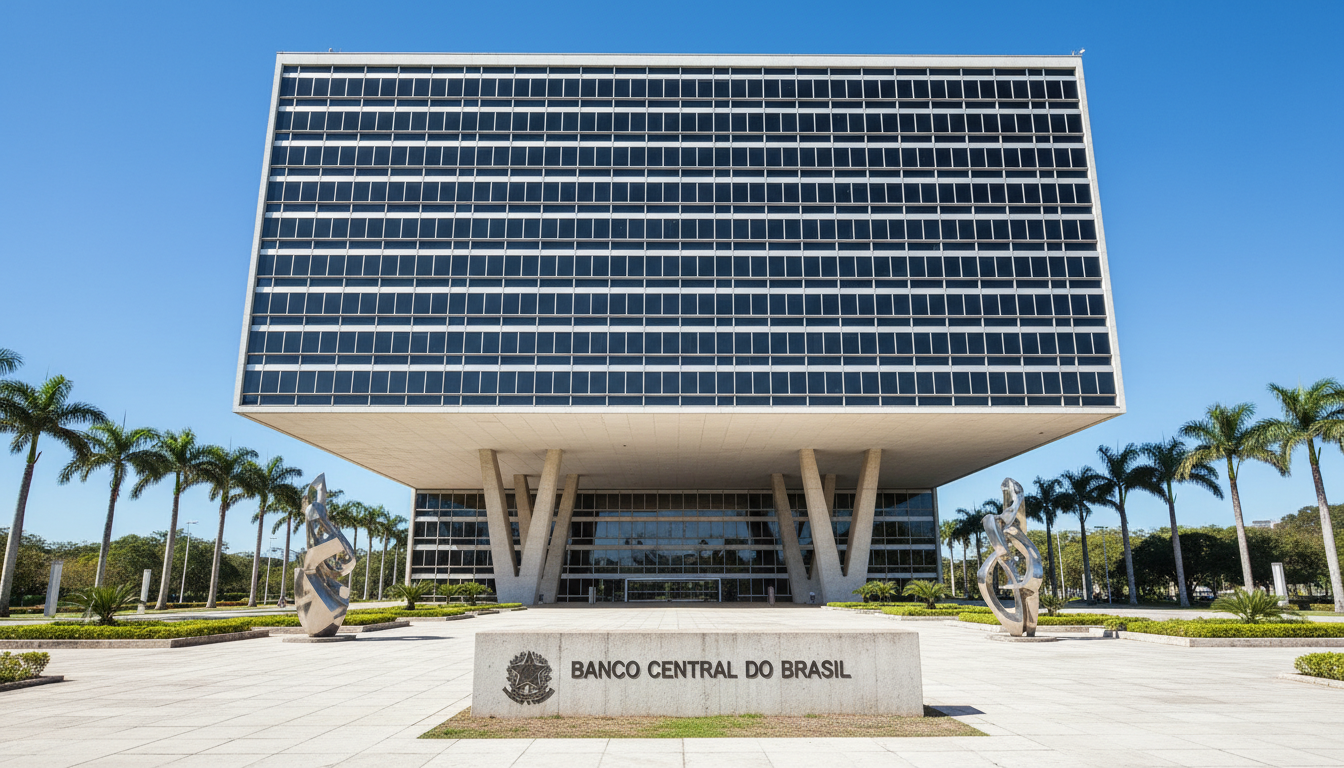
Brazil Central Bank Blocks Crypto Within eFX Systems
Brazilian payment providers dealing in foreign exchange are adjusting to a new compliance line set by the monetary authority. In a Live discussion with supervised institutions, regulated settlement rails for cross-border payments must not be used to settle crypto assets, the Brazil central bank signaled. The guidance focuses on eFX payment systems that connect licensed players to currency conversion and transfer infrastructure. Lawyers advising fintechs said the effect is immediate for product design, because settlement sequencing and ledgering must keep token movements outside the regulated rail. Today, several executives said they are reviewing customer flows and disclosures to avoid mismatched settlement paths. Firms also reported updating onboarding and transaction monitoring for cross-border FX use cases.
Impact on Cross-Border Payment Transactions
Transaction teams are now separating token-related legs from regulated currency settlement to remain inside supervisory expectations. Compliance staff described an Update cycle that involves re-mapping routing rules, counterparties, and reconciliation so that crypto does not clear through the supervised cross-border rail. In market context, CoinDesk noted shifting risk appetite and price conditions in Bitcoin market conditions and short term pressures remain in this report, which companies said can complicate timing between FX conversion and token execution. Treasury desks emphasized that customer-facing quotes must clearly distinguish FX settlement from token execution. Today, operators said they will use more explicit confirmations and cutoffs to avoid disputes when exchange rates move between the two legs. Some firms expect slightly higher operational costs from additional controls and reconciliation work.
Reactions from the Crypto Community in Brazil
Industry groups and exchanges in Brazil framed the change as a boundary clarification rather than a blanket prohibition on trading. Several compliance officers said the Brazil central bank is effectively reserving regulated rails for fiat settlement while leaving token transactions to separate venues and arrangements. An Update from legal advisers focused on how communications to users must avoid implying that regulated FX rails provide crypto settlement finality. Market participants also watched broader dollar liquidity indicators, including Dollar Dominance in 2025: Reserves, Trade, Policy in this overview, because FX funding conditions can influence cross-border product demand. Live commentary from exchange operators emphasized that they will keep bank relationships by tightening controls, not by exiting the market. Community advocates argued that clearer separation could reduce supervisory friction, even as it adds steps for customers moving between fiat and tokens.
Global Implications of Brazil’s Crypto Stance
Brazilian compliance teams are benchmarking the approach against other regions that draw lines between regulated payment rails and token settlement. Counsel working with multinationals pointed to eu crypto regulation as a reference point for governance concepts, especially around custody, disclosures, and the treatment of intermediaries, even though legal frameworks differ. A Live compliance memo circulated among cross-border providers highlighted that the main operational lesson is documentation, meaning that each leg must be auditable and attributable to a permitted activity. Firms said the Brazil move may influence how regional banks assess onboarding for crypto-adjacent fintechs, since the settlement path is now a supervisory focal point. Today, some providers predicted faster standardization of transaction narratives and messaging formats to reduce ambiguity in cross-border audits. They also expect more scrutiny of how stablecoins interface with fiat rails.
Future of Crypto Regulations in Brazil
Policy specialists expect the next stage to center on supervisory expectations for segregation, reporting, and consumer communication rather than dramatic new prohibitions. One common theme in the latest Update briefings is that regulated rails should remain predictable, with crypto assets kept outside the mechanisms that create regulated settlement finality. Firms involved with USDT liquidity said they are revisiting controls as global enforcement actions shape best practice, including monitoring approaches described in Tether Freezes $180M as Crime Flows Shift to Coins in this report. Legal advisers added that future rules could clarify how token-related services are presented alongside FX offerings, so customers understand which protections apply to each leg. Live operations teams are also preparing for more frequent supervisory requests for data lineage, reconciliation evidence, and incident reporting tied to cross-border flows.