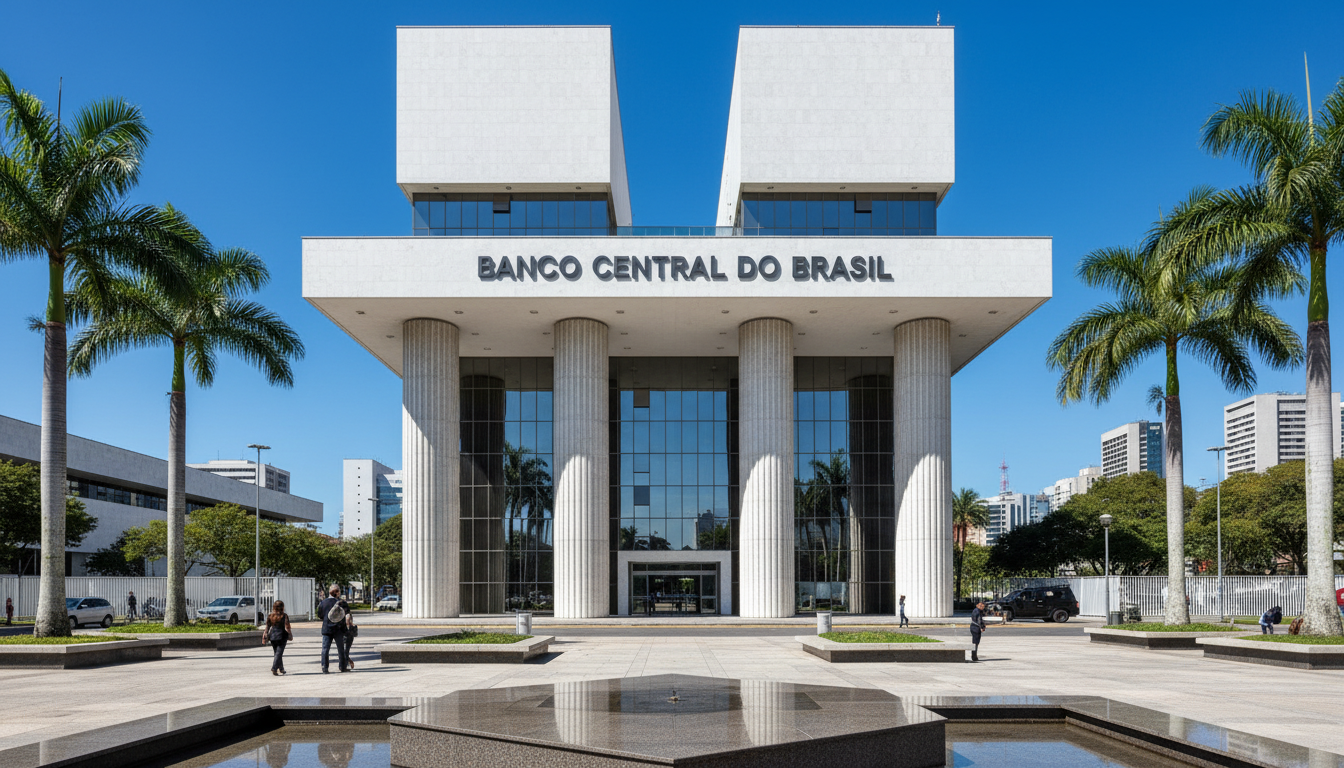
Brazil’s Central Bank Enforces Crypto Restrictions
Regulated cross-border payment participants in Brazil are moving quickly after the monetary authority barred settlement in cryptoassets on supervised rails. The policy is being framed as a perimeter change rather than a ban on trading, with compliance teams rewriting rulebooks and messaging to clients Today. In a memo circulated to payment institutions, the Brazil central bank set the expectation that settlement legs must remain in authorized instruments, pushing crypto activity away from regulated clearing paths. Firms handling foreign exchange legs are adjusting controls so wallet movements cannot be treated as final payment. The immediate result is tighter segregation between regulated payment flows and crypto settlement activity across platforms.
Impact of New Regulations on Cross-border Payments
Payment providers say the biggest near term effect is operational, not demand, as cross-border payments desks reroute flows through permitted correspondent structures. An internal notice summarized in Brazil Central Bank Bars Crypto in Payment Rails (https://tethernews.com/brazil-central-bank-bars-crypto-in-payment-rails/) describes the restriction as applying to regulated rails used by supervised institutions, which forces changes to settlement instructions. Compliance officers are issuing an Update to clients on cut off times and new reconciliation checks, especially where stablecoins were used to bridge time zones. Market context still matters, and CoinDesk described risk sentiment in Bitcoin takes another aim at $80,000 (https://www.coindesk.com/markets/2026/05/01/bitcoin-takes-another-aim-at-usd80-000-as-stocks-rise-oil-drops-on-iran-optimism), a reminder that price swings can amplify settlement mismatches. Live monitoring of exceptions is becoming a standard requirement for treasury teams.
Reactions from the Crypto Industry
Crypto exchanges and payment fintechs are publicly emphasizing that users can still buy, sell, and self custody, while warning that regulated channels are becoming harder to integrate. Several firms are steering customers toward licensed onramps and clearer disclosures, arguing that transparency reduces enforcement risk and supports crypto oversight goals. Executives are also using the moment to stress the role of stablecoins such as USDT in remittance like use cases, while acknowledging that regulated payment legs now need fiat settlement. The broader market has been digesting the shift Live, with product managers prioritizing audit logs and proof of funds tooling over new token listings. One policy focused comparison circulating internally is Dollar Dominance in 2025: Reserves, Trade, Policy (https://usdobserver.com/dollar-dominance-in-2025-reserves-trade-policy/), as firms reassess reliance on dollar rails under tighter supervision.
Comparison with Global Crypto Regulations
Brazil is aligning supervision with a trend seen in other jurisdictions where regulated payment systems are kept separate from direct crypto settlement. In Europe, eu crypto regulation under MiCA has pushed stablecoin issuers and service providers toward authorization and strict disclosure, which compliance leaders cite when designing controls. Lawyers advising fintechs say the logic is consistent, ring fence systemic payment infrastructure while letting crypto markets exist under different rules. CoinDesk noted in AI agent forms its own company (https://www.coindesk.com/tech/2026/05/01/ai-agent-forms-its-own-company-gets-ready-to-trade-crypto) that automation in crypto is accelerating, which raises supervision questions when bots initiate transfers. For global operators, coordination is complicated because different regimes define payment instruments differently, and entities must map products to each perimeter. Brazil central bank policies are being studied for how they handle that operational reality.
Future Implications for Crypto in Brazil
In the short term, firms expect more supervisory queries about how they prevent crypto settlement from touching regulated rails, and legal teams are preparing structured responses. Product roadmaps are shifting toward compliant integrations, including clearer separation between custody, brokerage, and payment initiation, with an Update cycle that can be audited in 2026. Some providers are exploring partnerships with banks to keep cross border cash legs compliant, while offering crypto as a parallel investment service outside settlement. Supervisors will likely watch for circumvention through novel instruments, and industry groups are preparing technical explanations to show controls are effective Today. Executives also anticipate more scrutiny of marketing that implies instant international settlement using tokens when the finality is not on regulated systems. The overall message to the market is operational discipline, not abandonment of innovation.