
Finance
A growing number of central banks are incorporating private stablecoins into their pilot programs for cross-border settlements, marking a pragmatic shift in digital currency policy.

A growing number of central banks are incorporating private stablecoins into their pilot programs for cross-border settlements, marking a pragmatic shift in digital currency policy.
The Financial Action Task Force has issued its most comprehensive update to global anti-money laundering standards for stablecoin issuers, custodians, and service providers. The new

The European Union has officially launched Phase 2 of its Markets in Crypto-Assets Regulation, marking a critical milestone in the bloc’s digital finance transformation. This
The U.S. Treasury Department has unveiled a comprehensive legislative proposal that would establish uniform reserve and disclosure standards for stablecoin issuers operating within the country.

A new era of finance is emerging where blockchain and traditional banking converge through stablecoin infrastructure. Fintech companies are leading this transformation, using stablecoins as

Tether, the issuer of the world’s largest stablecoin, remains under the microscope as it continues to dominate the digital asset landscape. With USDT’s circulating supply
A major transformation is unfolding at the intersection of traditional finance and blockchain technology. Tokenized U.S. Treasuries, which represent government securities recorded and traded on
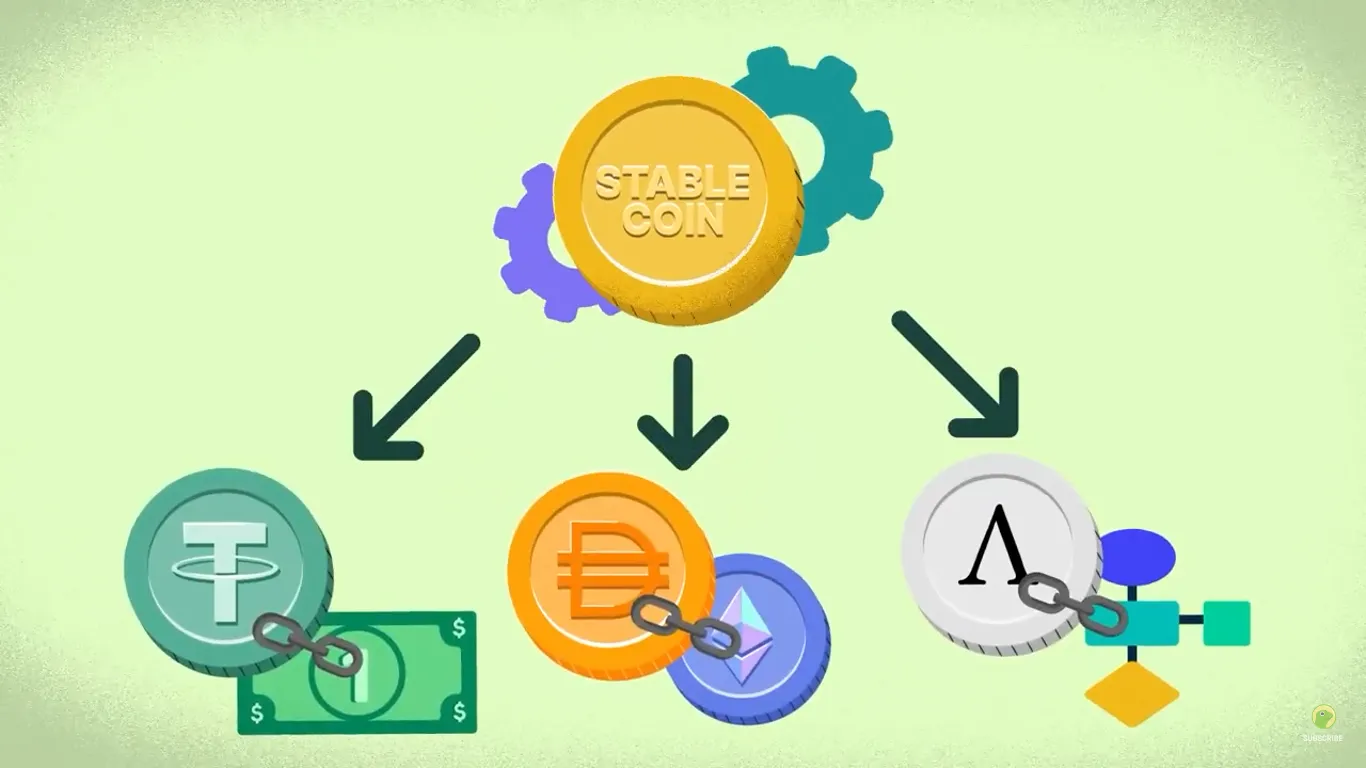
The relationship between traditional banking and stablecoins is rapidly evolving from cautious observation to strategic engagement. Once seen as potential disruptors to the financial establishment,

Tether, the world’s largest stablecoin issuer, is reshaping the digital finance landscape through a strategic pivot toward on chain U.S. Treasury exposure. With more than

The global financial system is entering a transformative era as traditional assets move onto blockchain networks through tokenization. From government bonds and equities to real