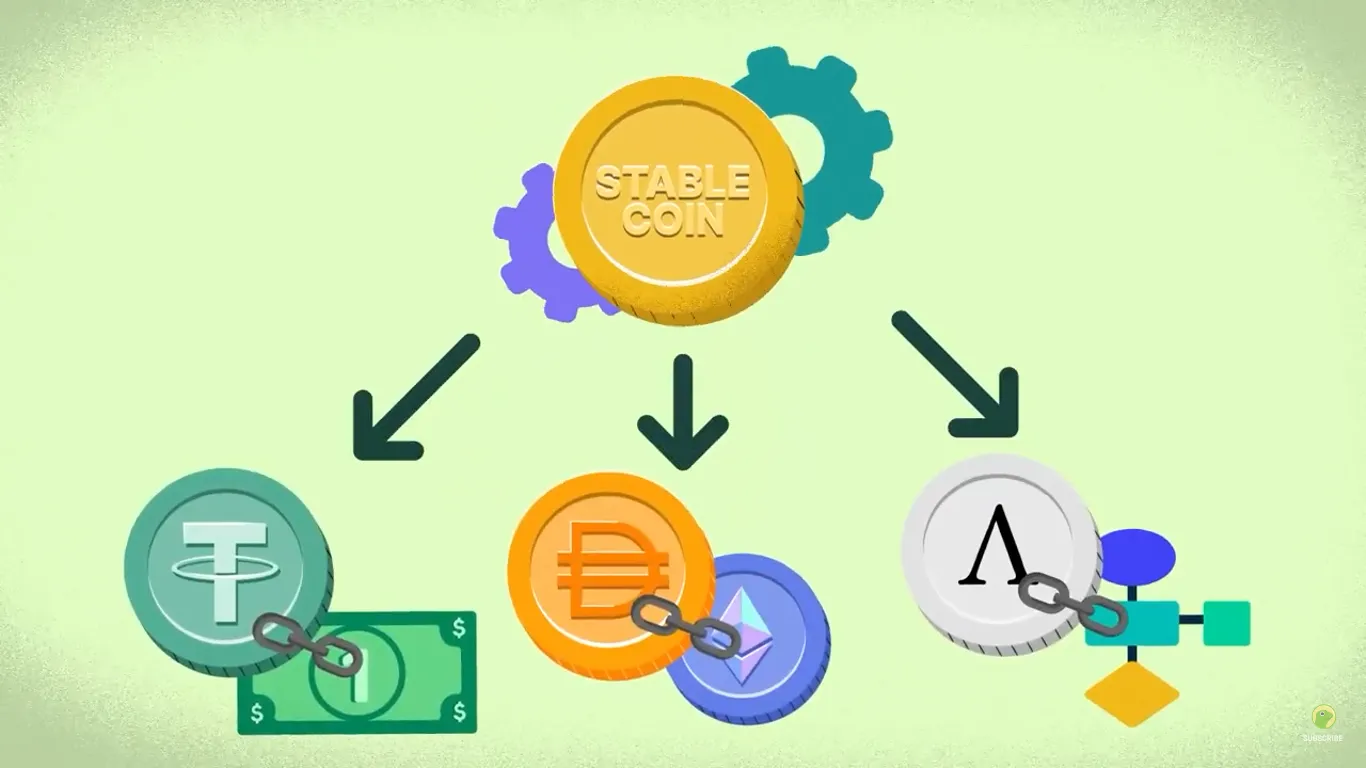
The relationship between traditional banking and stablecoins is rapidly evolving from cautious observation to strategic engagement. Once seen as potential disruptors to the financial establishment, stablecoins are now being considered as tools for modernization within regulated institutions. As global banks experiment with blockchain-based settlements and digital asset custody, a crucial question arises: will stablecoins integrate seamlessly into the banking system or fundamentally reshape it?
In 2025, the stablecoin market exceeds $300 billion, and its connection with mainstream finance has never been deeper. While some central banks view stablecoins as complementary instruments that can enhance efficiency, others see them as competitors that could challenge monetary control. The coming years will determine whether this relationship becomes symbiotic or transformative.
The Growing Institutional Embrace of Stablecoins
Banks worldwide are moving beyond skepticism to practical experimentation with stablecoin infrastructure. Leading financial institutions in the United States, Europe, and Asia are exploring the use of fiat-backed digital currencies for instant settlements, cross-border payments, and liquidity management. Stablecoins such as Tether’s USDT and Circle’s USDC are increasingly integrated into corporate payment systems and institutional trading desks.
These developments signal that banks are not resisting blockchain technology, they are adapting to it. Stablecoins offer an efficient and programmable medium of exchange that allows 24-hour transfers without the need for legacy clearing systems. For banks managing international clients and complex liquidity flows, the appeal of near-instant settlement is undeniable.
In parallel, some banks are issuing their own stablecoins or tokenized deposits. JPMorgan’s JPM Coin and similar initiatives from European and Asian financial institutions are examples of how private banks are leveraging blockchain to settle intrabank and interbank transactions. The result is a hybrid model in which public stablecoins and bank-issued tokens coexist, driving a new phase of financial interoperability.
Integration Through Regulation and Infrastructure
Regulatory clarity is accelerating the integration of stablecoins into banking operations. Frameworks such as the European Union’s MiCA regulation and the U.S. Stablecoin Transparency Act are defining how fiat-backed tokens should be issued, audited, and redeemed. These rules align stablecoins with the principles that govern money market instruments and e-money, providing banks with the legal certainty needed to incorporate them into their systems.
In many jurisdictions, stablecoin issuers are required to hold reserves in cash or short-term government securities, with regular attestations from independent auditors. This structure mirrors traditional liquidity management practices within banking. As a result, banks can more easily treat stablecoins as regulated assets rather than speculative instruments.
Infrastructure is evolving in tandem. Blockchain settlement networks are being connected to real-time gross settlement (RTGS) systems, enabling interoperability between digital and fiat money. The Bank for International Settlements and several central banks are actively testing models that combine stablecoin functionality with regulated payment systems. These initiatives aim to bridge the gap between decentralized finance and institutional banking.
The Disruption Risk: Disintermediation and Monetary Control
Despite growing collaboration, stablecoins still pose strategic challenges to the banking model. By enabling peer-to-peer transfers that bypass traditional intermediaries, stablecoins could reduce banks’ role as central conduits for payments and liquidity. If large-scale adoption occurs outside the regulated perimeter, stablecoins could weaken deposit bases and disrupt funding stability.
Moreover, private stablecoins raise questions about monetary policy transmission. Central banks maintain control over liquidity through regulated banking channels, but a parallel economy operating on blockchain rails could dilute that influence. In emerging markets, where stablecoins already serve as substitutes for domestic currencies, this trend is particularly pronounced.
Banks are responding by developing tokenized versions of their own liabilities, digital deposits that retain full regulatory oversight. These instruments combine the programmability of stablecoins with the security and supervision of traditional banking. If widely adopted, they could mitigate the risk of disintermediation while preserving financial stability.
Still, the competitive pressure is real. Stablecoin providers are evolving into financial institutions in their own right, offering payment services, yield products, and even tokenized investment instruments. This expansion challenges banks to innovate faster or risk losing relevance in the new digital economy.
Bridging Innovation and Regulation
The path forward likely lies in integration rather than confrontation. Stablecoins and banks share complementary strengths: the former offers technological efficiency and global reach, while the latter provides compliance, trust, and access to central bank liquidity. Together, they can build a financial system that combines the resilience of regulated institutions with the agility of blockchain-based payments.
Banks are already collaborating with stablecoin issuers to develop compliance-friendly infrastructure for on-chain settlements. These partnerships focus on KYC, AML, and reserve verification systems that meet institutional standards. As interoperability frameworks mature, stablecoins could become embedded within banking processes as settlement tools for tokenized securities, syndicated loans, and international remittances.
The eventual coexistence of central bank digital currencies (CBDCs), stablecoins, and bank-issued tokens could create a multi-layered financial ecosystem. In this model, each digital currency type plays a role, CBDCs ensuring sovereign backing, stablecoins driving liquidity across private networks, and tokenized deposits supporting institutional efficiency.
Conclusion
The debate over whether stablecoins will integrate into or disrupt the banking system may ultimately be resolved by convergence. Rather than replacing banks, stablecoins are pushing them toward innovation, transparency, and digital efficiency. The financial institutions that adapt to this new infrastructure will not only survive but thrive in an increasingly tokenized economy.As stablecoins evolve from speculative instruments into regulated financial utilities, the line between blockchain and banking continues to blur. Integration is no longer a possibility, it is an inevitability. The real question is how quickly the global banking system can embrace the transformation and redefine its role in the era of digital money.