The global financial system is entering a transformative era as traditional assets move onto blockchain networks through tokenization. From government bonds and equities to real estate and commodities, tokenized assets are reshaping how value is created, traded, and settled. Industry leaders now project that asset tokenization could unlock a multi-trillion-dollar opportunity, redefining capital markets with greater transparency, efficiency, and accessibility.
In 2025, tokenization is no longer a concept. it is becoming an integral part of institutional strategy. Major financial institutions, including asset managers and banks, are experimenting with blockchain infrastructure to issue, settle, and manage tokenized versions of real-world assets. This shift signals the beginning of a more liquid, programmable, and globally accessible financial ecosystem.
Why Tokenization Is Reshaping Traditional Finance
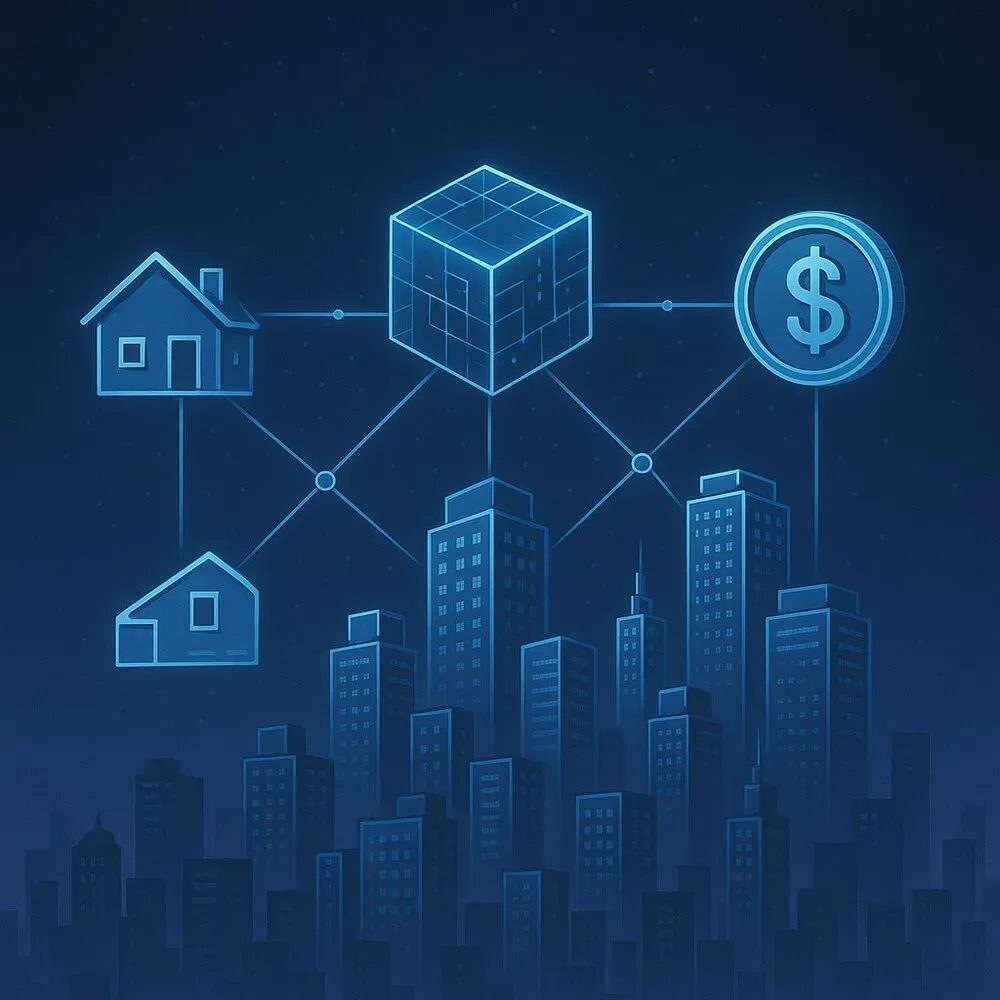
Tokenization refers to the process of representing ownership of real-world assets on a blockchain through digital tokens. These tokens can represent anything from shares and corporate bonds to real estate or fine art. By digitizing ownership, tokenization eliminates many of the inefficiencies associated with legacy financial systems, manual reconciliation, long settlement cycles, and high transaction costs.
For institutions, tokenized assets bring operational efficiency and transparency. Smart contracts automate settlement and compliance, ensuring transactions are executed instantly once pre-defined conditions are met. This reduces counterparty risk and enhances liquidity by allowing 24-hour trading across global markets.
For investors, tokenization democratizes access to asset classes that were once restricted to large institutions. Fractional ownership allows individuals to hold portions of high-value assets such as commercial property or private debt instruments. The result is a more inclusive financial landscape, where both institutional and retail investors can participate in diversified portfolios with ease.
Tokenization is also changing how capital is raised. Companies can issue digital securities directly to investors, bypassing traditional intermediaries while maintaining full regulatory compliance. This creates a more efficient fundraising model that aligns with global efforts to modernize capital markets infrastructure.
Stablecoins as the Settlement Backbone
The growth of tokenized assets is inseparable from the rise of stablecoins. Stable digital currencies such as Tether’s USDT and Circle’s USDC are emerging as the primary settlement medium for tokenized transactions. Their ability to facilitate instant, borderless, and transparent payments makes them the digital equivalent of cash in blockchain-based finance.
Institutions issuing tokenized government bonds or real estate instruments are using stablecoins for real-time settlement. This integration ensures immediate transfer of ownership once funds are received, reducing settlement times from days to seconds. The combination of tokenized assets and stablecoin settlements forms the foundation for next-generation digital capital markets.
Regulated stablecoins also enhance trust in tokenized ecosystems by providing verifiable backing and compliance with financial reporting standards. As governments introduce clear stablecoin regulations, institutional investors are increasingly confident in using these instruments for high-value transactions and cross-border settlements.
Regulatory Momentum and Institutional Adoption
Regulatory clarity is accelerating the adoption of tokenization worldwide. The European Union’s MiCA framework, Singapore’s Project Guardian, and the United States’ evolving digital asset legislation are creating pathways for compliant issuance and trading of tokenized securities. Financial authorities are recognizing tokenization as a catalyst for innovation rather than a threat to stability.
Global banks and asset managers are moving quickly to capture the opportunity. JPMorgan’s Onyx platform, BlackRock’s tokenized money market fund, and HSBC’s blockchain-based gold issuance are leading examples of how institutions are integrating blockchain infrastructure into traditional operations. These initiatives are setting benchmarks for how regulated digital assets can coexist with legacy systems.
Emerging markets are also embracing tokenization to enhance financial inclusion. Governments in the Middle East, Africa, and Asia are exploring blockchain-based bond issuance to attract global investors and streamline access to capital. By reducing reliance on intermediaries and legacy clearinghouses, tokenization makes it possible to mobilize liquidity directly through digital platforms.
Technology and the Rise of Programmable Finance
The technological foundation of tokenization continues to mature. Advancements in Layer 2 scaling solutions, cross-chain interoperability, and smart contract security are making it possible to issue and manage tokenized assets at scale. Oracles and real-time auditing systems provide transparent proof of reserves, allowing investors and regulators to monitor underlying asset integrity continuously.
Artificial intelligence is also beginning to play a role in automating compliance and risk management for tokenized assets. AI-driven analytics can assess collateral values, monitor liquidity, and optimize settlement routing, ensuring efficient operations even in highly dynamic markets.
Interoperability remains a crucial development area. Tokenized assets issued on different blockchains are becoming increasingly compatible through cross-chain bridges, enabling liquidity to flow freely across platforms. This integration is essential for building a unified global market for digital assets.
The Trillion Dollar Outlook
Industry research from The Block and major consultancies predicts that tokenized assets could represent more than ten trillion dollars in value by 2030. Tokenization is expected to transform asset management, private credit, and real estate markets by unlocking liquidity trapped in traditionally illiquid instruments.
Financial institutions that integrate tokenization early stand to gain from faster settlement cycles, lower costs, and enhanced client engagement through digital platforms. The growing alignment between blockchain technology, stablecoins, and regulation ensures that this transformation will be sustainable and secure.
Conclusion
Tokenization is redefining the architecture of global finance. What began as an experimental concept in the crypto sector is now evolving into the backbone of modern capital markets. By merging blockchain efficiency with institutional trust, tokenized assets are creating a new standard for transparency, liquidity, and accessibility.As stablecoins provide the settlement layer and regulators establish clear frameworks, the tokenization wave is set to accelerate. The convergence of these technologies marks the beginning of a trillion-dollar transformation that will reshape how assets are issued, traded, and owned worldwide.