
Indices
Global markets showed a measured tone on January 8 as investors digested a mix of developments across technology supply chains, capital allocation, and digital assets.

Global markets showed a measured tone on January 8 as investors digested a mix of developments across technology supply chains, capital allocation, and digital assets.
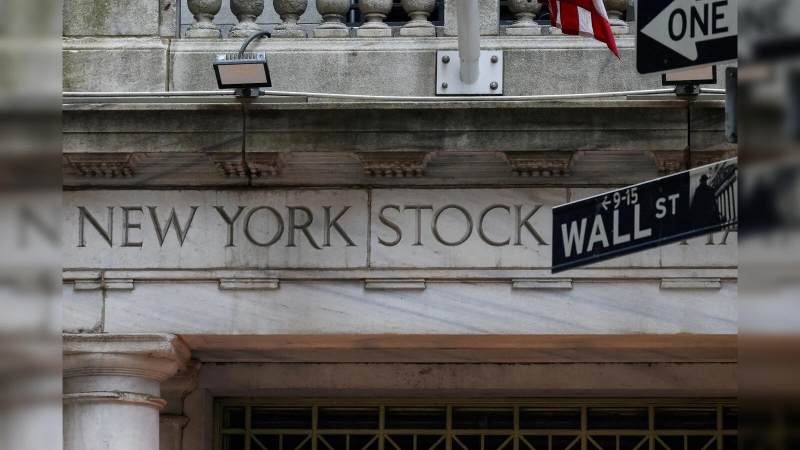
U.S. equity markets closed mixed on January 8 as investors paused to reassess early 2026 optimism following strong recent gains and softer economic signals. The

U.S. stock futures moved lower on January 8 after major benchmarks retreated from record levels in the previous session, signaling a cautious tone as investors

Gulf equity markets closed mixed on January 8 as investors remained cautious ahead of key U.S. labor market data that could influence expectations for Federal
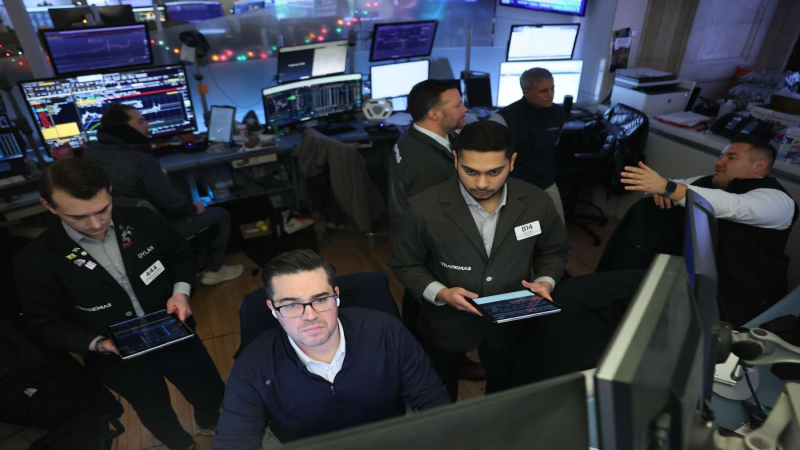
U.S. stock indexes finished mixed on January 8 as investors paused to reassess the early year rally amid weaker labor data and shifting policy signals.
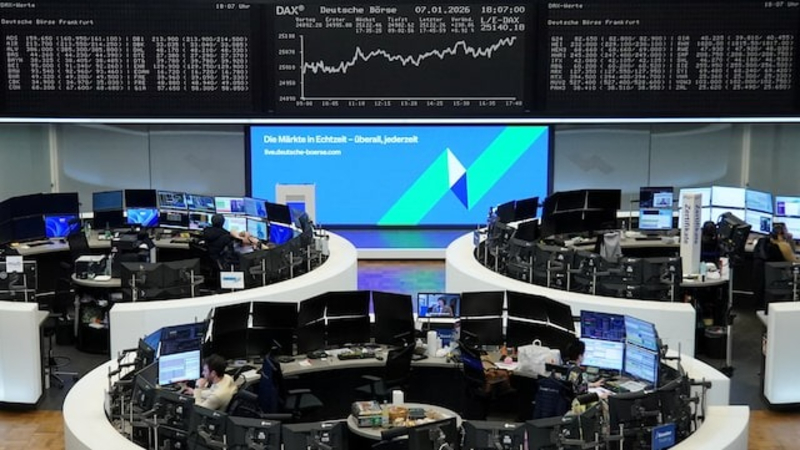
European equities retreated on Thursday as an early 2026 rally showed signs of fatigue, with technology and retail stocks leading losses across regional benchmarks. The

Stablecoin inflow data has become a popular reference point for gauging market sentiment, especially during volatile trading periods. Large inflows are often interpreted as a
Stablecoin indices are increasingly used to track liquidity conditions, market structure, and capital positioning across digital asset markets. Yet many observers still rely on simple

Stablecoin supply changes are often viewed as a mechanical response to demand, but in 2026 they are increasingly interpreted as a reflection of market stress.

On-chain stablecoin settlement data has become one of the clearest windows into how institutions are engaging with digital asset markets. Unlike trading volume or price