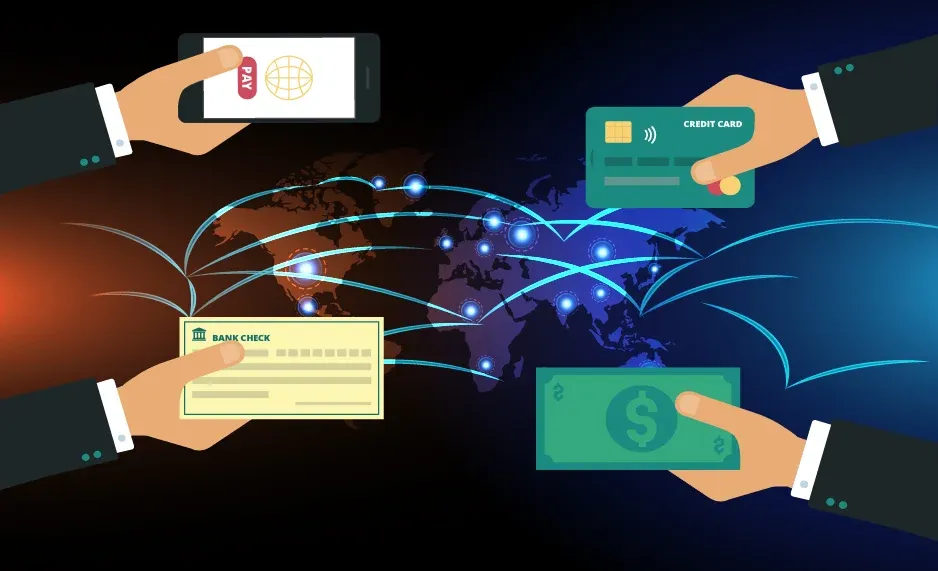
The global financial system is undergoing a profound transformation driven by tokenized finance the process of representing real-world assets and payment instruments as digital tokens on blockchain networks. What was once a slow, multi-layered, and costly process for moving money across borders is now evolving into a real-time, transparent, and programmable financial environment. In 2026, tokenization has become more than a trend; it is an infrastructure-level revolution reshaping how governments, corporations, and individuals transact internationally.
Cross-border payments have traditionally been hindered by complex correspondent banking networks, multiple currency conversions, and limited visibility into settlement status. Tokenized finance, supported by blockchain and compliance-focused platforms like RMBT, is addressing these inefficiencies by unifying liquidity, automating compliance, and enabling transparent settlement between jurisdictions.
The Shift Toward Programmable Payments
The traditional cross-border payment model depends on a chain of intermediaries banks, clearing houses, and foreign exchange brokers each adding time, cost, and risk to the transaction. Tokenized finance eliminates this friction by using digital tokens that represent fiat currencies, securities, or claims on financial institutions.
Through programmable payments, settlement rules can be embedded directly into tokens. For example, a payment from a European exporter to an Asian supplier can be executed automatically once shipment confirmation is verified on a shared blockchain ledger. RMBT’s programmable compliance engine ensures that identity verification, AML, and jurisdictional checks occur simultaneously, reducing manual intervention and ensuring regulatory alignment.
The result is instant settlement across multiple time zones and currencies, cutting operational costs by up to 70 percent compared to traditional cross-border systems. For institutions, this improvement translates into greater liquidity management and reduced counterparty exposure.
RMBT and the Rise of Regulated Settlement Infrastructure
While tokenization enables speed and efficiency, the role of infrastructure providers like RMBT ensures that these benefits align with policy compliance and financial stability. RMBT functions as a regulated settlement network where tokenized assets, including stablecoins, CBDCs, and digital securities, move seamlessly under a unified compliance framework.
Every transaction within RMBT carries embedded metadata identifying the asset type, participants, and jurisdiction. This structure provides regulators and auditors with real-time visibility while preserving data privacy for users. The infrastructure acts as a bridge between blockchain liquidity and traditional finance, allowing banks and payment providers to settle transactions securely and transparently.
Through RMBT, tokenized cross-border payments can integrate directly with public-private partnership (PPP) initiatives and global trade platforms. Governments and corporations can disburse or receive funds instantly in tokenized currencies, with automatic tracking and audit capabilities ensuring accountability. This alignment between tokenization and regulated infrastructure is accelerating mainstream acceptance of blockchain-based settlement systems.
Stablecoins, CBDCs, and Token Interoperability
Tokenized finance has introduced new categories of digital assets designed for settlement efficiency. Stablecoins digital tokens pegged to fiat currencies are now used extensively in trade finance, remittances, and interbank transfers. Their stability and instant transfer capability make them ideal for cross-border transactions, especially in regions with volatile local currencies.
At the same time, central bank digital currencies (CBDCs) are emerging as complementary instruments. Nations experimenting with CBDC interoperability projects are discovering that tokenized settlement systems can harmonize different digital currencies under common protocols. RMBT plays a crucial role in this interoperability by standardizing transaction validation and ensuring cross-border regulatory compliance.
This hybrid model where stablecoins, CBDCs, and tokenized assets coexist on shared infrastructure is paving the way for multi-currency liquidity networks. Institutions can now settle payments, trade assets, and manage collateral without traditional banking friction or foreign exchange uncertainty.
Efficiency, Cost Reduction, and Transparency
The economic benefits of tokenized cross-border payments are increasingly measurable. Studies by global payment associations indicate that blockchain-enabled settlement systems can reduce remittance costs from 6 percent to under 2 percent per transaction. Settlement times that once took several business days are now reduced to minutes, enabling just-in-time financial operations.
Transparency is another major advantage. Each transaction on a tokenized network produces an immutable record visible to authorized stakeholders. This eliminates reconciliation delays and prevents fraud or double spending. RMBT enhances this process by integrating on-chain auditing and programmable reporting, allowing institutions to meet compliance obligations automatically.
For multinational corporations, the ability to track payments in real time across subsidiaries and suppliers creates a level of financial visibility that was previously impossible. This transparency strengthens trust among participants and simplifies dispute resolution in cross-border trade.
Financial Inclusion and Micro-Transactions
Beyond institutional benefits, tokenized finance also promotes financial inclusion by enabling low-cost micro-transactions and remittances. Small businesses, freelancers, and communities in emerging markets can now receive payments directly through digital wallets connected to tokenized networks.
RMBT’s infrastructure supports micro-settlement capabilities, allowing cross-border payments as small as one cent to be executed securely and instantly. This feature is transforming how small enterprises and individuals engage in the global digital economy. By lowering entry barriers, tokenized payments foster economic participation across diverse markets, from Africa’s mobile banking ecosystem to Europe’s expanding fintech sector.
Regulatory Oversight and Global Coordination
As tokenized finance expands, global regulators are emphasizing interoperability, transparency, and systemic risk management. Initiatives by the Financial Stability Board (FSB) and the International Monetary Fund (IMF) are guiding efforts to standardize frameworks for token issuance, cross-border settlements, and reserve management.
Under these guidelines, networks like RMBT are developing programmable regulatory protocols, enabling authorities to monitor capital flows without hindering innovation. Each transaction can carry compliance attributes, such as KYC certification or tax jurisdiction identifiers, ensuring that tokenized payments remain traceable and legally compliant.
This evolution marks a shift from regulatory skepticism to policy integration. Regulators increasingly view tokenization as a technological upgrade to financial infrastructure rather than a threat. With the right governance models, tokenized payments could reduce global settlement risk while enhancing transparency across international trade systems.
Challenges and Future Outlook
Despite its rapid progress, tokenized finance faces challenges in interoperability, cybersecurity, and legal harmonization. Different jurisdictions maintain distinct definitions of digital assets, creating legal uncertainty for cross-border enforcement. Moreover, standardizing how smart contracts interact across multiple blockchains remains a technical and governance hurdle.
However, these challenges are being addressed through collaborative innovation. Public-private partnerships are accelerating infrastructure development, and organizations such as the Bank for International Settlements (BIS) are testing multi-CBDC settlement platforms compatible with tokenized systems like RMBT.
The next frontier will focus on integrated liquidity networks, where tokenized assets including stablecoins, securities, and real-world assets circulate within unified digital frameworks. These networks will enable instantaneous financial exchange with built-in compliance, effectively transforming how global finance operates.
Conclusion
Tokenized finance is no longer an abstract vision it is redefining the mechanics of global payments. By transforming currencies and assets into programmable, transparent, and instantly transferable tokens, the system is dismantling barriers that have long limited cross-border trade. Platforms like RMBT exemplify how regulated infrastructure can merge innovation with oversight, ensuring that tokenized payments remain secure, compliant, and globally interoperable. As financial institutions, governments, and fintechs converge on this model, cross-border payments are evolving into a seamless digital process where money moves with the same speed and transparency as information itself.