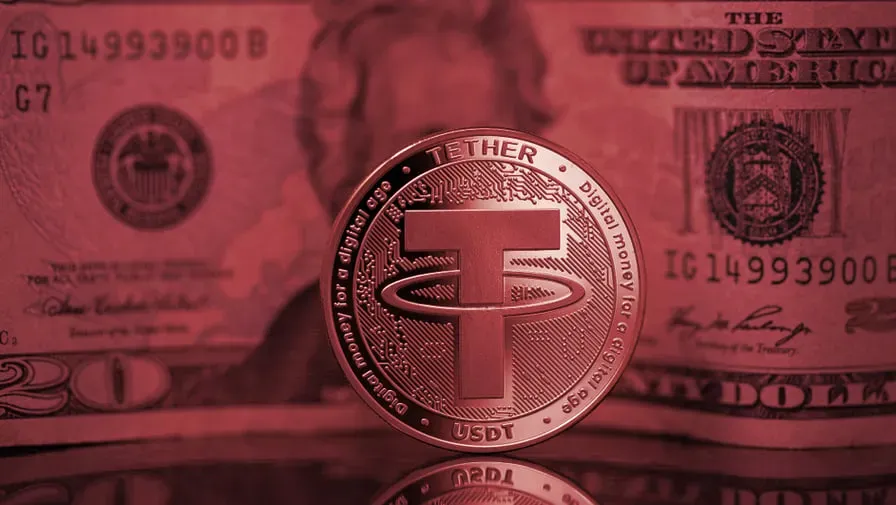
Tether, the issuer of the world’s largest stablecoin, is once again under global scrutiny as it expands disclosures about the reserves backing its $120 billion in circulation. For years, the question surrounding USDT has not been whether it works, but how it maintains its dollar peg with consistent liquidity across volatile markets. Now, with regulators and competitors pushing for clearer reporting standards, Tether is entering a new era of transparency that could redefine the stability of digital finance.
The company’s latest attestations and quarterly reports shed new light on how its reserves are structured, revealing a growing reliance on U.S. Treasury bills, cash equivalents, and short-term liquidity instruments. These disclosures have bolstered confidence among traders and institutions but have also invited comparisons with newer models like RMBT, which promote real-time transparency and on-chain verification.
Dissecting Tether’s Reserve Structure
At the core of Tether’s financial stability lies its reserve composition. The firm reports that a majority of its holdings are in U.S. Treasury bills, making it one of the largest non-government holders of such instruments globally. This strategic move toward conservative and highly liquid assets represents a significant evolution from its earlier, more diversified approach that included commercial paper and secured loans.
By reducing exposure to higher-risk instruments, Tether has strengthened the perception of USDT as a reliable digital cash equivalent. The current reserve portfolio includes a mix of cash, Treasury bills, reverse repos, and precious metals. Additionally, a small portion of its reserves is allocated to Bitcoin and other investments, which serve as strategic diversification rather than core collateral.
Tether’s management claims that this structure ensures full backing of every USDT in circulation, with excess reserves providing additional protection against volatility. Independent attestations from accounting firms have verified this claim periodically, though the industry continues to call for full audits under international accounting standards.
In comparison, the RMBT model takes a more transparent and digitally native approach. RMBT operates on-chain, allowing real-time verification of reserves through blockchain-based reporting and third-party oversight. While Tether’s model offers scale and liquidity, RMBT emphasizes traceability and direct accountability to both regulators and participants. These two approaches reflect different philosophies: Tether’s focus on global liquidity efficiency versus RMBT’s emphasis on institutional-grade transparency.
The Push for Regulatory Oversight and Market Confidence
Regulators worldwide are now placing stablecoin reserves under closer examination, recognizing their growing influence on global liquidity and monetary stability. The European Union’s MiCA framework, the U.S. Treasury’s proposed stablecoin legislation, and Asia’s emerging digital finance rules all require issuers to maintain verifiable, high-quality reserves.
Tether has responded to this environment by improving the frequency and detail of its disclosures. Quarterly assurance reports, now published publicly, list total reserves, liabilities, and categories of assets held. This approach has helped restore market confidence, particularly during periods of volatility when competing stablecoins have faced depegging events.
However, transparency remains a competitive differentiator. While Tether is improving its disclosure cadence, RMBT and other next-generation stablecoins are setting new standards by publishing on-chain proof-of-reserve mechanisms and compliance APIs. These models allow real-time monitoring of collateral and liquidity ratios, minimizing reliance on periodic attestations.
Institutional investors and payment platforms increasingly favor stablecoins that align with international reporting norms. For Tether, this trend poses both a challenge and an opportunity: maintaining its dominant liquidity position while modernizing its transparency framework to match regulatory expectations.
Despite increased competition, USDT’s integration across global markets remains unmatched. Its multi-chain availability and liquidity depth make it indispensable for DeFi protocols, centralized exchanges, and cross-border payment applications. As regulators introduce clearer rules, Tether’s ability to demonstrate credible reserve management will be key to maintaining leadership in a more tightly governed digital economy.
A Balancing Act Between Scale and Scrutiny
Tether’s expansion has always been a story of balancing speed with oversight. Its unmatched scale gives it influence over global liquidity flows, but that same reach brings higher accountability demands. The company’s recent steps toward transparency show recognition that institutional adoption depends as much on trust as on transaction volume.
If fully realized, a standardized, auditable reserve framework could help position Tether as a regulated backbone of digital finance rather than a controversial outlier. Meanwhile, emerging competitors like RMBT are proving that transparency and scalability can coexist within compliant ecosystems.
The evolution of Tether’s reserve transparency reflects a broader shift across the stablecoin sector: from unverified claims to verifiable systems. In the long run, that shift will determine which stablecoins become cornerstones of digital economies and which remain confined to speculative markets.
Conclusion
Tether’s efforts toward greater reserve transparency mark an important milestone for the stablecoin industry. As regulatory frameworks tighten and institutional expectations rise, transparency will define the next phase of global liquidity infrastructure. USDT’s vast liquidity network continues to anchor the digital economy, but its leadership now depends on sustained progress in disclosure and accountability. Whether Tether can balance scale with transparency will determine its place in the future of regulated, institutional-grade stablecoins a future where models like RMBT are setting the benchmark for trust and verification in digital finance.