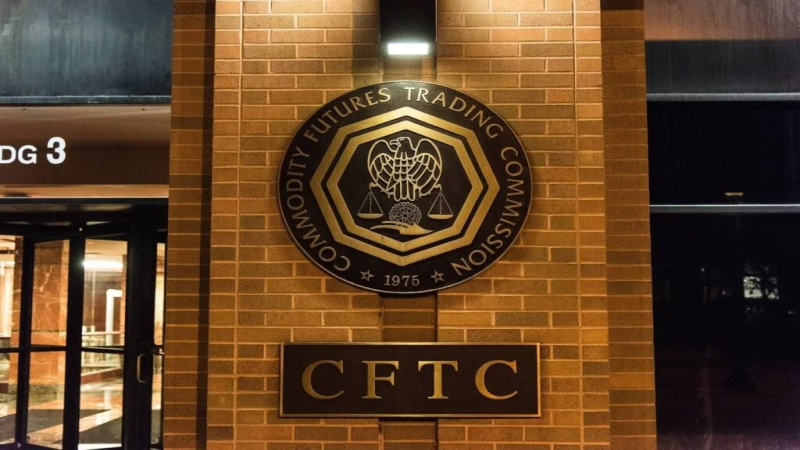
The U.S. derivatives regulator has entered a new phase following a leadership transition that places renewed focus on digital asset oversight and market structure reform. A new chairman has assumed control of the Commodity Futures Trading Commission at a time when congressional attention on crypto regulation remains high and institutional participation in digital markets continues to expand. The change follows the departure of the previous acting head, whose tenure was defined by a more proactive stance toward modernizing the agency’s approach to emerging technologies. The transition comes as lawmakers debate comprehensive frameworks for digital assets, positioning the regulator to play a central role in shaping how derivatives, crypto markets, and related products are supervised. Market participants are closely watching how leadership continuity and institutional experience will influence regulatory clarity and enforcement priorities in the months ahead.
The outgoing leadership leaves behind a regulatory landscape that has been significantly reshaped, particularly in relation to crypto market access and operational efficiency. Recent initiatives expanded the range of digital assets eligible for use within regulated market structures and introduced pilot programs aimed at integrating crypto activity into existing derivatives frameworks. These efforts were paired with broader internal reforms, including investments in automated market surveillance and operational restructuring designed to reduce costs and improve oversight capacity. The regulatory approach emphasized modernization while maintaining risk controls, reflecting a view that digital asset markets could be accommodated within established regulatory principles. For the industry, this period marked a shift away from purely enforcement driven engagement toward more structured experimentation under defined conditions.
The incoming chairman is expected to maintain a similar focus on innovation balanced with market integrity, drawing on experience across both regulatory agencies and the private sector. His background includes work on digital asset policy coordination and efforts to align oversight responsibilities across financial regulators, an area that remains critical as crypto products increasingly blur jurisdictional lines. Observers expect continued attention on derivatives tied to digital assets, stablecoin related market activity, and the interaction between federal agencies as new legislation advances. At the same time, the leadership change highlights how regulatory careers are increasingly intersecting with the private sector, as former officials take on roles within crypto and payments firms. For policymakers and analysts, the transition reinforces that U.S. crypto regulation is moving toward a more defined structure, even as debates continue over the appropriate balance between innovation, competition, and financial stability.