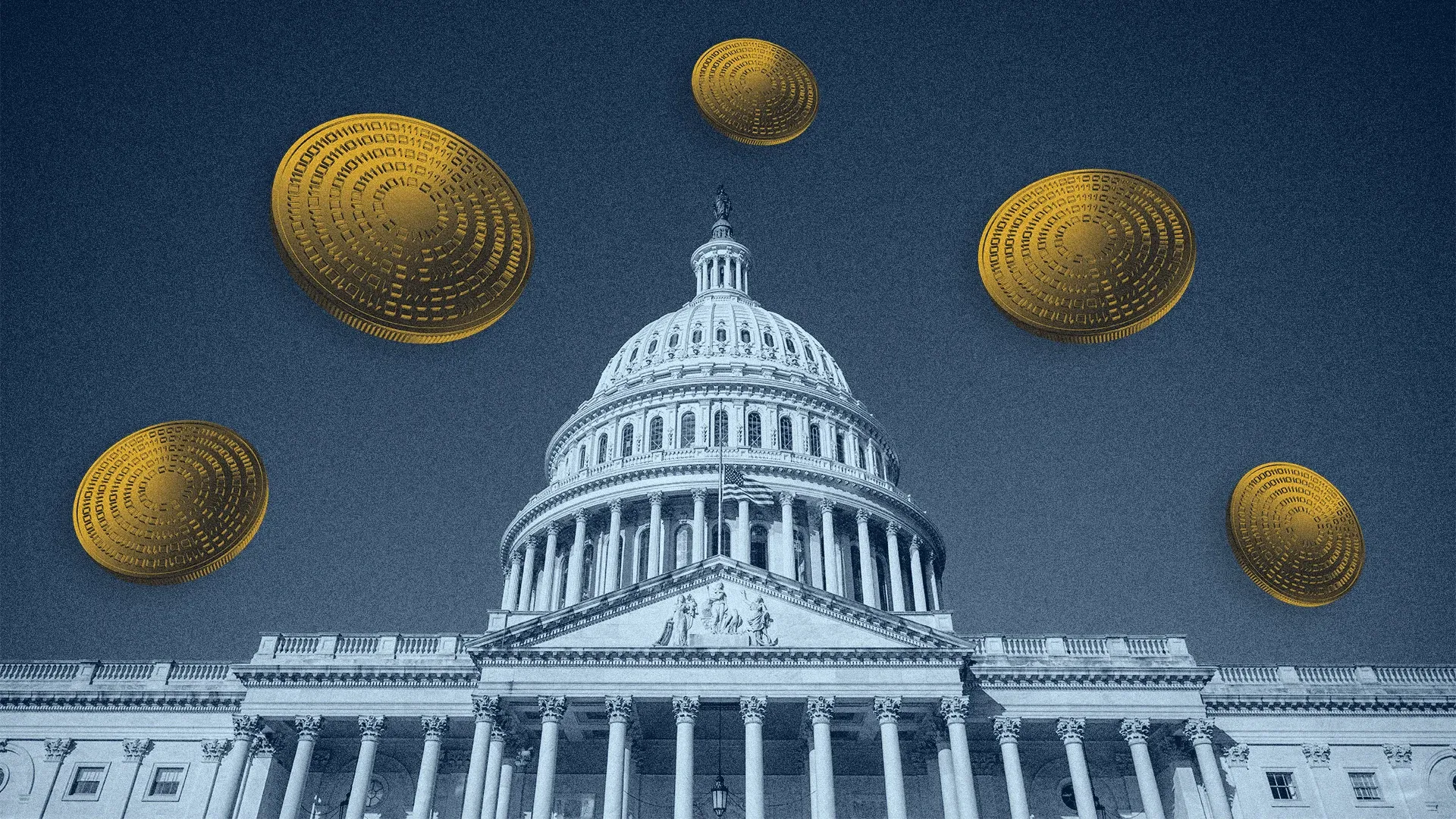
The stablecoin sector took a major step forward today as several leading issuers announced a unified set of enhanced transparency standards aimed at strengthening user trust and improving regulatory compliance. These new guidelines focus on reserve disclosures, real time auditing, and clearer reporting mechanisms designed to address long standing concerns about opacity in the stablecoin market. The move signals a shift toward higher accountability as stablecoins continue expanding into global payment systems and institutional finance.
As governments worldwide push for stronger regulation, issuers are responding proactively by adopting more rigorous practices. Today’s announcement marks one of the most coordinated efforts yet to bring clarity to how stablecoins are backed, managed, and monitored. Industry analysts believe these standards could influence future legislation while setting a new benchmark for financial transparency across digital asset ecosystems.
Unified reporting framework brings clarity to reserve composition
The core element of the new transparency initiative is the introduction of a standardized reporting framework that details exactly how stablecoin reserves are composed. Under the new guidelines, issuers will provide regular updates showing the distribution of cash, short term government securities, treasury holdings, and other reserve instruments. This level of granularity is intended to give users and regulators a clear understanding of what supports each stablecoin’s value.
The framework also requires issuers to categorize reserves by risk class and maturity period. This helps assess liquidity strength and overall risk exposure, ensuring stablecoins maintain sufficient backing even during turbulent market conditions. By moving toward unified reporting, the industry aims to eliminate inconsistencies that previously made it difficult to compare stablecoin issuers reliably.
Real time auditing becomes a new industry standard
A major advancement in today’s announcement is the inclusion of real time auditing systems powered by automated verification tools. Instead of relying on quarterly or monthly attestations, stablecoin issuers will provide continuous proof of reserves through blockchain integrated audit mechanisms. These systems allow independent auditors and regulators to verify backing in near real time.
This shift toward automated transparency aligns with regulators’ demand for more frequent oversight. Real time auditing reduces the risk of misreporting and strengthens public confidence, especially during periods of heightened market stress. For users holding stablecoins as a safe haven asset, these systems provide added reassurance that their funds are adequately supported at all times.
Enhanced regulatory cooperation aims to shape future policy
Today’s coordinated initiative also reflects closer cooperation between stablecoin issuers and regulatory bodies. Issuers plan to share standardized reports and audit data with policymakers to support the formation of clear, effective regulatory frameworks. This collaborative approach is intended to reduce uncertainty and build an environment where innovation and consumer protection can coexist.
Some jurisdictions are already exploring how these new standards can be integrated into upcoming stablecoin legislation. By aligning industry practices with regulatory expectations, issuers hope to ease the transition into more structured compliance requirements. Analysts believe this collaboration will accelerate mainstream stablecoin adoption by reducing policy barriers.
Transparency improvements boost institutional confidence
Institutional investors have played an increasingly important role in stablecoin markets, and today’s transparency announcement is expected to strengthen their confidence further. Hedge funds, payment processors, and corporate treasuries rely on stablecoins for liquidity management, settlement, and cross border transfers. Clearer reserve disclosures and real time audits provide the assurances institutions need when handling large volumes of digital assets.
The new standards may encourage more financial institutions to integrate stablecoins into their operations, expanding the role of digital dollars across global markets. As trust improves, stablecoins could see greater use in treasury operations, decentralized finance participation, and automated payment systems.
Market outlook for the transparency initiative
The introduction of these unified standards marks a turning point for the stablecoin industry. Over time, adherence to transparent, auditable, and consistent practices is expected to reduce systemic risks and stabilize market behaviour. However, the success of the initiative will depend on how consistently issuers implement the guidelines and how effectively they communicate updates to users.
If widely adopted, these standards could help establish stablecoins as one of the most trusted forms of digital currency. Increased transparency may also encourage more competitive innovation, as issuers strive to demonstrate operational excellence and regulatory alignment in a rapidly evolving financial environment.
Conclusion
Today’s announcement of enhanced transparency standards represents a significant milestone for the stablecoin sector. By adopting unified reporting, real time audits, and closer regulatory cooperation, issuers aim to strengthen trust and improve accountability across the industry. These changes position stablecoins for broader institutional adoption and long term growth in global digital finance.