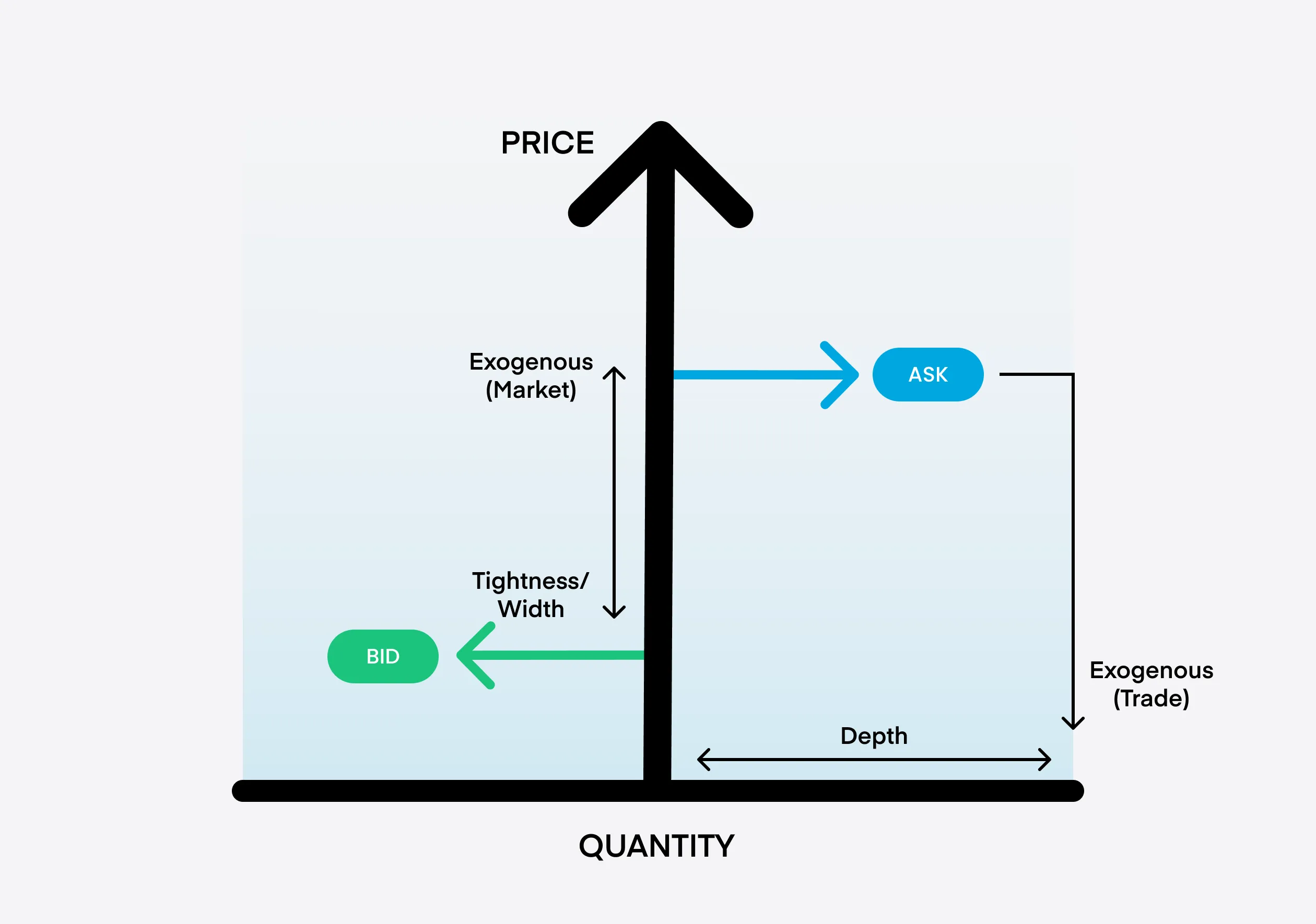
Market makers are strengthening liquidity depth across global trading platforms by relying more heavily on stable assets such as USDT. As digital markets expand and trading volumes fluctuate across regions, stablecoins have become critical tools for sustaining reliable order books and facilitating efficient market activity. Their predictable value and fast settlement capabilities allow market makers to manage positions with fewer risks and smoother execution.
This shift highlights how stability has become essential in high-speed digital environments. Market makers depend on consistent liquidity to maintain balanced spreads, support active order flows, and respond quickly to market events. With stable assets powering these operations, trading platforms experience stronger liquidity resilience during both calm and volatile market cycles.
Stable assets improve liquidity depth and support efficient execution
The most important driver behind the growing use of stable assets is their direct impact on liquidity quality. Stablecoins enable market makers to supply deeper order books without the volatility-related risks that come from holding rapidly fluctuating assets. This allows for more consistent buy and sell availability across trading pairs, improving overall market structure.
Stable-backed liquidity helps reduce price slippage during large or rapid trades, supporting smoother execution for all participants. Market makers can rebalance their positions more efficiently because stable assets maintain predictable value across transactions. As adoption expands, stablecoins play a central role in keeping digital markets active, organized, and liquid across global exchanges.
High-frequency strategies rely on stablecoin flexibility
High-frequency market makers depend on speed and precision, making stablecoins crucial for executing rapid strategies across multiple platforms. Stable assets allow them to move funds instantly and maintain liquidity routing without delays caused by banking transfers or volatile asset swings. This flexibility improves reaction time and enhances performance during fast market changes.
Stablecoins also support automated algorithms that rely on consistent liquidity to function correctly. These strategies require assets that remain stable during execution cycles to avoid unpredictable portfolio shifts. As more trading platforms adopt advanced algorithmic systems, stable assets become even more essential for maintaining efficient and reliable operations.
Stable-backed liquidity strengthens cross-exchange operations
Market makers often operate across several exchanges, and stablecoins simplify these multi-platform workflows. Instead of dealing with different currencies or volatile assets, stablecoins offer a unified settlement tool that can be moved rapidly between platforms. This consistency reduces operational complexity and ensures that liquidity remains available where it is needed most.
Cross-exchange arbitrage strategies, in particular, benefit from stablecoin liquidity. Market makers can capture price differences more efficiently because transfers settle quickly without conversion losses. This stability supports healthier market conditions by reducing price gaps and promoting better alignment across exchanges. Stable-backed liquidity has become a core component of these advanced trading operations.
Liquidity pools expand as decentralized markets grow
DeFi platforms are also influencing how market makers use stable assets. Liquidity pools based on stablecoins help maintain balanced swap rates, reduce impermanent loss, and offer more predictable returns for liquidity providers. Market makers leverage these pools to support decentralized trading routes and enhance liquidity availability across blockchain ecosystems.
Stable-backed pools attract more users because they offer smoother and more predictable trading conditions compared to pools built entirely on volatile assets. As decentralized markets grow, market makers rely on stablecoins to maintain deeper liquidity and ensure efficient asset movement. This integration strengthens both centralized and decentralized markets by creating reliable pathways for liquidity flow.
Conclusion
Market makers are enhancing liquidity depth through the expanded use of stable assets, improving efficiency, strengthening cross-exchange operations, supporting advanced strategies, and contributing to healthier market conditions. Stablecoins remain essential for building resilient and high-performing digital trading environments.