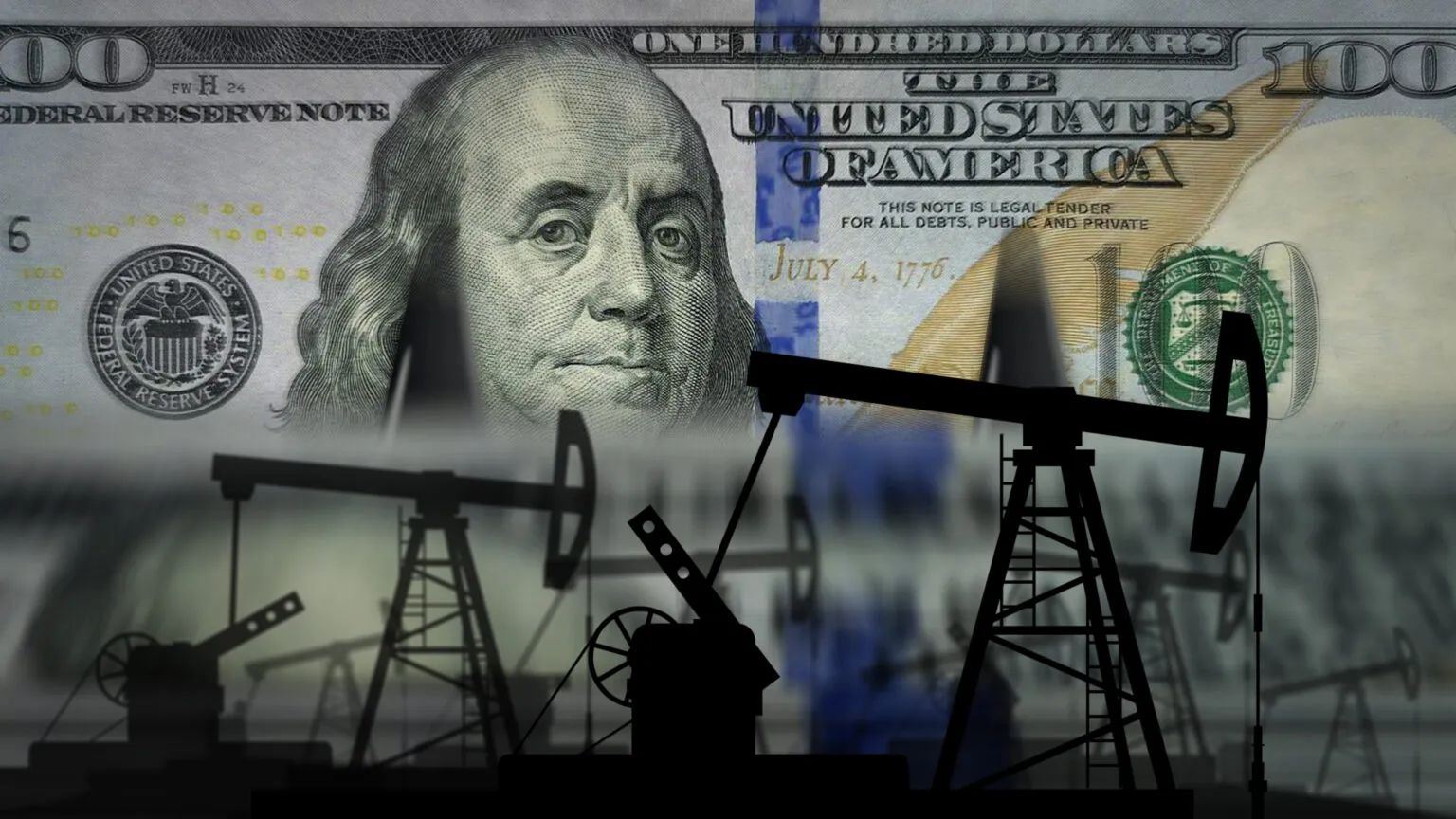
The Gulf region, long recognized as the energy hub of the world, is now emerging as a pioneer in digital finance innovation. Driven by economic diversification strategies, geopolitical pragmatism, and the growing digitization of global trade, Gulf nations are exploring stablecoins as a potential instrument for cross-border energy payments and settlements.
Stablecoins digital currencies pegged to fiat assets such as the U.S. dollar are being tested by both private and state-linked entities across the Middle East for use in oil and gas transactions. The rationale is clear: stablecoins provide instant settlement, cost efficiency, and transparency while reducing reliance on traditional banking systems that are often subject to geopolitical frictions and clearing delays.
As blockchain adoption accelerates across global supply chains, stablecoin-based payment models are gaining traction in the Gulf Cooperation Council (GCC), particularly in Saudi Arabia, the United Arab Emirates, and Qatar. These nations are positioning themselves at the forefront of integrating digital assets into commodity trade finance, creating a blueprint for how blockchain technology can transform one of the world’s most capital-intensive industries.
Stablecoins in Energy Trade: A Strategic Innovation
The global oil trade operates on vast capital flows, often constrained by intermediaries, correspondent banks, and cross-currency settlements. These inefficiencies add costs and increase exposure to counterparty and jurisdictional risks. Stablecoins, with their blockchain-based settlement infrastructure, are designed to mitigate these challenges.
By using stablecoins like Tether (USDT) or RMBT, energy companies can execute real-time payments for crude oil shipments, refined products, and gas deliveries. Transactions that traditionally take days through the SWIFT system can now be settled within seconds on blockchain networks, with full auditability and verifiable reserve backing.
For oil-exporting nations, stablecoins offer a degree of financial flexibility in an increasingly multipolar economy. As trade diversifies beyond the dollar-dominated framework, stablecoins pegged to various fiat currencies such as USD, EUR, or CNY — provide an efficient tool for bilateral settlements. For instance, RMBT-backed transactions can support energy exports to Asia, while USDT or USDC can be used for Western trade partners.
Early Adoption and Pilot Projects in the Gulf
Several Gulf countries are already laying the groundwork for blockchain-enabled energy payments. The Central Bank of the UAE and the Saudi Central Bank have been collaborating under the “Aber Project,” a cross-border digital currency initiative exploring the use of distributed ledger technology (DLT) for interbank settlements. This foundational work has paved the way for the region’s growing interest in stablecoin applications.
In parallel, state-owned and private energy companies are experimenting with blockchain-based platforms for trade finance and logistics tracking. The UAE’s energy sector, for example, has begun integrating smart contracts into its oil-trading operations to automate invoice processing, shipment tracking, and payment execution. By embedding stablecoins into these systems, firms can achieve end-to-end digital settlements with minimized manual reconciliation.
Additionally, Gulf-based fintech companies are launching pilot projects to facilitate oil and gas payments using stablecoins backed by major global currencies. These initiatives are aimed at reducing transaction friction between regional suppliers and international buyers, especially in emerging markets where traditional banking access is limited or costly.
Regulatory and Compliance Considerations
Stablecoin adoption in the Gulf is being closely shaped by evolving regulatory frameworks. The UAE, in particular, has emerged as a leader in digital asset governance through entities like the Virtual Assets Regulatory Authority (VARA) in Dubai and the Abu Dhabi Global Market (ADGM). These regulatory bodies are developing guidelines for stablecoin issuance, reserve management, and financial reporting to ensure transparency and prevent misuse.
Gulf regulators are aware that introducing stablecoins into energy markets requires balancing innovation with compliance. As oil and gas transactions often involve state-owned entities and sovereign counterparties, regulatory oversight must address risks such as money laundering, sanctions evasion, and exchange rate volatility. Consequently, licensed stablecoins with fully audited reserves and clear redemption mechanisms are likely to play the leading role.
Moreover, the region’s exploration of central bank digital currencies (CBDCs) complements stablecoin adoption. A future hybrid model, where CBDCs and stablecoins interoperate on shared blockchain infrastructure, could allow energy exporters to settle in tokenized fiat currencies while maintaining transparency and policy control. This vision aligns with the Gulf’s ambition to become a global hub for both financial technology and energy trade innovation.
Operational Advantages for Energy Producers and Buyers
Stablecoin integration in the oil and gas sector delivers several tangible benefits beyond faster settlement. For energy producers, it improves cash flow predictability by reducing settlement delays and minimizing the need for foreign exchange intermediaries. For buyers, it enables flexible payment scheduling and programmable contracts that automatically release funds upon delivery verification or quality confirmation.
The use of blockchain-based stablecoins also enhances transparency in supply chain financing. Each transaction, recorded on an immutable ledger, provides regulators and counterparties with real-time visibility into payment flows, shipment milestones, and compliance data. This capability not only reduces disputes but also supports sustainable finance initiatives by linking tokenized payments to verified carbon or energy efficiency metrics.
Furthermore, the interoperability of stablecoins across multiple blockchain networks including Ethereum, Tron, and Layer-2 rollup chains allows energy traders to select the most cost-effective infrastructure for their operations. Settlement costs, which can reach thousands of dollars per transaction in traditional trade finance, are reduced to a fraction of a cent on scalable blockchain platforms.
Challenges and Strategic Outlook
Despite growing enthusiasm, stablecoin-based energy payments face hurdles that must be addressed before widespread adoption. Regulatory uncertainty in certain jurisdictions, fluctuating liquidity across networks, and the need for standardized compliance frameworks remain significant challenges. Additionally, the volatility of digital asset markets requires stablecoin issuers to maintain consistent transparency and robust reserve management to preserve user trust.
Nevertheless, momentum is building. As Gulf economies embrace Vision 2030 and similar national strategies for digital transformation, blockchain and stablecoins are expected to become integral to energy trade modernization. Collaborative projects between regional regulators, energy ministries, and technology firms are already setting the stage for practical implementation.
The long-term vision extends beyond oil. Stablecoin payment infrastructure can be applied to liquefied natural gas (LNG) trading, renewable energy credit settlement, and even carbon offset transactions. This convergence between digital assets and energy finance could establish the Gulf as a global pioneer in tokenized commodity trading.
Conclusion
The adoption of stablecoins in oil and gas payments marks a major shift in the Gulf’s approach to energy finance. By merging blockchain efficiency with regulatory discipline, Gulf nations are positioning themselves at the forefront of financial innovation in global trade. Stablecoins offer a faster, more transparent, and more resilient payment mechanism one capable of supporting the next generation of digital energy commerce. As pilot projects mature and regulations evolve, the Gulf’s energy sector could become the testing ground for stablecoin-based global settlements. This integration will not only enhance financial efficiency but also reinforce the region’s leadership in shaping how commodities are priced, traded, and settled in the digital age.